

 Understanding Panic Attacks
Panic attacks are those sudden freak-out moments when fear floods your brain and body with such intensity, you almost feel like you’ve been hit by a freight train. These bouts of sheer panic often come with some pretty convincing physical symptoms that can trick you into thinking you’re facing a serious health crisis. They don’t stick around for long, usually wrapping up within about 10 to 20 minutes, leaving you wondering what the heck just happened (KidsHealth).
Definition of Panic Attacks
Picture this: you’re chillin’, and out of nowhere, wham! A wave of fear smacks you in the face, leaving you trembling, tingling, and your heart racing faster than a dragster. These are panic attacks, nasty bits of terror that elbow their way in with symptoms that might make you think you’re having a heart attack — rapid heartbeats, chest pain, and all (NIMH). When a panic attack hits, the feeling of “something awful is about to go down,” or that you’re about to lose your marbles, can be overpowering.
Symptoms of Panic Attacks
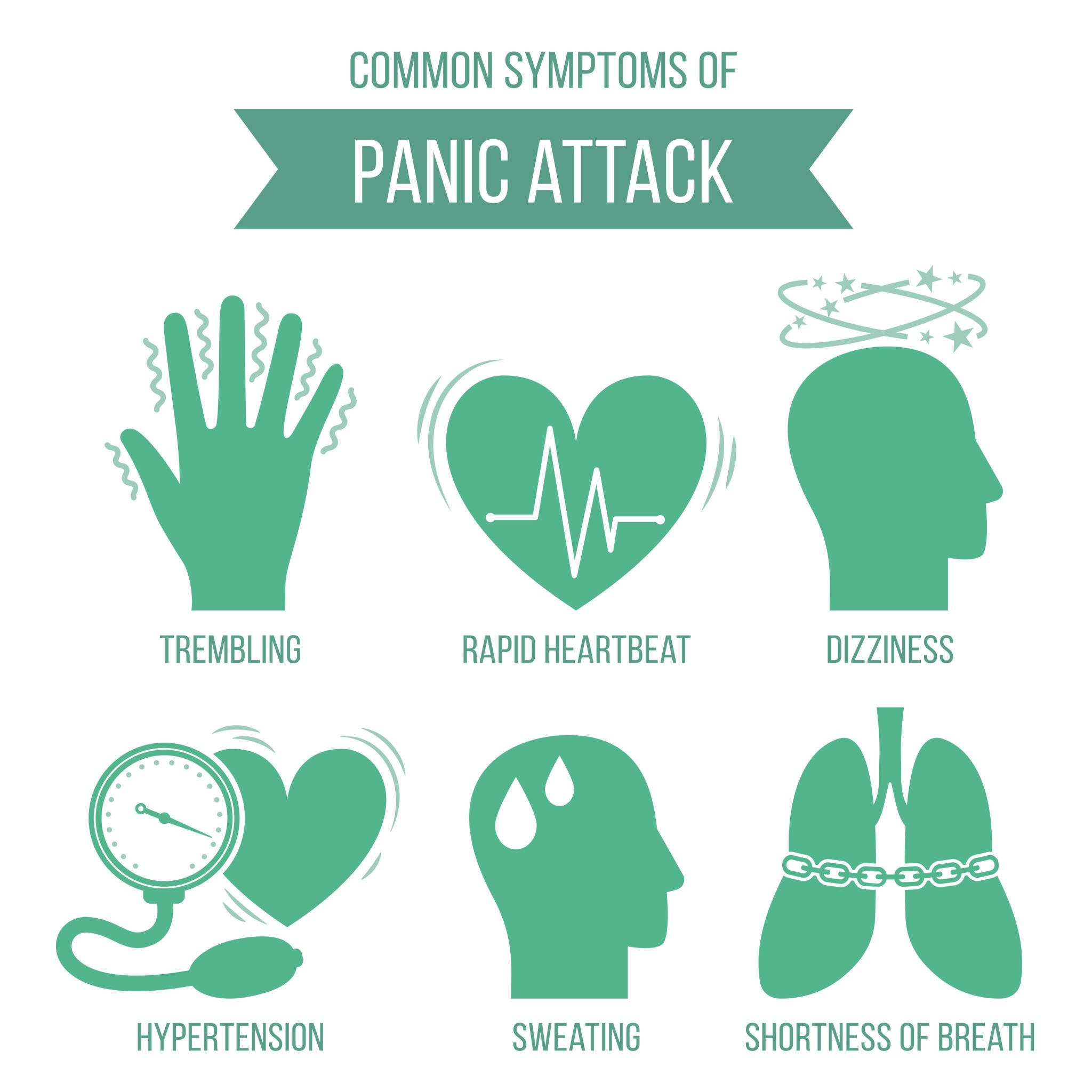
Here’s what’s often on the menu when a panic attack takes center stage:
- A heart doing the cha-cha
- That sense you’re gulping air and getting none
- Sweats and shakes like you’re in a sauna
- Upset tummy or spinning head
- Dizzy spells that make you feel like you’re in a tornado
Keep in mind, not everyone experiences these things the same way. It’s like a fingerprint—unique to the individual. Knowing these signs can help you distinguish between panic attacks and something more sinister, ensuring you get the right kind of help when it’s crunch time.
Though panic attacks are unsettling, they aren’t gonna take you out themselves. But, those intense symptoms—like being squeezed by chest pain or running out of air—can easily send someone into the ER, worried sick they’re in real danger (Transformations Network). If symptoms refuse to back off, it’s smart to get checked out—better safe than sorry.
Living with unchecked panic attacks can crank up inflammation in your bod, not exactly what the doctor ordered (The Recovery Village). Getting the lowdown on what panic attacks are all about—their signs and impact—is key to dealing with them and getting the support you need to ride them out.
Common Misconceptions
Let’s chat about something that’s too often misunderstood—panic attacks. People have ideas that are sometimes way off the mark, which doesn’t help anyone dealing with them. So, let’s set the record straight on a few myths about panic attacks and where they come from.
Panic Attacks vs Anxiety
Myth: Panic attacks are just fancy words for anxiety disorders.
Fact: They’re not the same thing at all. Sure, they can be buddies in crime, but panic attacks can happen without any anxiety on board. Picture panic attacks like outta-the-blue alarms that set off a wave of fear. They’re quick, intense, and you might not see them coming. On the other hand, anxiety is more like an annoying background noise that just keeps hanging around, making you uneasy without turning the sirens on.
Getting this right helps you figure out what’s what, and once you do, you can work out ways to handle them. It’s like sorting your grocery list—you’ve got to know what’s to be tossed and what’s to keep, so you make the best of it.
Fainting during Panic Attacks
Myth: Everyone faints during a panic attack.
Fact: Nope! Fainting’s pretty rare when you’re having a panic episode. If you keel over, chances are, it’s not because of the panic attack itself but something else going on health-wise. Panic attacks may have you sweating bullets with a racing ticker and feeling all sorts of dizzy. But if you pass out, it might be time to check in with your doc. It’s like finding a cat in a dog park—it’s unusual and worth a second look.
Getting the story straight on this can spare you some worries that should rightfully belong to other concerns.
Severity of Panic Attacks
Myth: Panic attacks are always a one-way ticket to the ER.
Fact: Panic attacks can be nasty, sure, but they’re not usually something that’ll punch your card permanently. That said, they do pile on stress and can mess with how your body ticks if they’re happening often. So, while they’re not deadly, they’re not something to shrug off if they keep showing up at your door. Think of them like smoke alarms—important warning signs you should heed to avoid bigger issues.
Clearing up this myth lets you focus on doing something about them—like finding helpful strategies or getting a pro to weigh in. Better to have a plan than to leave it all up to chance.
Understanding the myths vs. the realities of panic attacks is a big deal for spreading real info, cutting through the stigma, and making life smoother for people dealing with these episodes. Let’s bust those myths, share the facts, and give folks the tools they need to seek help, find coping mechanisms, and navigate through panic attacks with confidence.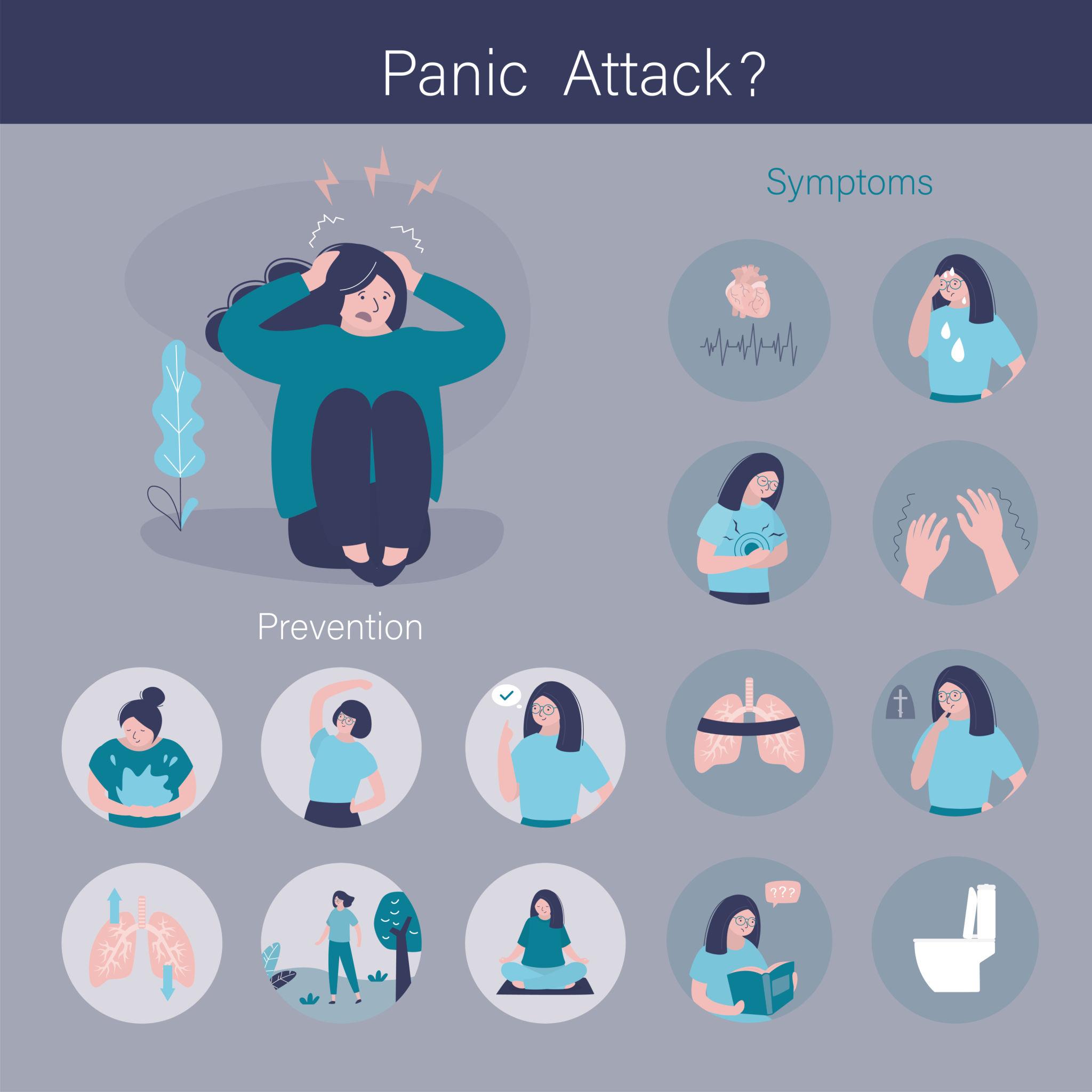
Triggers and Causes
Let’s talk about the stuff that can set off those oh-so-intense panic attacks. Figuring it out can be a game-changer when you’re trying to keep it together and get the right kind of help. Here’s the scoop on how stress, social situations, and a little too much relationship drama can send your anxiety through the roof.
Stress as a Trigger
You know stress, right? It’s one of the big players behind panic attacks. Work deadlines, never-ending school assignments, family drama, or health hiccups can really wind you up. The folks over at Banyan Treatment Center say taking care of yourself and finding smart ways to deal with stress can really calm those jittery nerves and keep panic at bay.
Financial woes can also turn your world upside down, adding extra layers of anxiety. Debt and the pressure to make ends meet can easily spiral into panic territory. Getting a handle on your finances with a little professional help and setting up a sensible budget might ease that pressure cooker feeling.
Social Events as Triggers
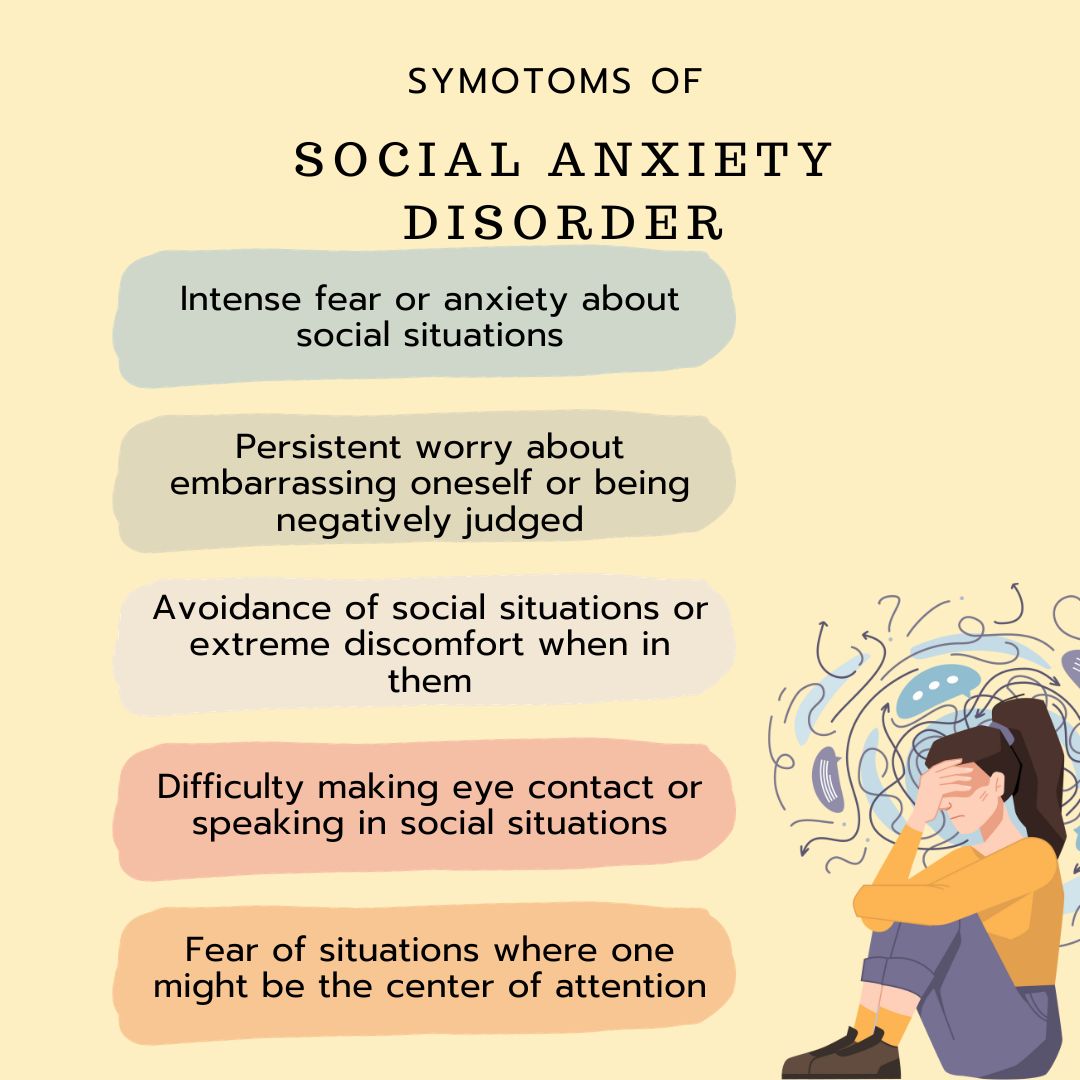
Ah, social events. They can be a minefield, especially when you’re not a fan of big groups or loud noise. For someone with social anxiety disorder, the party can quickly turn into a panic zone. It’s all about learning some tricks—like deep breathing or grounding techniques—and maybe bringing along a buddy who gets you.
Relationship Conflicts
And then there’s relationship drama. Arguments and unspoken tensions can mess with your head and trigger panic attacks. When you feel like you’re stuck in a soap opera, therapy might be a solid way to smooth things out and work on communication skills.
Knowing how stress, social events, and relationship tensions can spark panic attacks is half the battle. Spotting these triggers means you can start planning how to handle them like a pro. With some targeted coping strategies, you can take charge of your mental health and find your way to some peace of mind.
Addressing Myths
Clearing up the mumbo jumbo about panic attack triggers is key to giving folks the right scoop and clarity on what panic attacks actually are. Let’s take a peek at three common myths that need busting:
Misconception 1
Panic Attacks vs Anxiety
Alright, here’s the deal—some folks mix up panic attacks with general anxiety. They ain’t the same thing. Anxiety’s like a nagging worry that doesn’t leave, while a panic attack is like BAM—a sudden burst of terror that hits hard and fast. You can get a panic attack even without an anxiety disorder, and yes, those surprises can hit even if you never had the anxious jitters before. Getting this straight helps spot panic triggers better.
Misconception 2
Fainting during Panic Attacks
A lotta people think passing out is what goes down during a panic attack. Truth is, fainting ain’t usually part of the panic attack package. Most of the time, it means something else is up health-wise. Panic attacks bring loads of spooky symptoms, kinda like what happens in a heart scare. Knowing what’s typical during an attack helps you suss out what’s what.
Misconception 3
Severity of Panic Attacks
Some believe panic attacks are outright deadly. Nope, they’re super uncomfortable but not out to end anybody. A crazy rush of feelings and symptoms hits, but it’s rarely a life-threatening mess. They can last a short spurt or hang around for a bit but won’t kill ya. Still, they can mess with your health in other ways, upping body inflammation if left alone. Grasping how heavy they can get helps in figuring out how to tackle or deal with them.
Breaking down these false ideas and sharing the real scoop on panic attacks and what sets them off can help folks understand and fight these episodes better. For ways to handle panic attacks and more myth-bustin’, check out our guide on what causes panic attacks: a complete guide.
Coping Strategies
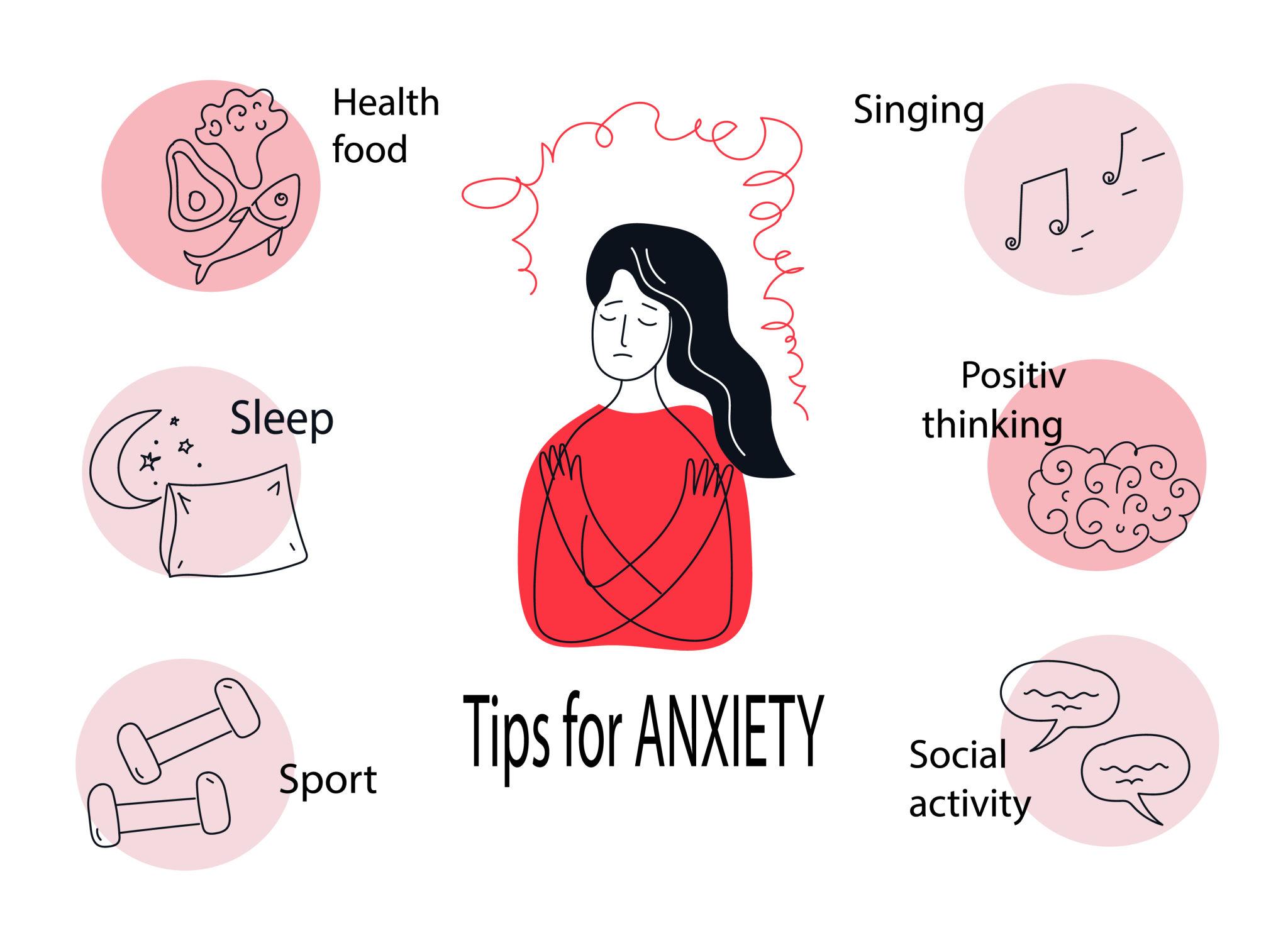
When dealing with the chaos of panic attacks, weaving some practical coping tricks into your daily life can be a game-changer. In this chat, I’ll break down some hacks to help you keep panic attacks at bay: breathing hacks, lifestyle tweaks, and why having a circle’s a lifesaver.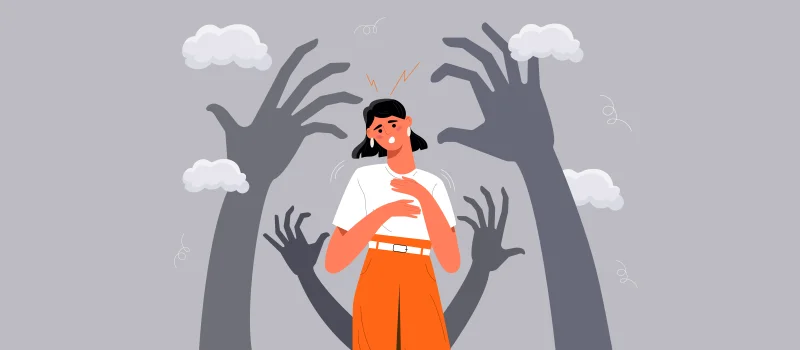
Breathing Techniques
When the anxiety rollercoaster kicks off, deep breathing’s your secret weapon to keep things chill. Imagine deep breaths as little mental breaks during panic mode, distracting both mind and body from spiraling further. Slowly take a gulp of air, then let it out—nice and easy—and watch how it tames the wildness of a panic episode.
Practicing these techniques regularly, not just when panicking, gets you in the groove so you’re ready when the anxiety wolf knocks at your door. Make those chill-breath moments a part of your regular day, and you’ll have a pocket-sized tool for when anxiety pops by uninvited.
Hungry for more breathing secrets? Dive into our guide on breathing tricks to kick panic attacks to the curb.
Lifestyle Changes
Shake things up a bit with some life swaps, and you’ll find panic has fewer reasons to bother you. Give caffeine and booze a pass; they’re known to knock on panic’s door uninvited. Instead, fill your downtime with soul-soothing activities like yoga, meditation, or just a brisk jog around the block. They work wonders on the stress meter and keep anxiety in check.
Getting your sleep game on point is another piece of the puzzle. Set a bedtime schedule that’s as reliable as the sunrise, and create a wind-down routine that’ll trick your brain into relaxation mode. A rested mind is your best buddy when facing the anxiety gremlins.
Curious about more life tweaks to zap panic? Have a look at our tips on top supplements to chill out stress and wave goodbye to panic.
Support Groups and Therapy
Finding your tribe—folks who’ve been in the panic trenches—is like having a lifeline when stormy waves hit. Support groups offer a cozy corner to offload your fears, grab some motivation, and pick up battle-tested tactics from others who’ve been there and done that. It’s about knowing you’re not alone, there’s a community out there sharing the same battle scars.
Therapists, whether you’re going solo or joining a group sesh, arm you with tools to fight the panic nemesis. Therapy can help you spot triggers, switch up those nasty thought loops, and build a fortress of resilience against anxiety.
Not into in-person therapy? Don’t sweat it! Check out our list of the best online therapy spots for tackling panic. Whatever path you choose, remember that opening up to support or a therapist could be the secret sauce to tackling those anxiety dramas and finding your emotional zen in the long run.
Looking for Support
Understanding when to reach out for help with panic attacks means figuring out how to spot the signs, knowing when to call in the pros, and dealing with emergencies fast.
Spotting the Signs
Panic attacks can feel like a freight train hitting out of nowhere, with no clear reason. People often worry another panic attack is lurking just around the corner (NIMH). Now, they might feel like a scare, but panic attacks aren’t gonna take you out. Usually, they hit for 15 seconds to about half an hour, throwing out symptoms that can seem like a heart attack. Letting panic attacks run wild without help can crank up inflammation in the body, messing around with your overall health (The Recovery Village). Parents and caregivers, keep an eye out for signs in kids too (KidsHealth).
Talking to the Doc
When those panic-like symptoms keep popping up, having a chat with your doctor’s a smart move, just to make sure things like diabetes or hyperthyroidism aren’t secretly stirring the pot. Nabbing these issues early can tone down those symptoms that feel like panic but aren’t (Better Health Victoria). When you’re not sure if what you’re feeling is a panic attack or something else, it’s always good to check in with a professional. In more urgent times, hitting up emergency services by dialing triple zero (000) should be on the menu (Better Health Victoria).
Handling Emergencies
While panic attacks aren’t lethal, sometimes symptoms like chest pain, struggling for air, or feeling squeezed can scream med emergency. If these linger even after things calm down, better get to a doc ASAP to ensure nothing serious is hiding out.
Catching symptoms, knowing when to get advice, and reacting in emergencies is all part of team panic attack management. Remember, taking care of yourself and finding the right support is what really matters when you’re dealing with symptoms of panic.