Panic attacks are like those surprise, unwelcome guests; they pop up out of nowhere, stir up chaos, and leave you rattled. They’re brief yet intense moments where anxiety hits you like a ton of bricks, and your body reacts as if you’re facing an actual threat. Trust me, I’ve been there. Up to 35% of folks might find themselves dealing with one at some point, so if you’ve ever felt this, you’re definitely not alone.
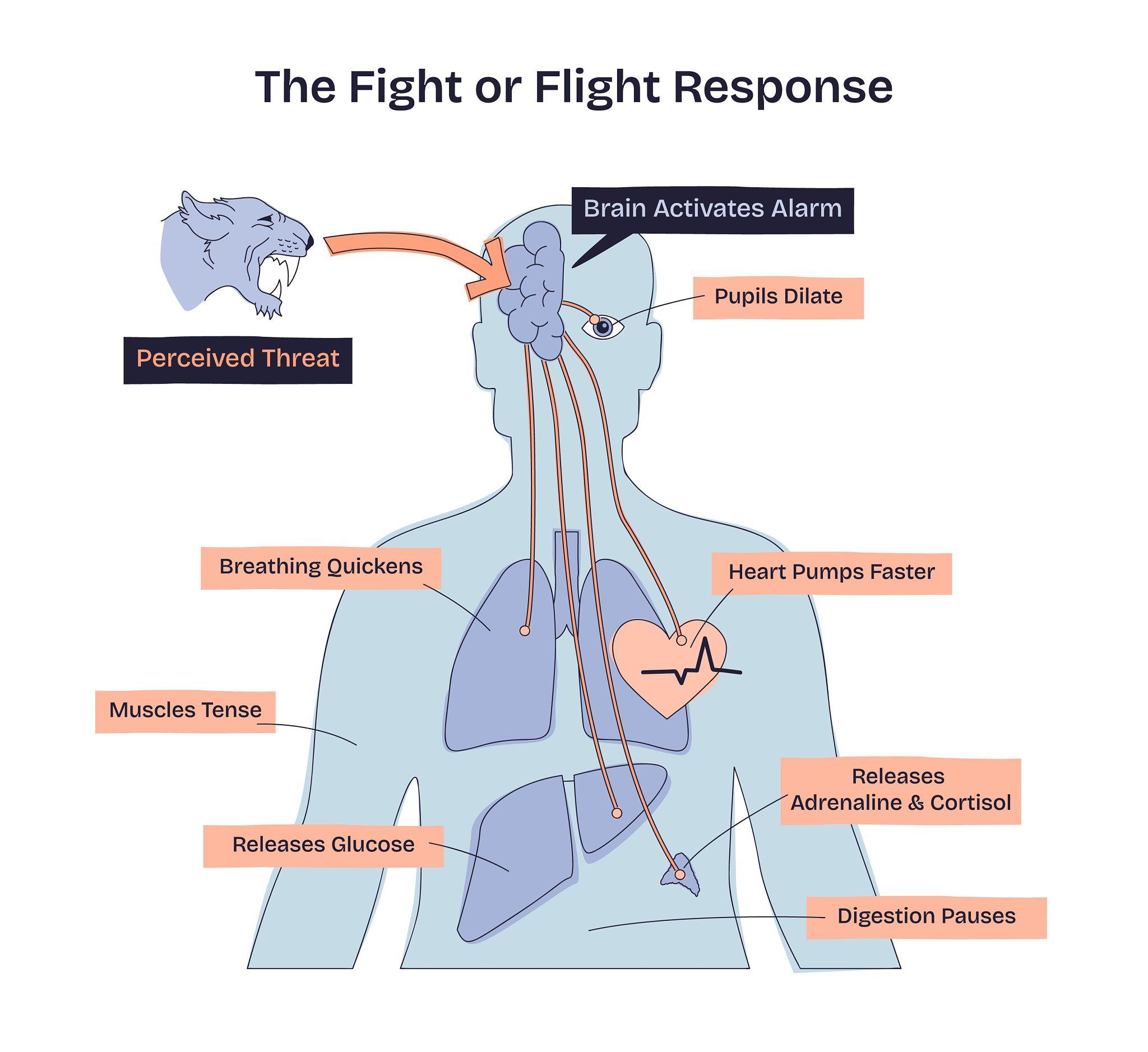
These attacks can catch you off guard, kinda like getting splashed with water at a theme park – sudden and unexpected. But then our brains start associating them with certain scenarios. It’s all about our ancient fight-or-flight instincts kicking in, thinking there’s danger around when there’s not.
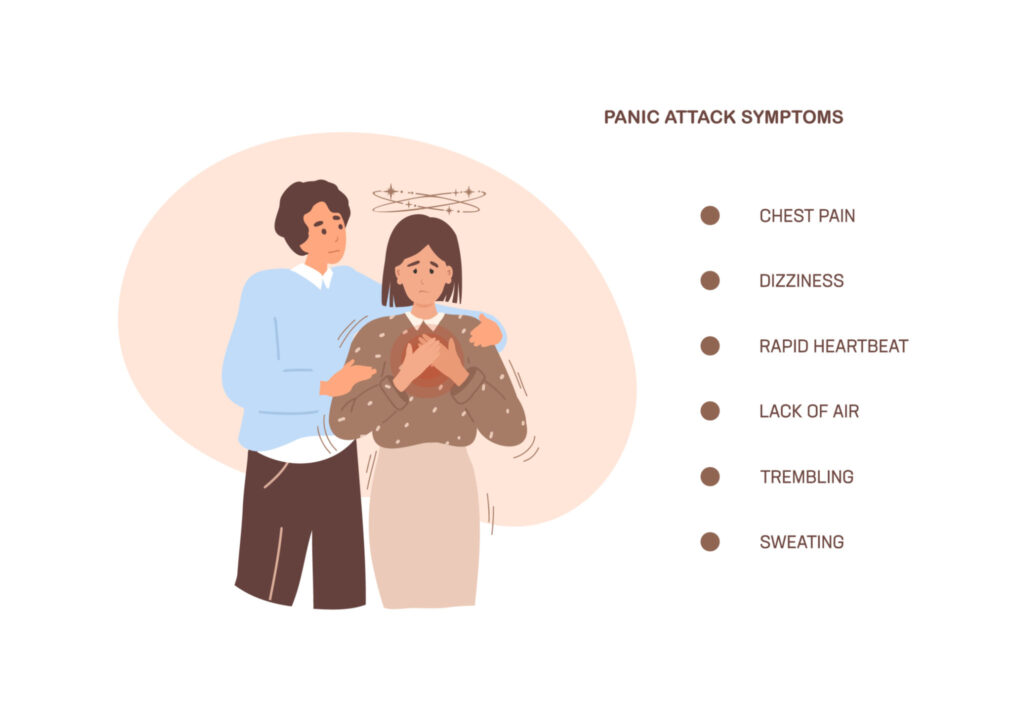
You’ll likely feel a rush of symptoms that peak in about 10 minutes and then fade away. Here’s what you might notice:
Gasping for air or feeling like you’re breathing through a straw
Heart racing like you’re on a roller coaster
Sweating like you’re in a sauna
Shaking like a leaf in the wind
Your chest feels funny, like something’s sitting on it
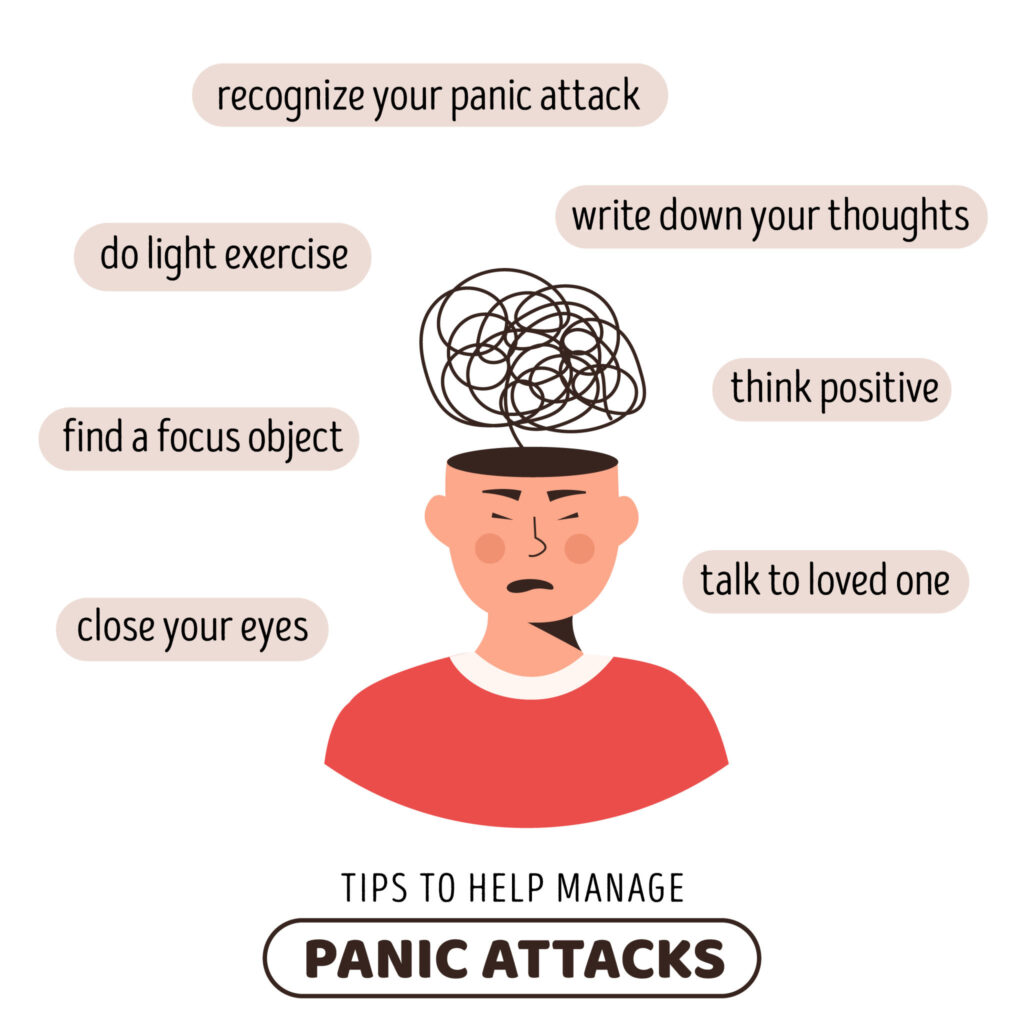
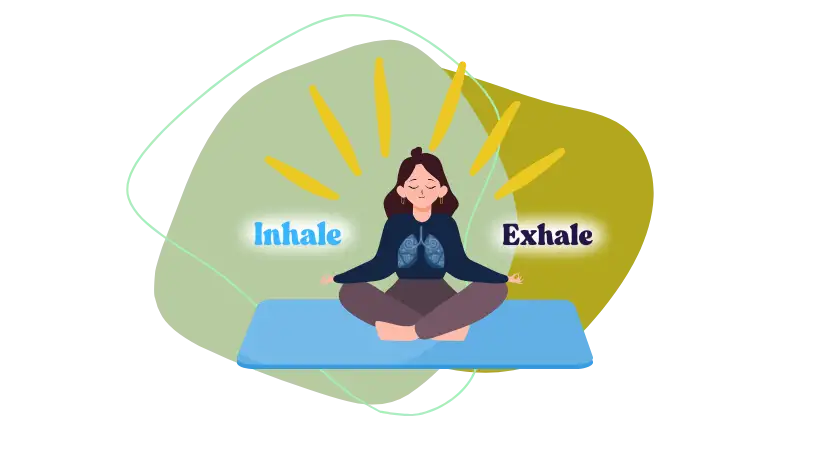
And emotionally, it can feel like sheer terror, or like you’re losing your grip on reality. When it comes to managing these feelings, give deep breathing a whirl. It can help calm the storm inside by getting your breathing back on track during an attack. I’ve tried it, and it kind of brings a sense of calm amidst the chaos.
Some folks also find relief from unexpected sources, like lavender oil. It’s shown to help reduce stress levels, especially if you’ve got those dental chair jitters. Doesn’t hurt to try as another trick up your sleeve.
Getting a grip on what happens to your body and mind during these episodes is a crucial step towards managing them. By spotting the signs early and practicing control techniques, you can tackle panic attacks with more grit and confidence.
Causes of Panic Attacks
Let’s get to the heart of panic attacks and why they hit us like a bolt from the blue. Knowing what sets them off is like having a compass in your back pocket. These unnerving episodes can stem from your body’s quirks, stress from the outside world, and the choices we make every day.
Biological Triggers
Now, let’s chat bio codes. Our ancient survival instinct, the fight-or-flight response, can sometimes misfire and set off panic attacks (Mayo Clinic). Even though the blueprint of these attacks is a bit fuzzy, this jittery alarm system seems to play a big part.
Environmental Triggers
Life’s curveballs don’t help either. Stress from things like family spats or losing a job can tip the scales, especially if you tend to panic easily. These stress-bombs can make the panic beast rear its head in no time, which goes to show just how deeply our surroundings mess with our minds.
Behavioral Triggers
Choices, choices, choices. What we do and put into our bodies can play sneak havoc. Panic can feel like an unwelcome guest, showing up as a sidekick to health issues, or after some meds, booze, or way too much coffee. Knowing how these mix with our own wiring is gold when trying to dodge that panic bullet.
Once you figure out what sets your alarm bells off, you can start vetting your strategies. Whether talking with someone who’s got the cheat codes or uncovering therapeutic paths, you’re not going it alone. Building up your self-awareness is like crafting your own manual to face panic headfirst and give it the boot for better mental health.
Effects on Mental Health
Worsening of Panic Symptoms: Life isn’t always sunshine and rainbows, and stress from family squabbles or job hassles can make panic symptoms get a lot worse. This is especially true if you’re already dealing with Panic Disorder or Agoraphobia.
Relationship with Mental Disorders: There’s something to be said about the link between stress and mental health issues. Financial woes or rocky relationships can be the straw that breaks the camel’s back, sending someone spiraling into Panic Disorder or Agoraphobia.
Getting to grips with how stress can latch onto both physical and mental health really highlights why keeping stress in check matters. Stress isn’t just an annoying itch to scratch—it’s the kind of thing that can grow into full-blown panic attacks if ignored. Spotting stress signals and giving yourself a bit of TLC can be the difference between feeling alright and being overwhelmed, a little preventive care for your overall health and peace of mind.
Seeking Help for Panic Attacks
Ever felt like your mind’s playing an unwanted game of “Guess the Disaster”? Panic attacks can feel like that and getting expert help can be a game-changer. It’s like having a compass in this storm. Here, I’ll chat about why professional help matters and peek into some treatment options that could ease the ride.
Importance of Professional Guidance
When panic attacks hit you out of nowhere, knowing there’s a pro who gets it can be a life raft. They untangle the mess of panic disorder and offer strategies that help. Everyone’s got their unique set of triggers and symptoms, and a therapist, counselor, or psychiatrist crafts a plan just for you, like a personal trainer for your mind.
These sessions are safe spaces where you can spill your fears without a filter. You learn how to navigate those panic feelings, gain resilience, and understand your triggers better. Plus, they offer a non-judgy, supportive zone, making you feel heard and less alone on this turbulent ride. It’s about boosting hope and confidence, putting some wind back in your sails.
Medication and Therapy Options
So, when it comes to tackling panic disorders, meds and therapy are your Batman and Robin. Doctors might hand over prescriptions for some superhero drugs like SSRIs, SNRIs, beta-blockers, or benzodiazepines to tackle the chaos (NIMH).
SSRI and SNRI Antidepressants: These aren’t your mom’s little helpers but they do a good job balancing brain chemicals, dialing down the anxiety and panic.
Beta-Blockers: They take on the sweaty palms and racing heartbeat, helping you feel a bit more human and less like you just ran a marathon.
Benzodiazepines: Fast and furious in panic relief, but need to be approached cautiously.
Therapy, especially cognitive behavioral therapy (CBT), provides a toolkit for untangling the web of anxiety. It’s like reprogramming your brain to respond differently to those pesky panic triggers, giving you the power to lessen those panic tsunamis.
Deciding your path—be it meds, therapy, or a combo of both—takes some time and consideration about what feels right for you and the severity of your symptoms. Having expert advice on hand can make all the difference.
Acknowledging you need help and seeking it shows immense bravery. It’s a step forward in reclaiming your mental health, gearing up for smoother sailing, and shining a light on your future. You’ve got this, warrior!
Prevention and Long-Term Care
Being proactive about avoiding panic attacks and finding long-lasting ways to cope with stress can really make life better for people dealing with anxiety brought on by stress. Here, I’ll share some ways to change up your daily life, lean on friends and family, and take care of yourself, all of which can help keep stress in check and lessen panic attacks.
Lifestyle Adjustments
Juggling a few lifestyle changes can be your frontline defense against stress and those terrible panic attacks. You know, getting your body moving regularly, eating right, and catching enough Zs are game-changers. Stress is no friend—it’s like a pesky roommate that messes with your mood, messes up your body’s defenses, and makes you feel all stiff and sore. If you’re curious, check out Healthline for more info.
Also, try to dodge those panic triggers like big, nerve-wracking moments. A lot of research says that heavy-duty stress can ramp up panic symptoms, which just goes to show how important it is to keep stress in check every day. More deets on that over at PubMed Central.
Support Systems
Having a squad to lean on can save you from feeling lost in a sea of stress. It’s like a warm blanket on a cold, rainy day when you’re surrounded by folks who genuinely get what you’re going through. Whether through a heart-to-heart with a pal, a therapist, or joining an online group, feeling like you’re part of something bigger helps cut down on that “I’m-all-alone-in-this” vibe.
A solid support system helps you fight the emotional whirlpool panic attacks cause and teaches nifty ways to handle stress. Chatting with professionals and swapping stories with others in the same boat can light a path to feeling more in control and fired up to tackle challenges head-on.
Self-Care Practices
Taking the time for self-care isn’t just a luxury—it’s vital for your mind and soul. Activities like mindfulness meditation, keeping a journal, or just tuning out the world for a bit can ease stress and bring in some much-needed peace. When you put yourself first, it’s like giving your energy a much-needed top-up and figuring out better ways to handle life’s stress bombs.
Throw in some breathing exercises and grounding tricks, and you’ll have a toolkit ready to calm those anxiety jitters and keep panic attacks at bay. Sticking these routines into your daily grind makes you better at dodging stress and bolstering yourself against life’s bumps.
With some lifestyle tweaks, a tight-knit support circle, and a whole lot of self-care, you’ll have a well-rounded game plan to keep stress from taking over and panic attacks at a distance. Consistently applying these methods and not hesitating to call in the experts when things get rocky can give you the power to handle stress-induced anxiety like a champ and boost how you live your life.
Panic attacks can hit like a bolt out the blue, leaving folks feeling all sorts of emotions—from straight-up fear to just plain confusion. Everyone, no matter their age, gender, or background, can feel the brunt of these episodes. Focusing on comprehensive ways to support those grappling with them can sure make a big difference.
Panic attacks do not discriminate. Yet some folks might find themselves more in the thick of it, like people grappling with mental health issues, young adults stressed about their future, and caregivers juggling too many plates.
Underlying Mental Health Conditions: If you’ve already got anxiety issues or past traumas, panic attacks might hit you harder. So it makes sense to tackle the panic while keeping an eye on the bigger picture of overall mental health.
Young Adults: Being a young adult can be like riding a rollercoaster. With the pressures of school, work, and figuring out life, panic attacks can creep in. Teaching them the tools to deal with stress can help keep panic at bay.
Caregivers: Caregivers, whether they’re looking after kids, elderly parents, or anyone with health troubles, often wear a stress-heavy cloak. They could use some special strategies to handle panic without dropping their caregiving duties.
Addressing Panic Attacks Holistically
Thinking of panic attacks in a well-rounded way means not just dealing with the now but also setting up fixed strategies to protect yourself down the road.
Take, for example, the Yescool Premium Weighted Blanket. This gem is like a hug in a blanket—ideal for relieving anxiety (Elite Anxiety Solutions). It’s crafted to give a sense of calm with deep pressure therapy, helping folks feel more grounded during those rough panic storms. And with customizable weight and size plus premium glass beads for even weight distribution, you’re looking at one soothing cloak of comfort.
Having a toolbox of anxiety-busting items on hand is like a first-aid kit for our minds. Experts who have seen panic attacks play out in emergencies constantly pin this approach as super effective (Elite Anxiety Solutions).
Supporting those struggling with panic attacks means diving into what makes each person’s situation unique and meeting them there. By combining immediate panic strategies with solid prevention steps, anyone facing these episodes can push through with more strength and confidence.
Top Anxiety Management Tools
When it comes to wrangling anxiety, having the right gear can help you feel like you’ve got things under control. In 2025, a bunch of cool gadgets are here to help you chill and say goodbye to stress. Let me spill the beans on some anxiety-busting tools everyone’s raving about this year:
Yescool Premium Weighted Blanket
Ever heard of deep pressure therapy? Well, the Yescool Premium Weighted Blanket is your new best buddy. It’s like getting a hug from a cozy cloud, perfect for those panicky moments. You get to pick the weight that suits you best, so it’s a snug fit. Loaded with glass beads for that even touch, and yeah, it’s breathable too! Perfect if you’re longing for some comfort when anxiety creeps in.
Apple AirPods Pro 2 Wireless Earbuds
Looking to escape into your own little peaceful world? The Apple AirPods Pro 2 Wireless Earbuds are your ticket. They’ve got some serious noise-canceling powers, drowning out the chaos around you so you can vibe to your favorite tunes or calming sounds. They’re tiny, super handy for when you’re out and about, and perfect for a bit of personal zen time amidst the madness.
Meross Smart WiFi Essential Oil Diffuser
Ahhh, aromatherapy… it’s like a warm welcome home for your nerves. The Meross Smart WiFi Essential Oil Diffuser is a game-changer here! Kick back and relax with a whiff of lavender or eucalyptus, all without lifting a finger—thanks to app and voice control. Plus, dimmable lights and longer aroma time means you’re all set for some serious chill sessions.
LC-dolida Sleep Mask with Bluetooth Headphones
Sleep troubles keeping you up at night? The LC-dolida Sleep Mask with Bluetooth Headphones might be your sleep savior. It’s a nifty eye cover that blocks light while serenading you with sleep-inducing tunes. It fits like a charm with its 3D design and hooks up flawlessly with Bluetooth. The battery lasts forever, and you can even wash it—what’s not to love?
By blending these anxiety-taming tools into your daily antics, you’re setting the stage for a more peaceful vibe. Whether you wanna snuggle up with a weighty blanket, tune out with some cool earbuds, refresh with aromatic scents, or shut-eye with a sound and light-blocking mask, these goodies have got your back on the quest for anxiety relief.
Leveraging Technology for Anxiety Relief
When it comes to taming those worry monsters, who knew tech gadgets could be your new best buddy? Whether it’s a wearable device or a “smart” thing at home, technology’s got some nifty tricks up its sleeve for calming those nerves.
Utilizing Wearable Devices
Picture this: a gadget on your wrist that’s not just telling time. Wearables, like the Apple Watch Series 10, have become little lifesavers (okay, not literally) for easing anxiety. Think of them as your mini doc on standby. Highlighted by the folks at Elite Anxiety Solutions, this watch isn’t just about catching texts; it’s about catching those sneaky heart rate spikes that might mean anxiety’s creeping up. Get an alert, take a breather, and boom—you’re back in control.
These devices aren’t just fancy; they’re smart. With heart rate checks and emergency SOS features, they’re like having a buddy keeping tabs on you, making sure you handle stress before it handles you.
Incorporating Smart Home Solutions
Now, let’s talk about bringing peace right into your living room (literally). Smart home gadgets are like creating a sanctuary where your phone and lights conspire to chill you out. With tech becoming such a big deal in our lives, smart homes are here to make sure your pad is more zen than chaos.
As we inch towards 2025, tech and mental health are likely to dance even closer, waving goodbye to the old ways, as noted by Pew Research. This means our homes could soon feel like they’re lit with mood magic, keeping stress out the front door.
Imagine setting your home to dim the lights, play soothing tunes, or even run a quick mindfulness exercise—all without lifting a finger. It’s like having a spa, but without the creepy whispers of strangers.
Riding the wave of smart tech for stress relief isn’t just about fancy tools; it’s about crafting your own peace haven. With a bit of digital help, you can face anxiety head-on, with gadgets whispering affirmations and showing you the path to tranquility.
Medicare Changes for Mental Health
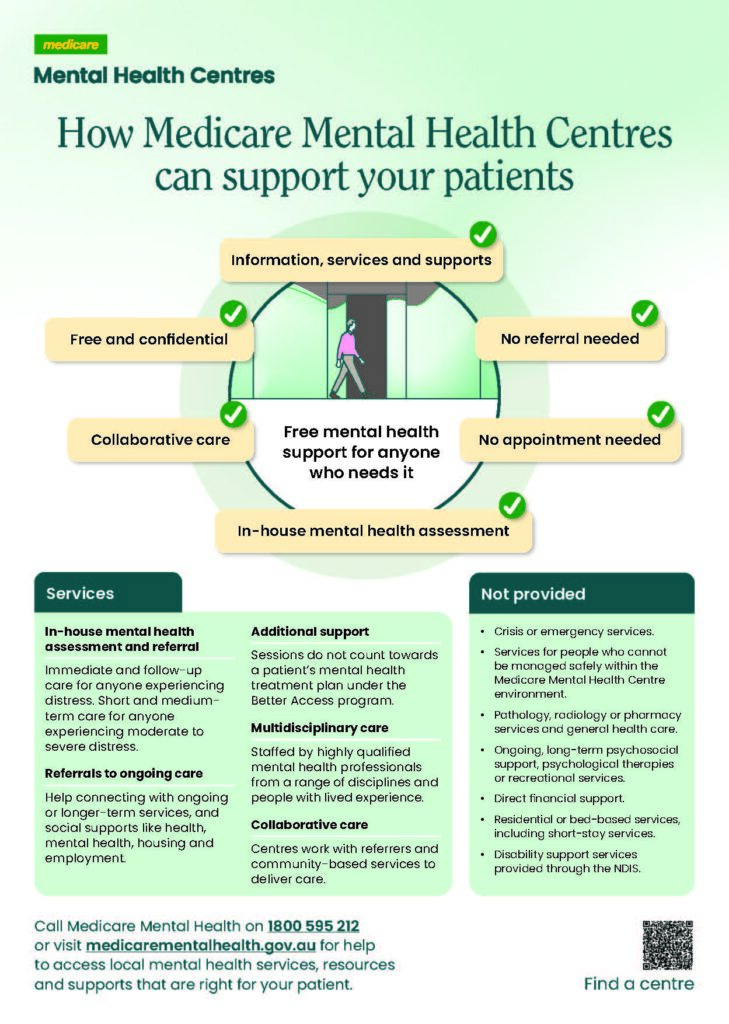
The world of mental health care is shaking things up, and Medicare’s jumping on the bandwagon with some fresh upgrades to make mental health resources easier to grab. We’re talking big moves towards getting therapists in your corner and rolling out more places for outpatient care.
Enabling Access to Therapists
Here’s the scoop: Medicare’s letting Marriage and Family Therapists and Mental Health Counselors into the game as providers. Now, over 400,000 of these pros can step up to the plate and give treatment to folks covered by Medicare without jumping through a million hoops.
These therapists are the MVPs when it comes to helping people face off with mental health issues like anxiety and panic. With more therapists on the Medicare roster, folks have a better shot at getting the support they need to tackle their mental battles.
Introducing Outpatient Behavioral Health Facilities
Next up, Medicare’s on a mission to make sure Medicare Advantage plans have a good mix of Outpatient Behavioral Health setups. Think Marriage and Family Therapists, Mental Health Counselors, Opioid Treatment Providers – the works. All there to throw their hat in the ring for therapy and substance use treatment (CMS.gov).
This plan is all about giving people more options outside the typical hospital walls. It’s about making sure there’s a whole crew of mental health experts ready to dive into comprehensive care, so folks don’t have to walk alone in dealing with their mental health needs.
On top of that, Medicare is putting the finishing touches on payment setups for intensive outpatient programs. We’re talking setups in hospital outpatient departments, Community Mental Health Clinics, and other places. These programs are for patients who need more than a quick chat but might not be ready for a hospital stay. It’s a game-changer, offering a spectrum of care for those needing serious mental health support (CMS.gov).
These changes in mental health care through Medicare are a breath of fresh air, aiming to boost accessibility for those tackling mental health issues. It’s a step in the right direction, ensuring folks have a real chance for effective management of conditions like anxiety and panic disorders.
Future of Technology and Mental Health
Technology is becoming a big deal in how we deal with mental health, making sure folks get the help they need right on time. By 2025, there’s a buzz about awesome new breakthroughs in health tech that could change how we handle our minds, shaking things up across society in ways we might not even imagine yet.
Health Tech Advancements by 2025
Experts think tech will keep shaking up mental health care, offering fresh ways and resources to help folks feel better. By 2025, mental health services might go even more digital, with online platforms, telehealth, and apps that are right there on your phone, giving that personalized support for things like anxiety and panic attacks (Pew Research).
We’re looking at a future where tech gives us new self-care tools, like apps with smarts (AI), virtual reality therapy sessions, and gadgets you can wear that keep tabs on stress levels and jump in with help when you need it. These are about empowering folks to handle their mental health on their own, making you feel in control of your own well-being (Pew Research).
Societal Impact of Technology
As tech keeps getting better, we all might get even closer to our gadgets, living in a world where tech touches work, school, and checking up on our health. While there are amazing things about this – like making things accessible and easy – there are some worries too, like privacy issues with surveillance or having to share personal stuff for things like health checks (Pew Research).
Once the pandemic days ease up, a fresh tech scene might be the norm, marked by smoother telehealth, more dependency on tech for everything from day to day communications to work stuff, and a switch back to creating jobs local and healthcare innovations. These tweaks could seriously rewire how we find mental health help and support (Pew Research).
By jumping into the tech groove and using digital stuff, folks can find smart ways to up their mental health game, get help quicker, and connect better. Bringing tech into the mental health mix gives us solid ground to stand on when it comes to taking charge of our own mental health and living our best lives.
Building a Mental Health Emergency Kit
Setting up a Mental Health Emergency Kit could be your secret weapon against those anxiety waves and panic strikes. Think of it as your personal first-aid kit for emotions, packed with stuff that actually clicks with you, making sure you get the comfort and support you deeply need.
Personalizing Your Toolkit
Making the kit truly yours is where the magic lies. Fill it with little things that say comfort to you or bring a sense of calm when your mind’s on overdrive. This could be soothing essential oils, a stress ball, some munchies, a notebook for letting out your thoughts, or that one book or playlist that never fails to put you at ease. By tailoring this kit to your likes and needs, it’s like setting up your own safe space, ready to offer a hug when things get wobbly.
Include stuff that holds special memories or moments where you felt strong and unstoppable. These tokens can remind you of your inner strength when anxiety tries to creep in. Plus, don’t just stop there—throw in those grounding techniques or breathing tricks that helped you cope in the past.
Making It Handy and Keeping It Fresh
For your kit to really be a lifesaver, keep it somewhere you can grab it fast. Place it where you hang out most, like your bedroom or living room, so when the storm hits, you’ve got backup close by.
Also, it’s important not to let your kit collect dust. As you find new ways to manage stress, toss them in there. Check your kit now and then—no one wants to reach for something that’s past its prime. Keeping your stash updated means you’re always ready to face whatever emotional challenges pop up.
By focusing on making it yours, keeping it within arm’s reach, and giving it a regular makeover, this kit becomes a real asset for riding out anxiety or panic attacks. It’s about being ready and resilient, having little strategies and tools at your disposal to weather any storm with confidence and grace, anytime, anywhere.
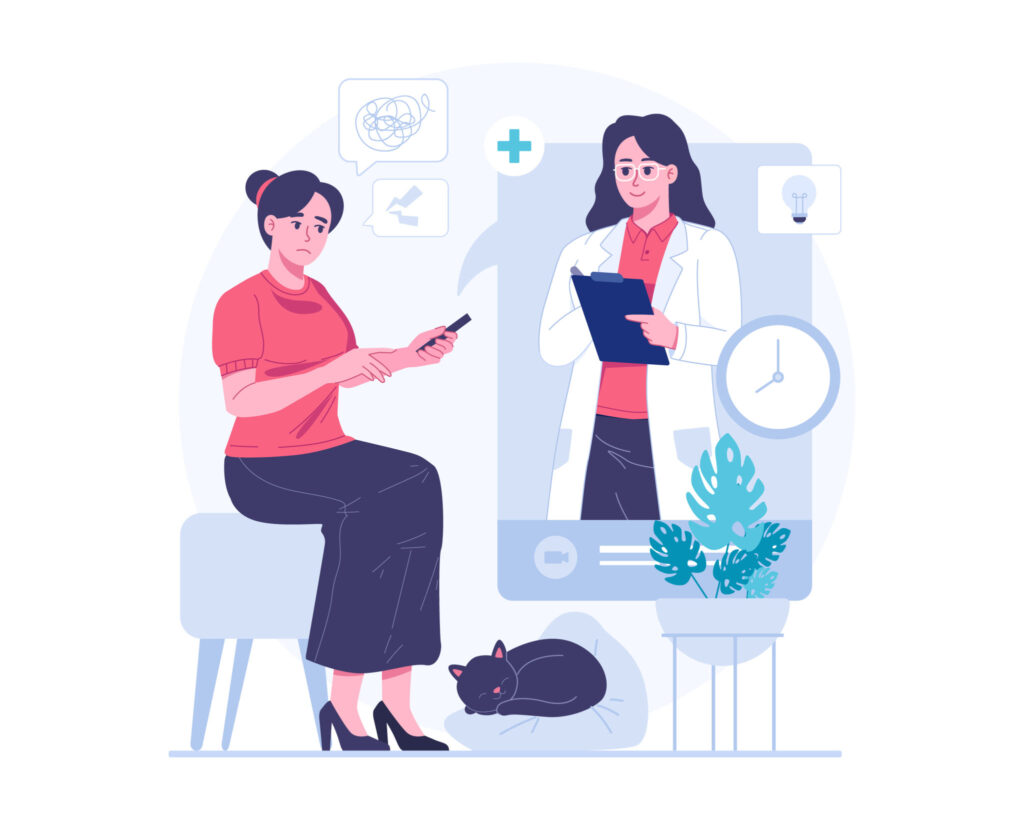
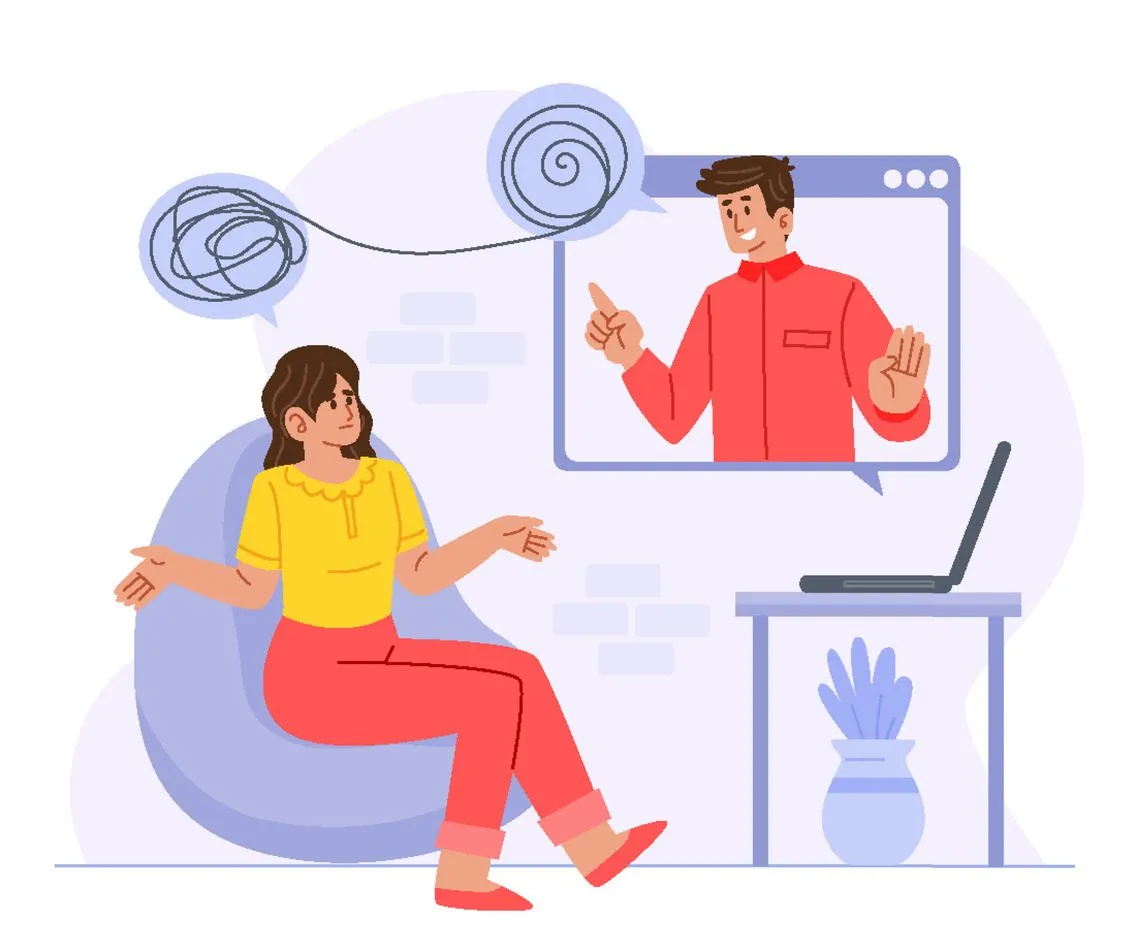
Mental health illustration. Psychotherapy online session or video call. Vector illustration





 Understanding Panic Attacks