
 Understanding Stress and Its Impact
Stress is like that unwelcome guest who overstays their welcome, creeping into our lives and causing havoc. But guess what? You’re not alone in dealing with it. Understanding stress and how to manage it is a game-changer. Let’s cut through the confusion and find practical ways to keep stress from calling the shots in your life. Simple strategies like practicing mindfulness, finding moments to just chill, and not letting work take over can help you kick stress to the curb and lead a happier life.
Effects of Stress on Health
Stress doesn’t just mess with your mind, it can shake up your health too. It has a knack for sneaking into both your body and your brain, leading to all sorts of trouble. Ever been so stressed you could feel your heart racing? Long-term stress is linked to heart woes, a weaker immune system, and even mental health issues like anxiety and depression (PMC). Those pesky stress chemicals, like cortisol, can mess with your sleep and crank up your blood pressure (NCBI).
Recognizing how stress affects you physically and mentally is a big step toward getting control back. Embrace tricks like breaking a sweat, meditating, and leaning on friends or family. These can make a real difference in your day-to-day mood and health.
By understanding the toll stress can take and adopting some smart, stress-busting habits, you’re setting yourself up to handle life’s ups and downs like a champ. Don’t forget, it’s okay to focus on yourself and sometimes reach out to a pro if things get too heavy. Curious about more tips for stress-free living? Check out our article on how to build a daily routine for panic-free living.
Importance of Fitness Trackers for Stress
So, there I was trying everything under the sun to tackle my stress levels. Meditation? Check. Counting sheep? Right on track. Then came along fitness trackers, and boy, did they change the game for me. These little gadgets turned out to be my secret weapon in keeping stress at bay and locking in some good vibes.
Role of Fitness Trackers in Stress Monitoring
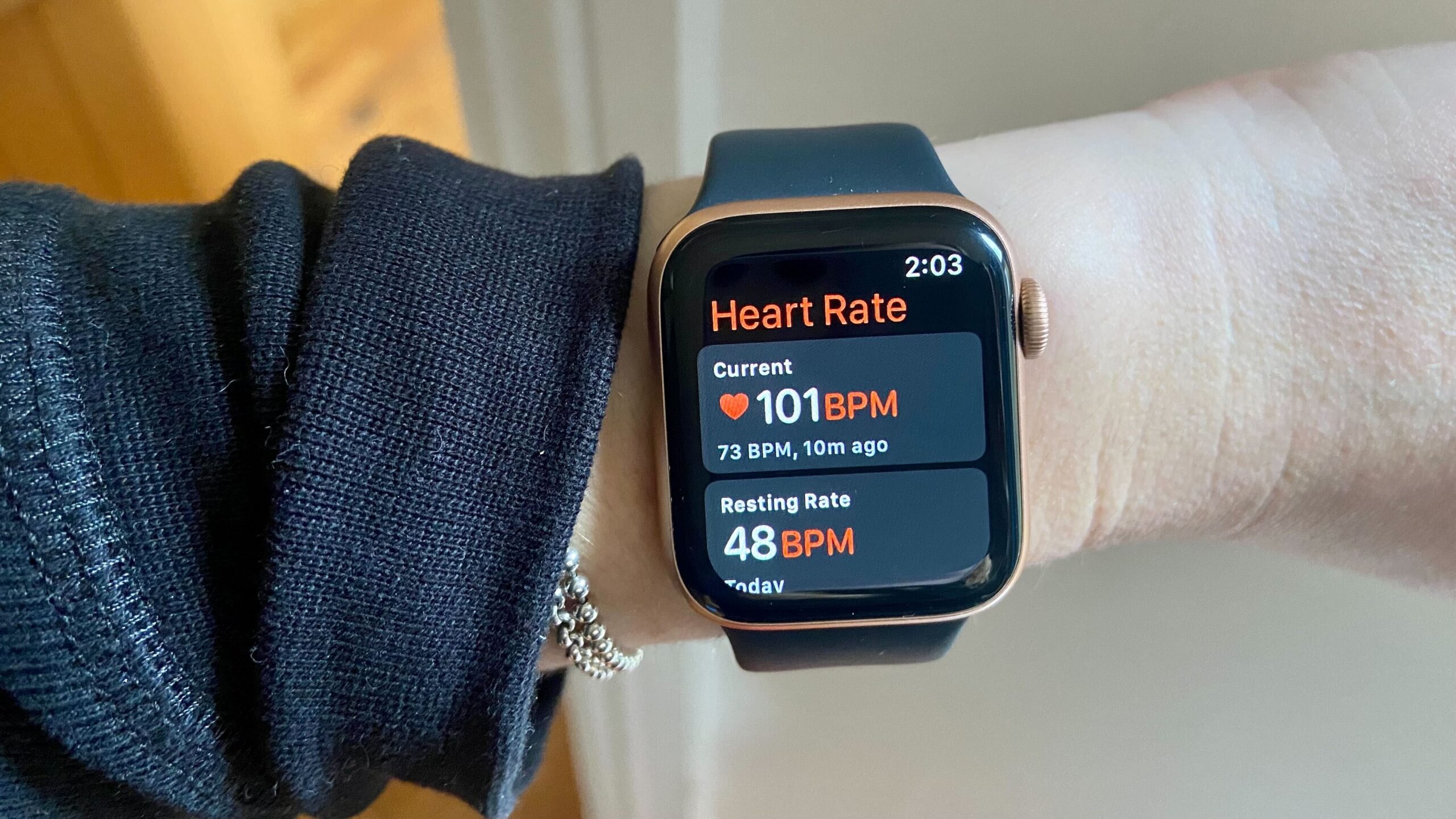
Gone are the days when fitness trackers were just glorified pedometers. Now, they’ve got some serious swag with health-monitoring superpowers. We’re talking heart rate monitors and beyond—big brands like Fitbit, Apple Watch, and Garmin are leading the charge with this tech wizardry. Heart rate variability or HRV is like your body’s way of whispering how you’re holding up, stress-wise (Fortune). When it drops a hint that you’re feeling frazzled, it’s your cue to chill or shake it off. This nifty real-time insight puts you in the driver’s seat of stress management and gets you cruising towards a calmer, fitter self.
Benefits of Tracking Stress Levels
Scouting stress with fitness trackers isn’t just a stat-gathering gig; it’s a whole different ball game. These tech wonders dive into the depth of your body’s signals—HRV, skin temperature, physical activity—and dish out the full scoop on your stress patterns (Fortune). Once you’re clued in on what triggers your stress, you can make those all-important tweaks to your life for some sweet relief vibes that last.
HRV isn’t just a nifty metric; it’s a solid gold clue to how stressed your bod is (Live Science). It’s even tangled up with things like heart disease, diabetes, and PTSD. Keeping tabs on it through a fitness tracker might just be your ticket to dodging these nasties while reigning in stress like a pro.
In this wild ride of calming my nerves, I’ve found fitness trackers weren’t just some random gadgets. They’re like trusty sidekicks cheering me on towards a mellow and healthier self. These things have become my go-to pals, matching my every move as I aim for less stress, better health, and that ever-elusive balance in life.
Top Fitness Trackers for Stress Management
When you’re trying to keep the stress meter in check, a reliable fitness tracker can be your best friend. Here’s a rundown of some top-notch gadgets that can really help you manage stress:
Fitbit Charge 6
Meet the Fitbit Charge 6, a solid choice in the fitness tracker scene with a knack for stress management. It sports built-in GPS, a handy side button you can actually feel, and even links up with apps like Google Maps and YouTube Music if you’ve got a subscription. Folks say its distance tracking is spot on. Wanna know more about it? Check out New York Times Wirecutter.
Apple Watch SE
For the Apple crowd, the Apple Watch SE is a hot ticket thanks to its sharp tracking and how it just clicks with other Apple stuff. You can make calls, shoot messages with a mobile plan, and enjoy a screen that’s bright and easy on the eyes. Heads up, though – the battery powers down after about 18 hours, which is kinda quick compared to some others. Get the scoop at New York Times Wirecutter.
Fitbit Inspire 3
The Fitbit Inspire 3 gets a gold star for nailing accuracy in things like step counting and sports a no-fuss design. It’s got a user-friendly touchscreen that’ll hold your charge for about a week. At just 0.32 ounces, it’s lighter than your usual thumb drive, making it nearly invisible during the day. For more details, visit New York Times Wirecutter.
Garmin Vivomove Trend
Last but not least, the Garmin Vivomove Trend is all about ticking the right boxes without emptying your wallet. From wireless charging and GPS connectivity to incident alerts and cashless payments, this one’s got you covered. Plus, it keeps tracks of your sleep and heart rate all day. Garmin’s app dishes out health stats that can help you handle stress like a pro. See what’s up at Wired.
Each of these trackers brings something special to the table for stress watchers. Whether you pick up a Fitbit Charge 6, jump on the Apple Watch SE bandwagon, get straight with the Fitbit Inspire 3, or pop for the Garmin Vivomove Trend, these gadgets can definitely help you chill and find some peace amidst the chaos.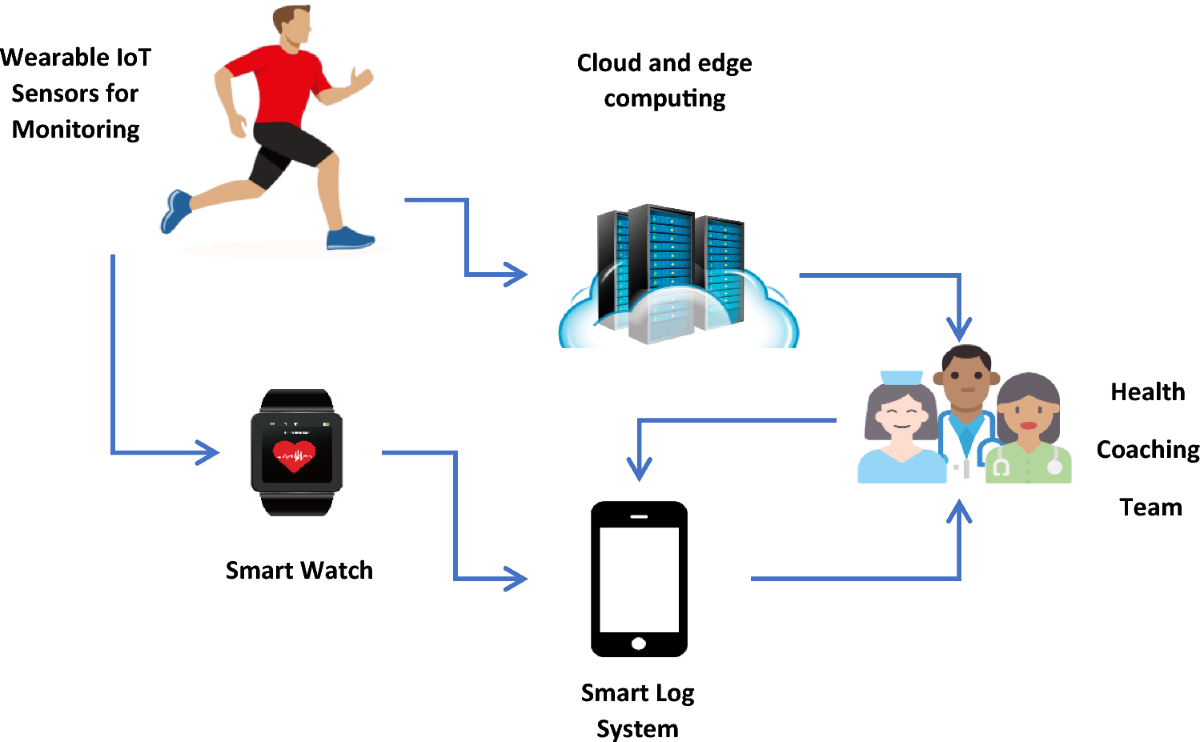
Features and Functionality of Fitness Trackers
Fitness trackers aren’t just fancy pedometers; they’re like that handy friend always looking out for your well-being. They play a big part in guiding you through the chaos of life by keeping an eye on your stress levels. Here’s how they do it with nifty tools like checking out your heart’s rhythm, watching how your body reacts, and giving you stress-busting tips that could come in clutch during a tough day.
Heart Rate Variability (HRV) Monitoring
Imagine your heart as a drummer, with each beat marking rhythm and changes in tempo. This tempo changes are what fitness folks call Heart Rate Variability (HRV). Lower tempos often mean, “Hey, I’m stressed!” The cool stuff here is that fitness trackers watch these heartbeats to clue you in on how you’re handling stress.
As the eggheads at Live Science tell us, HRV is one of the best ways to peek into how stressed you really are. By keeping track of HRV over time, you get a heads-up on stress before it smacks you down.
Tracking Body Responses
Fitness trackers are sharp; they notice things like sweat patterns, tiny wobblings, and temperature changes. Every small detail gives a clue about your stress levels. It’s like your body’s secret language, and these gadgets are the best translators.
Thanks to super-smart sensors, these trackers can tell you how you’re really faring against the storms of life. With such direct feedback, you can uncover what winds you up and, better yet, what chills you out.
Stress Tracking Insights
These trackers become even cooler when they offer you stress management hacks. As you wear them throughout the day, they collect details about your stress journey and dish out personal advice on how to handle it better.
Take the Oura Ring, for instance. Spotlighted in Wareable, it’s not just bling but a tool understanding stress through features like Resilience and Daytime Stress. It checks out your HRV, how you move around, and even your warmth to paint a picture of your stress standoff.
By tapping into what your tracker tells you, you get to know yourself – your stress, and its tricks. With this wisdom, you’re better armed to dodge those frantic meltdowns, steer your life away from anxiety prowlers, and snug up your lifestyle for a calmer future.
Personalized Stress Management Interventions
Taming that pesky stress beast can take a little bit of fine-tuning. It isn’t a one-size-fits-all situation. You’ve got to find what works best for you, a way to keep calm and carry on with personalized tweaks that fit like your favorite pair of jeans. It’s all about doing what’s right for you—so let’s dig into some ideas that might help.
Self-Regulation Strategies
Learning to chill is more of a skill than you’d think. Ever tried taking a breather with some focused deep breathing or zoning out with meditation? Maybe mindfulness or progressive muscle relaxation does the trick for you. All this gobbledygook has backing too—like those smarty-pants researchers over at PMC. They talk about how these self-regulation gigs can not only cool your jets but also keep your body in decent working order. It’s about getting a grip on what’s stressing you out and dialling down those freak-out meters.
Stress Awareness for Prevention
Ever thought of wearing your stress on your sleeve, literally? That’s kind of the deal with these new-fangled gadgets. Like the stuff those brainiacs at PMC are yakking about—tools that you can ‘wear’ to keep tabs on stress sneaking up on you. These bad boys give you a heads up on your stress-o-meter—like when your heart’s doing a little jig or you’re twitchier than a cat in a room full of rocking chairs. Knowing your stressors lets you hit the brakes before they turn into a runaway train.
Tailoring Interventions to Individual Needs
Ever tried to put on someone else’s shoes? Yeah, that’s what cookie-cutter stress relief feels like. Tailoring your stress-busting game is the ticket to winning at the stress game. According to those insight-rich folks at PMC, figuring out your groove—be it chilling with yoga, sweating it out, or just having a laugh—can really kick stress to the curb. It’s about finding your rhythm and sticking to it, and of course, customizing it to your lifestyle, health quirks, and what floats your boat.
Sew it all together with self-regulation, stress-check wearables, and some crafty customization, and you’re not just managing stress—you’re owning it. It’s like building a stress suit of armor that helps you bounce back from life’s curveballs smoother than butter on hot toast. Start making those little changes and watch how they add up to a healthier, happier you.
Future of Wearables in Stress Management
With gadgets now more whiz-bang than ever, wearables are all set to shake up how we handle stress by actually getting to know us better than we know ourselves. In this part, I’ll chat about some really cool tech that’s now making keeping track of stress feel like a breeze, how everyone’s suddenly taken a shine to these wearable gizmos in scientific circles, and how these devices might just make stress eat our dust.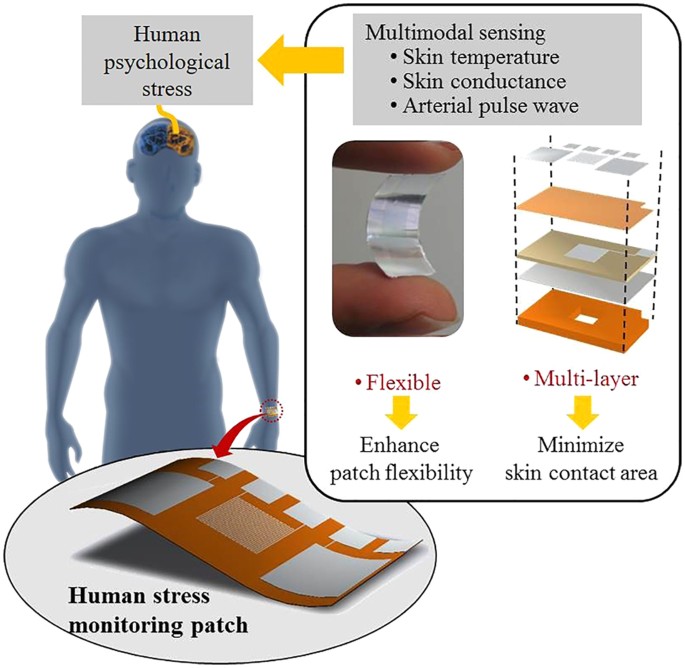
Technological Advancements in Monitoring Stress
Gadgets that cling to us all day have become quite the smarty pants in keeping tabs on our nerves. Your heartbeat’s ups and downs, or HRV for short, is one of their secret weapons, dutifully noting when life’s tossing an extra dose of chaos your way. Over at Live Science, there’s a buzz about how HRV’s not just a tattletale on stress, but also waves a red flag at stuff like heart issues and diabetes. By working out your HRV dance, wearables give you a sneak peek into what’s stressing you out, letting you nip it in the bud with a bit of savvy stress management.
You’ll find this cleverness in gadgets like Fitbit, Apple Watch, and Garmin. These little wonders tap into your stress vibes round-the-clock, handing out instant tips on what’s ticking you off. Armed with this knowledge, you get the big picture on your stress stories and can figure out how to handle them without hitting the panic button.
Upward Trend in Wearable Studies
There’s a whole lotta curiosity bubbling about how wearables help out with stress, and science types are diving in with both feet. PMC wrote about how they sifted through 6259 geek fest reports but zoomed in on 40 that really cracked stress-helping wearables wide open. Mostly, it’s all about smart stuff you strap to your wrist.
These studies underline how wearables are muscling their way in as stress-busting sidekicks and overall well-being boosters. Make them your daily go-to tools, and you might gather enough know-how about your stress peaks and valleys to decide what works best for keeping stress on a leash.
Potential for Enhanced Stress Reduction
Fitness gadgets aren’t just for counting steps anymore; they’re becoming bona fide mood ring wannabes. According to Fortune, contraptions like Fitbit, Apple Watch, and Garmin with their HRV magic can whisper in your ear about stress levels when the going gets tough. By playing Sherlock Holmes with your stress clues, you can quickly spot what’s flipping your stress switches and pull out all the stops to kick back and relax before stress snags your health.
These gadgets’ ability to serve up just-for-you stress-busting tips based on live action updates puts you in the driver’s seat for feeling good. By tuning into what these gizmos tell you, you can fine-tune your stress-tackling tactics to suit you just right, making stress management a walk in the park.
As these brainy wearables level up with even smarter stress know-how, they’ll rewrite how we all deal with stress in our daily grind, making sure technology isn’t just a bystander but a superhero in boosting overall health and happiness.