
 Mental Wellness Apps Overview
So, here’s the scoop on mental wellness and technology—loads of folks now lean on apps to help keep their minds in tip-top shape. There are about 20,000 apps out there, each offering something special for mental health needs. These apps have become go-to pals for those wanting an extra hand in keeping their mind happy and healthy.
Advantages of Mental Wellness Apps
The magic of these mental wellness apps is all about how easy they are to get your hands on. You can literally whip out your phone, and with a couple of clicks, you’re opening the door to a world of tools aimed at helping you manage anxiety, stress, and more. They’re like your personal wellness sidekick, always there when you need a little mental pick-me-up.
And guess what? There’s something for everyone in these apps. Whether you’re into meditation, want to jot down your thoughts, need help catching some Zs, or are just looking for ways to calm down—these apps have your back. They focus on making sure their features fit your style and needs, adding a nice personal touch to your wellness game.
Features of Mental Wellness Apps
These apps pack a punch with loads of cool stuff to help boost your mental well-being, like:
- Meditation and Mindfulness Techniques: Chill meditation sessions and mindfulness hacks to help you unwind, find your centering, and deal with stress.
- Journaling Support: Spots to jot down your thoughts—helps you get to know yourself better.
- Notifications and Reminders: Nudge you to take some ‘me time,’ like breathing exercises or hitting your goals.
- Interactive Exercises: Fun stuff to keep your brain sharp and emotions in check.
- Progress Tracking Reports: Cool charts and graphs showing how far you’ve come—it’s seriously motivating!
- Sleep and Relaxation Tools: Tricks to help you get a good night’s sleep and stay chill.
- Goal Setting and Achievements: Space for setting mental goals and high-fiving yourself when you hit them.
But hey, remember, these apps are only a piece of the puzzle. Balancing them with things like exercise, good eats, sleep, and hanging out with pals leads to that long-term mental happiness we’re all shooting for.
Before diving into any app, it’s worth checking out stuff like how effective it is, if it’s easy to use, what features it offers, and how safe your info will be. You’ve got to find something that feels just right for you, so you can get the most out of it.
Impact of Stress and Anxiety on Specific Populations
Feeling stressed and anxious can seriously mess with certain groups of people. Two places it’s especially noticeable are in college students and folks dealing with panic attacks in specific groups.
College Students and Mental Health
College students’ mental health has been in the spotlight lately. In 2023, the National Alliance on Mental Illness (NAMI) found out that a whopping 73% of college students have dealt with a heavy load of stress, anxiety, or depression. This screams out for better mental health help in colleges.
The college years come with their own baggage. You’re juggling studies, making new friends, money woes, and the whole moving-out-and-standing-on-your-own thing. All these can worsen existing mental problems or spark new ones. That’s where mental wellness apps come in handy. They’re like having a therapist in your pocket, helping students manage stress and anxiety smoothly.
If you’re curious about how these apps can make a difference, check out resources like building a relaxation routine to reduce panic symptoms and top resources for managing panic attacks in 2025.
Panic Attacks in Specific Populations
Panic attacks can strike at anyone in certain groups, bringing on waves of fear and unease. Getting a handle on what sets them off and sorting out how to manage them is crucial for the right kind of help and care.
Research shows that digital tools, like apps for mindfulness and self-kindness, are getting popular for heading off burnout and stress at work. Among these techy helps, apps like Headspace and Calm are big hits, letting folks tackle stress and anxiety like pros.
With these mental wellness apps that offer cool features for panic attack management, people in specific groups can learn how to cope better, become stronger, and feel overall healthier. For more tips on dealing with panic attacks, check out must-have tools for panic attack management and benefits of joining panic disorder workshops.
Best AI-Powered Meditation Apps
Hey there, ever find your thoughts racing when you just want some peace? Yeah, me too. That’s when I discovered AI-powered meditation apps. Think of them like your very own meditation buddy—one that gets you and tailors each session to your vibe. So, why not check out these three rockstar apps that sprinkle in a little AI magic to make meditation not just effective, but personal, too?
Headspace AI Features
So let’s kick things off with Headspace. Honestly, it’s like having a meditation coach living in your phone. The cool part? It uses AI to study your routines and offers meditation sessions that “get” you. Whether you’re humming along or just starting, Headspace keeps you coming back with sessions that fit like your favorite pair of sweats. Comfort? Check. Motivation? Double check.
Calm AI Customization
Next up, Calm—kinda like your zen-filled DJ spinning tracks based on your mood. I love how it taps into AI to tailor its vibe to yours. Whether you’re feeling peaceful or need some major chill time, Calm’s got just the right track tailored to you. You know that feeling when a friend just gets you? This app does that, but better. It doesn’t just help you meditate, it makes sure you want to.
Smiling Mind AI Progress Tracking
And then there’s Smiling Mind. Think of it as your meditation sidekick, keeping tabs on your progress. The AI here suggests sessions as you evolve, helping you dive deeper without breaking a sweat. It’s like having a gentle nudge in the right direction without the hassle of scrolling endlessly for the perfect session. More mindfulness, less fuss. Who wouldn’t want that?
So, what’ll it be? Headspace, Calm, or Smiling Mind? Honestly, each has got its quirks, but they all aim to boost your chill and create a happier headspace. Trust me, your future, relaxed self will thank you.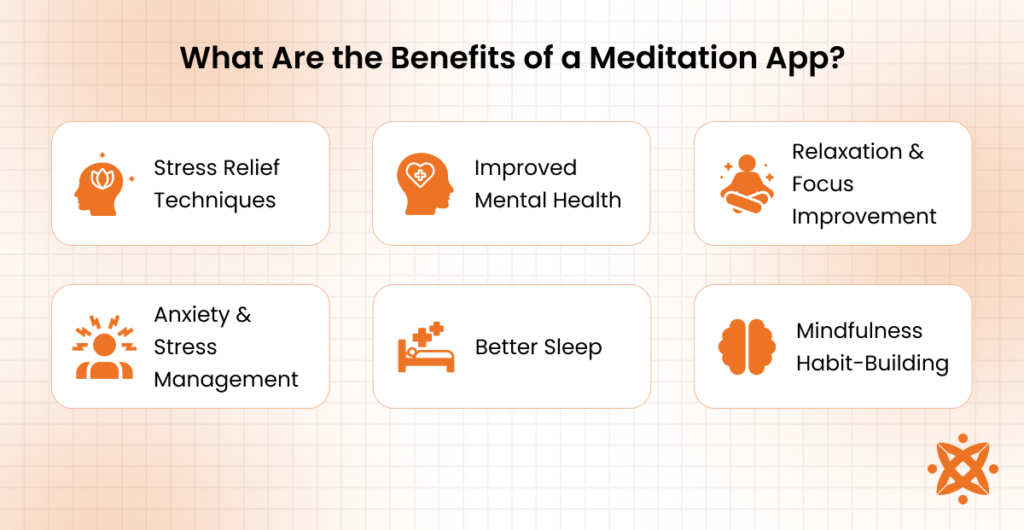
Top Meditation Apps for Busy Professionals
Trying out meditation apps can be a bit much when you’re juggling life, work, and the search for a little zen. But fear not, my friend, as I am here to direct you to some top-notch apps that are made for bringing peace into your hectic days.
Insight Timer Personalization
Insight Timer is like having a giant buffet of more than 100,000 meditations, and it’s got a big community vibe too. The free side of this app is cool for anyone looking to dip their toe into mindfulness, though I’ll admit, sifting through all that content can be enough to make your head spin (New York Times).
One thing that keeps folks coming back is how Insight Timer can get all personal with its suggestions. It learns your meditation style and throws out ideas that genuinely match your practice. This makes your path to serenity feel like it’s perfectly laid out just for you.
Aura Mood-Based Recommendations
Aura is the kind of friend who knows when you’re feeling a bit iffy and tailors the perfect remedy just for you. It’s built on fancy AI that picks up on your mood and gives you meditation options to match. Aura takes personalization to the next level, making sure you get that deep, immersive chill session you’re after (BuddyX Theme).
By zoning in on your emotional vibe, Aura becomes that trusty go-to app for professionals craving a meditation practice that understands them as well as their need for a breather.
Healthy Minds Program Structured Courses
The Healthy Minds Program feels like a meditation boot camp but trust me, it’s all good. Created by brains at the Center for Healthy Minds, this freebie guides you through lessons on awareness and connection, perfect for anyone easing into meditation for better mental health (New York Times).
I love how it lets you pick how long you wanna meditate, and keeps track of your progress, too—setting you up for steady personal growth in mindfulness at a pace that suits you just right.
Plugging these top-tier meditation apps into your daily grind offers busy folks like you a shot at reducing stress, improving concentration, and keeping that mental wellness in check as you hustle through the day.
Lifestyle Adjustments for Long-Term Relief
Hunting for a way out from the grip of panic attacks? Making little tweaks in your lifestyle can be your ticket to lasting peace. By giving your mental health a big picture treatment, you’re attacking anxiety and stress head-on. Plus, picking the right mental health app helps lighten that mental load.
Holistic Approach to Mental Wellness
The big picture treatment for mental wellness gets that all parts of life — mind, body, and friends — are tangled up together. Eating right, sleeping well, moving around, and figuring out stress, all play their part. Finding your calm spot in nature, practicing mindfulness, and sticking to a workout routine can whittle down those jitters and panic episodes like nobody’s business.
An even-keeled lifestyle that checks healthy eating, regular workouts, and solid shut-eye off your list can help you handle panic attacks like a pro. Carve out a routine stuffed with self-care, chilling out, and good chats to boost your mental strength. Every tiny change can make a big splash in keeping your worries at bay.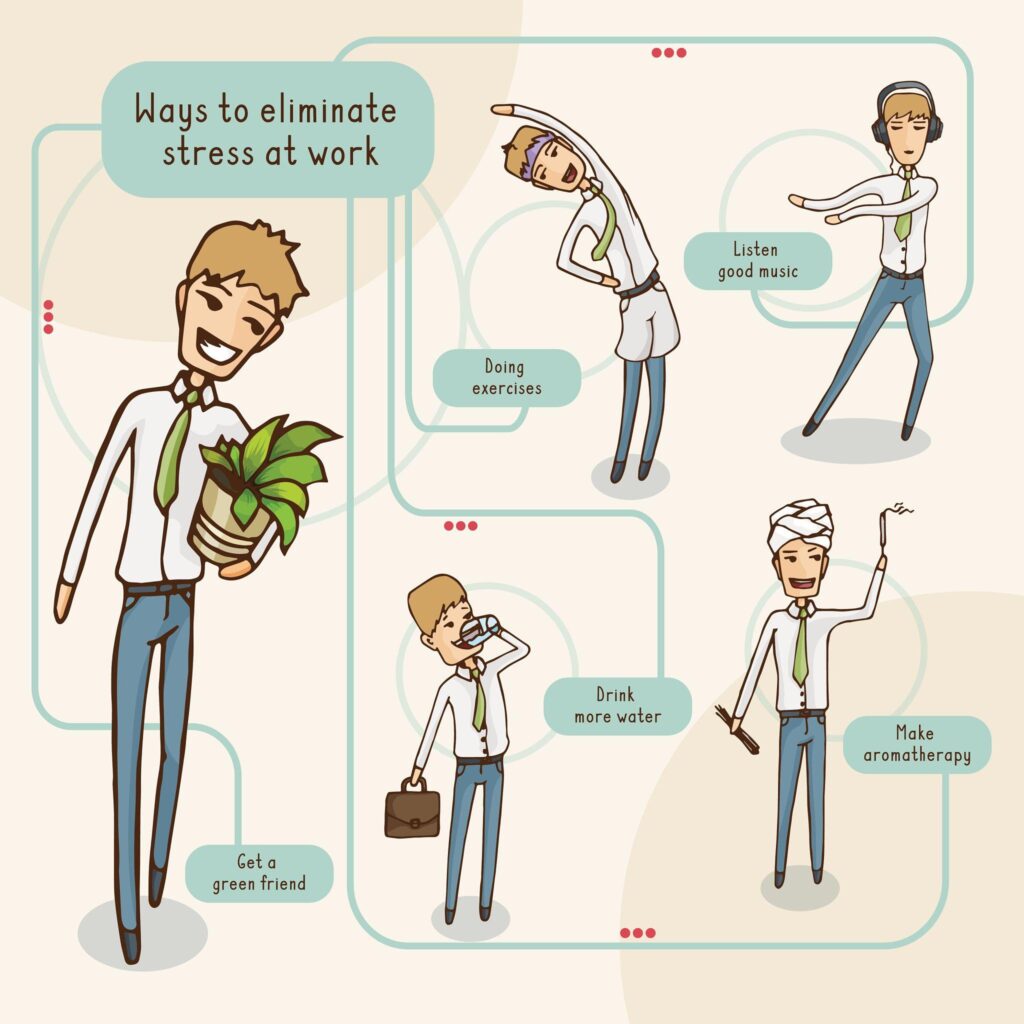
Considerations in Selecting Mental Health Apps
Sure, mental health apps are cool sidekicks for dealing with the blues, but you gotta pick your partner wisely. Here’s what to think about when you’re on the hunt for that trusty mental health app:
- Research-Backed Effectiveness: Grab apps that rely on solid research and are proven to tackle anxiety and panic head-on.
- User-Friendly Interface: Go for apps that get you, ensuring using them is a breeze and keeps you coming back for more.
- Personalized Features: Opt for apps that recognize you’re one-of-a-kind, offering features that cater to your calls.
- Privacy and Security Measures: Stick with apps that keep your info locked tight, ensuring peace of mind.
- Device Compatibility: Double-check that your device likes the app, so you don’t hit any bumps along the way.
- User Reviews and Recommendations: Listen to the chatter from other folks who’ve been there; it’ll steer you right.
By picking mental health apps that tick these boxes, you’re arming yourself with gear that dovetails nicely with your path to wellness. Remember, it’s a personal journey — find the app that gets you and fits like a glove, and you’re setting yourself up for a sustainable mental health routine.
The Science of Voice in Guided Meditation
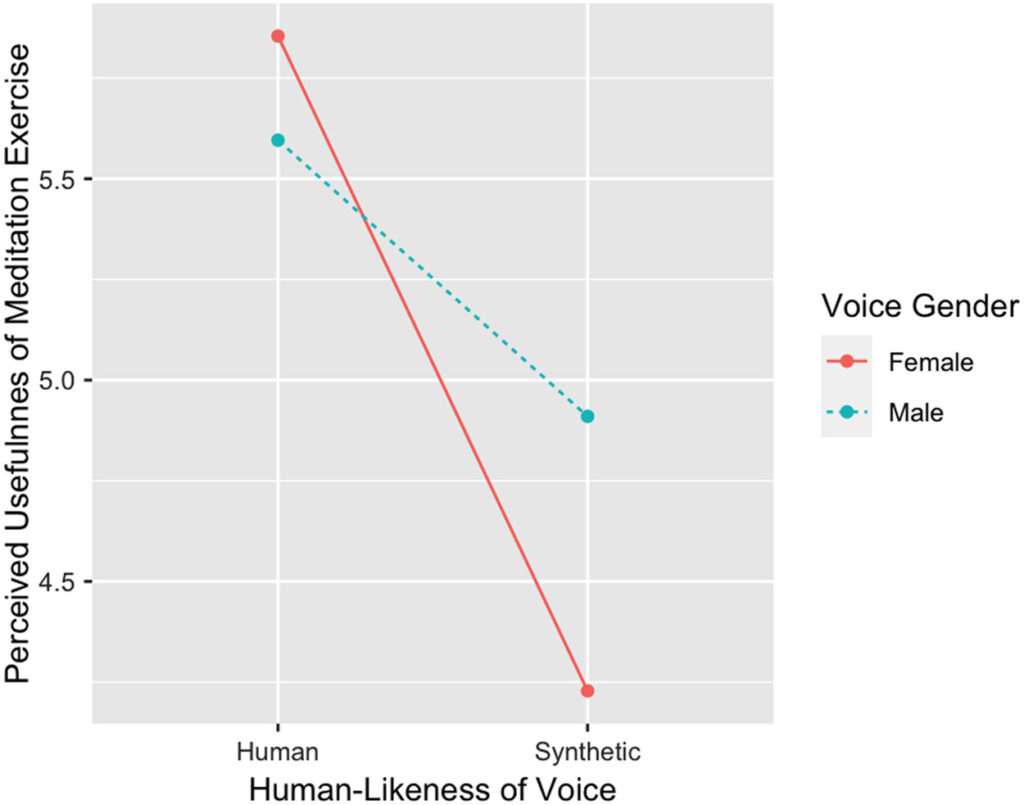
Let’s chat about finding that perfect voice for guided meditation. Human voices, or the synthetic kind, can change the whole vibe of your inner zen journey. Take it from research (check out the good folks at APA PsycNet), folks chilling out to human voices said they felt more at ease, happier, and got more out of their meditation sessions than those listening to robo-talk.
Human vs. Synthetic Voices
There’s something about a real human voice that hits different. It’s like having an invisible friend guiding you, connecting with you, and genuinely caring for your well-being. Our ears pick up on all those warm tones and subtle changes in a human voice that can evoke real feelings, helping us relax deeper and feel more balanced (APA PsycNet).
Now, don’t get me wrong, synthetic voices are getting pretty slick, but they might just lack that soulful magic. They can feel kinda cold and a bit too mechanical, missing that cozy vibe and trust a human touch brings.
Impact of Voice on Meditation Experience
The voice you choose does more than just help you chill out; it’s like having someone by your side. A human voice makes you feel supported and understood, which seriously amps up your relaxation and focus. It’s like curling up with a good book—it feels familiar and inviting.
If you’re tuning into synthetic voices, they might sound like they’re phoning it in. That disconnection can make meditation less fulfilling, leaving you drifting instead of diving deep.
So, what’s the takeaway? Go for guided meditation with a voice that feels personal to you, ideally a warm human one. It’s like wrapping yourself in a comforting blanket, helping you reach new levels of calm and mindfulness.