

Understanding Anxiety in Autism
Getting our heads around anxiety in folks on the autism spectrum is super important if we’re gonna help them right. So let’s talk about how often anxiety pops up in people with Autism Spectrum Disorder (ASD) and how it really shakes things up for them.
Prevalence of Anxiety in Individuals with Autism
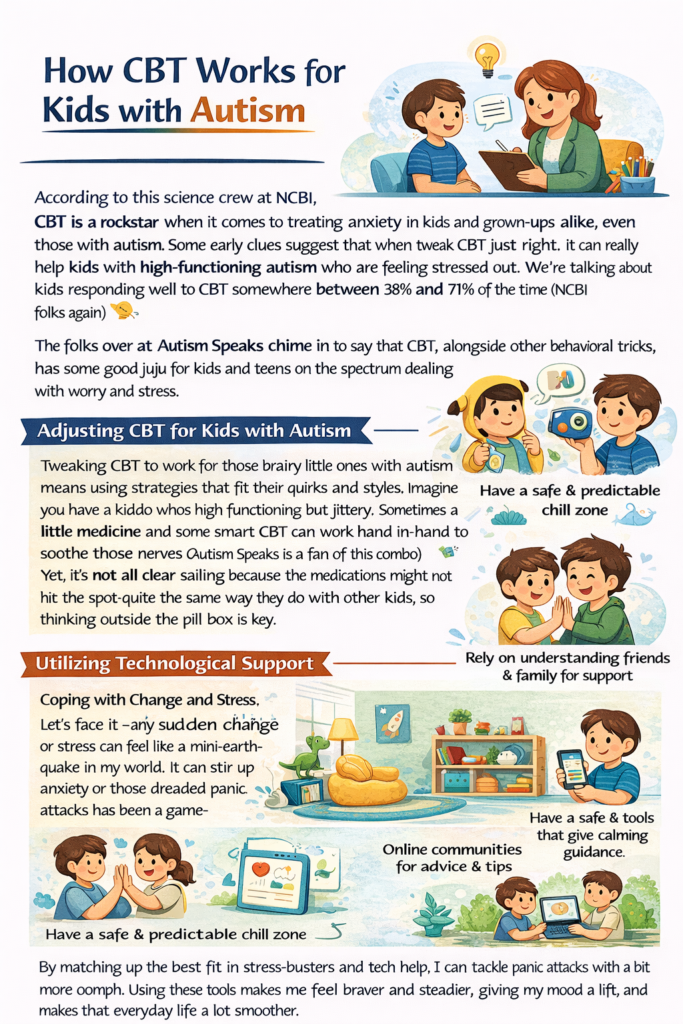
Believe it or not, about 80% of kids with autism might be battling some kind of anxiety, says NCBI. This isn’t just your average jitters. We’re talking about serious stuff like social phobia, generalized anxiety disorder (GAD), obsessive-compulsive disorder (OCD), and separation anxiety disorder (SAD).
This means we gotta be super aware of anxiety in these kids because it’s not just autism they’re dealing with. Spotting signs of anxiety early means we can step in with the help they need when they need it.
Impact of Anxiety on Individuals with Autism
When anxiety teams up with autism, it can really throw a wrench in the works. We’re talking more stress at school, in social settings, and even at home, according to NCBI. These extra hurdles can leave a mark on their day-to-day life and just how well they can function.
Understanding what anxiety does to someone with autism means we can come up with better ways to support them. It’s not a one-size-fits-all deal—everyone’s different, so we’ve gotta find ways that fit them just right.
Grasping how anxiety and autism interact is like holding the keys to giving someone on the spectrum the best shot at being happy and thriving. Recognizing just how common anxiety is in this group means we’re better prepared to create spaces where they can feel comfy, accepted, and supported.
Triggers for Panic Attacks
Unraveling the reasons behind panic attacks in folks with autism is crucial for offering the right support. Panic attacks can sneak up from anxiety spells, and the things that set them off can differ from one person to another. Common culprits often include sensory overload, social pressure, and disruptions to what’s familiar.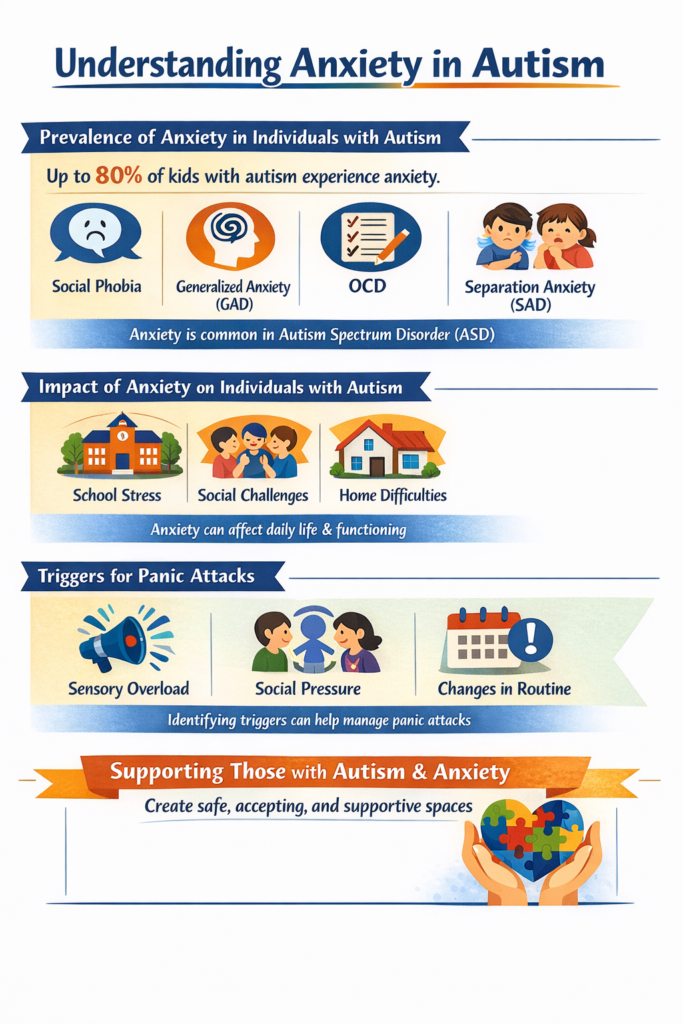
Sensory Overload
Ever felt like the world was just too much? For some with autism, sensory overload can turn simple things into chaos. Picture loud noises, blaring lights, strong smells, or jam-packed spaces. When you’re ultra-sensitive to these, they can crank up anxiety and fire off panic attacks. Simple strategies like creating a chill zone or using sensory aids like noise-canceling headphones or snug weighted blankets can help keep sensory overload in check and ease the tension.
Social Stressors
Taking on social situations isn’t always a walk in the park, especially for those wrestling with autism. The struggle with communication and social signals can pile on anxiety and fear. Unfamiliar settings, packed parties, or friend spats can all tip the scale. That’s why it’s key to lend a hand in honing social skills, setting up predictable social routines, and practicing helpful scripts. These efforts can not only tame social butterflies but lessen the anxiety that might otherwise push them to panic.
Changes in Routine
Most of us find comfort in routine, but for those with autism, this comfort is even more pronounced. Changes to the schedule or daily surprises can send nerves sky-high and set off panic. Whether it’s rescheduling plans, sudden happenings, or being in unfamiliar territory, it can cause unease. The remedy? Giving heads-up about changes, crafting visual planners, and offering comforting support when things shake up. All these make adapting smoother and keep those panic levels in check.
By understanding and addressing what sets off panic in people with autism, caregivers and pros alike can work wonders in supporting not just day-to-day comfort but emotional resilience. It’s all about recognizing each person’s uniqueness, tailoring responses, and standing by their journey through anxiety and panic, giving them the tools to thrive courageously.
Managing Anxiety in Autism
Getting a handle on anxiety for folks with autism means pulling out all the stops to make life a little more predictable and comfy. You gotta get what they’re going through to really help them tackle those anxious feels.
Creating a Calm Environment
First off, we need some peace and quiet – literally. People with autism feel right at home when things are chill and routines are rock-solid. Think of a space designed to dodge sensory overload and keep things friendly to their senses. By cutting out the chaos, you give them a sanctuary where they can breathe easier and feel grounded, which makes dealing with anxiety a whole lot smoother.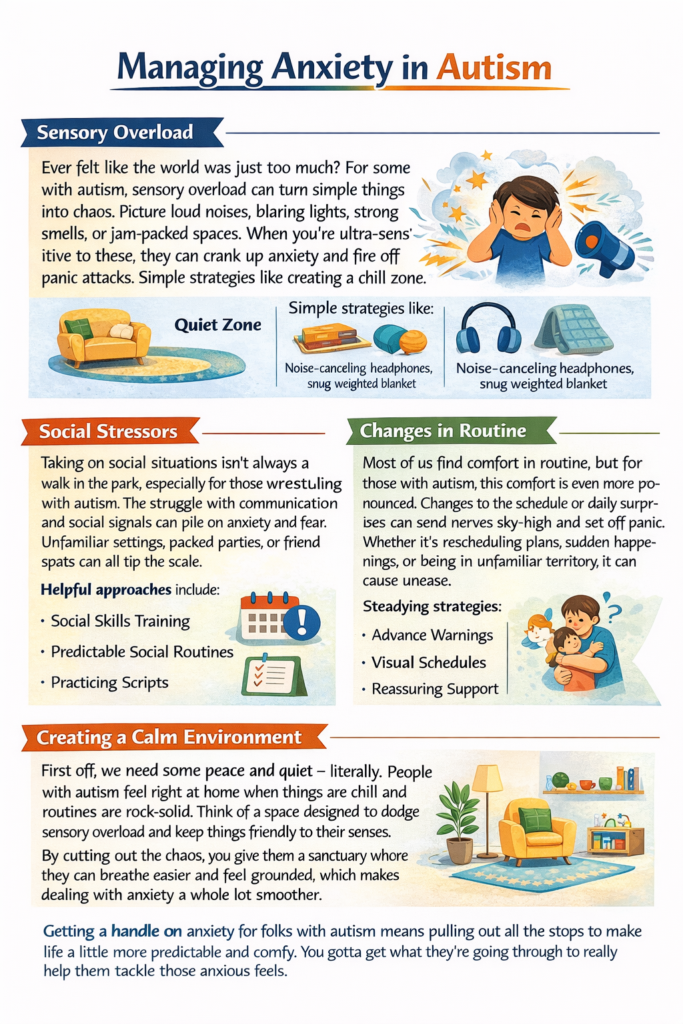
Sensory Regulation Techniques
Now, those sensory hiccups can really rattle the nerves. That’s why it’s smart to weave in sensory tricks that help them tune in instead of tuning out. We’re talking about firm hugs or weighted blankets, setting up a ‘menu’ of sensory activities, and using nifty gadgets that soothe the tension. When anxiety cranks up, these tools can be game-changers, offering a bit of peace when everything feels too much.
Communication Support Strategies
Talking things out isn’t always easy when words keep ducking and diving. But finding a way to communicate is a major stress reliever. Whether it’s using pictures, telling tales with social stories, or tech gadgets that give them a voice, breaking down those communication barriers can really help ease the frustration. With the right support, expressing needs and feelings doesn’t have to be so tough and can make stress less of an unwelcome guest.
By putting these strategies into play, family and caretakers provide a little cushion against anxiety for those with autism. Knowing what tweaks the anxiety dial and creating an environment that embraces their uniqueness helps forge a path towards emotional health and strength.
Professional Interventions
Being anxious is no fun for anyone, especially when it hits people with autism spectrum disorder (ASD) who might face panic attacks. Getting a bit of professional help here can make all the difference. We’re talking about things like Cognitive Behavioral Therapy (CBT), sensory therapies, and some careful medicine use. These strategies aren’t just buzzwords—they’re real ways to help folks with ASD deal with anxiety and those panic moments.
Cognitive Behavioral Therapy (CBT)
Good old Cognitive Behavioral Therapy (CBT) has a solid track record. It’s proven to be a pretty good way to take the edge off anxiety and panic attacks for those with ASD. It’s recognized for its effectiveness in both kids and adults, including those walking the ASD path (NCBI).
The therapy gets even better with some tweaks for younger folks with ASD. These modified methods are pretty handy, with success rates swinging between 38% and 71%. It’s about understanding their world and helping them figure out better ways to handle life’s worries (NCBI).
Sensory Therapies
When it comes to anxiety and panic, sensory therapies step up big time for those with ASD. Having a place that’s calm and predictable can do wonders. It’s not just about staying chill but building an environment that plays down stress (Behavioral Intervention For Autism).
These therapies include cool tricks like deep pressure stimulation or sensory integration activities. They help folks manage those moments when everything feels too much, making it easier to keep it together when anxiety knocks. It’s about not just surviving, but thriving and finding a little peace in the chaos.
Medication Guidance
Sometimes, anxiety can hit hard. When that happens, the right meds can make a big impact on daily life. But this isn’t about popping pills willy-nilly. It’s about riding this wave with professional help, understanding what medication can—and can’t—do.
Healthcare pros are vital here. They guide on what’s safe and helpful, always keeping an eye on how medication fits into the larger therapy and lifestyle picture. Medication should always be discussed and managed under careful eye, knitting together with behavioral work and therapy to give the full support package.
By blending CBT, sensory therapies, and smart medication use, anxiety in ASD can be tackled head-on, offering real, meaningful relief. When we get help, that’s when managing anxiety and panic attacks becomes a real possibility, paving the way for a better life.
Cognitive Behavioral Therapy (CBT) for Children
Alright, so you know how kids with autism can feel super anxious, right? They’re like little bundles of nerves wrapped in cute, but sometimes they need a bit of extra help. That’s where something called cognitive behavioral therapy, or CBT, steps in. It’s like a superpower for managing anxiety.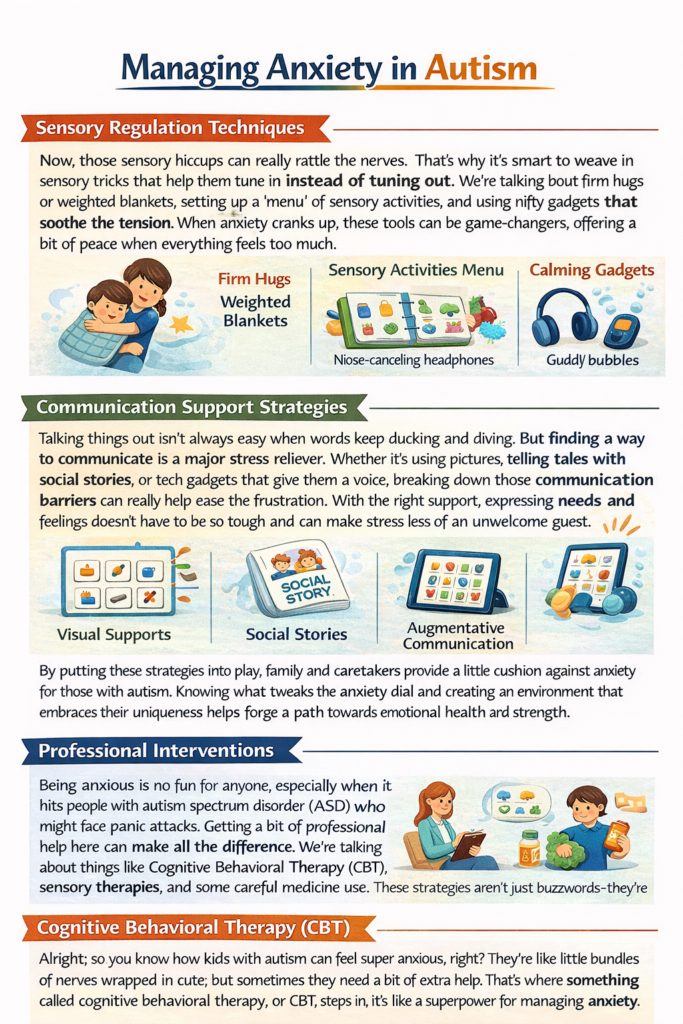
How CBT Works for Kids with Autism
According to this science crew at NCBI, CBT is a rockstar when it comes to treating anxiety in kids and grown-ups alike, even those with autism. Some early clues suggest that when you tweak CBT just right, it can really help kids with high-functioning autism who are feeling stressed out. We’re talking about kids responding well to CBT somewhere between 38% and 71% of the time (NCBI folks again).
The folks over at Autism Speaks chime in to say that CBT, alongside other behavioral tricks, has some good juju for kids and teens on the spectrum dealing with worry and stress.
Adjusting CBT for Kids with Autism
Tweaking CBT to work for those brainy little ones with autism means using strategies that fit their quirks and styles. Imagine you have a kiddo who’s high-functioning but jittery. Sometimes a little medicine and some smart CBT can work hand-in-hand to soothe those nerves (Autism Speaks is a fan of this combo). Yet, it’s not all clear sailing because the medications might not hit the spot quite the same way they do with other kids, so thinking outside the pill box is key.
Those bright minds at NCBI PMC found that when CBT gets a makeover for kids like these, the results are promising—response rates are back in that 38% to 71% ballpark. You can choose to do this one-on-one or throw a few kids together, even get mom and dad involved. They use pictures and other helps to keep kids from getting stuck on one thought like their favorite Pokémon or space adventure.
Adapting CBT for young folks with autism asks for a gentle look at how they see and talk to the world. With a modified plan that zeroes in on the toughest challenges they face, therapy can really make a difference, letting them embrace the calm way more often.
Coping Strategies and Resilience
When I’m trying to handle my panic attacks, especially being an individual on the autism spectrum (ASD), I’ve found that certain tricks and tech help me build the strength I need. Two biggies are muscleing through stress and shake-ups, and leaning on tech for a little assist when I need it.
Coping with Change and Stress
Let’s face it—any sudden change or stress can feel like a mini-earthquake in my world. It can stir up anxiety or those dreaded panic attacks no one loves. For me, setting up ways to chill when this happens has been a game-changer. Picture a super comfy chill zone where I know what to expect, and life feels less like a crazy roller-coaster ride (some tips here).
It’s important to have people close by who can help when life’s stresses pile up. Having folks who understand what I’m going through, who’ve got my back, and with whom I can chat openly, is like having a security blanket. Just knowing there’s someone who will listen confidently goes a long way toward managing changes without totally freaking out.
Utilizing Technological Support
And hey, I live in a time where tech isn’t just cool—it’s super helpful for folks like me! Tech’s my ally, helping me stay in control, keep on top of my day-to-day, and take on responsibilities (check it out here). When panic hits, using a trusty app can be my calm in the storm.
There’s a load of tech goodies out there—from apps that remind me when to take my meds, to tools that let me chill when I’m feeling jumpy. Plus, online hangouts or places to get advice for me and my peeps can be a tin of gold, offering tips and a place to belong.
By matching up we’re the best fit in stress-busters and tech help, I can tackle panic attacks with a bit more oomph. Using these tools makes me feel braver and steadier, giving my mood a lift, and makes that everyday life a lot smoother.