

Building a Supportive Network
Understanding Panic Attacks
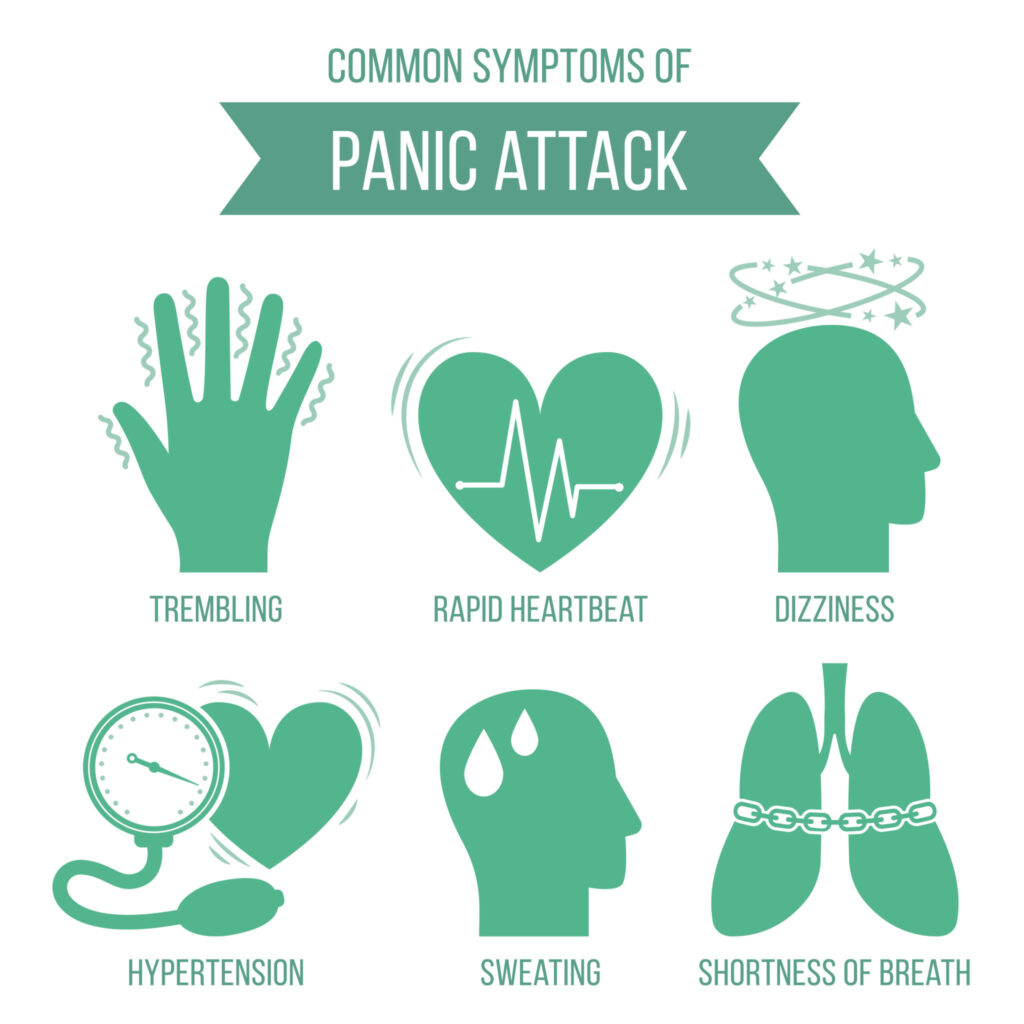
Alright, let’s talk panic attacks. I’ve been there, felt the creeping terror and the wild heartbeat thumping away like it’s a rock concert. You can suddenly think the Grim Reaper’s knocking, makes it feel like a heart attack’s got you in its grips—but hey, it’s not the end, just your mind playing an unfair trick (Healthline). These episodes come with unwanted guests: fear that could make you freeze, and symptoms like breath fights, that nervous sweat, and a heart that’s suddenly a drummer.
Providing Support During Panic Attacks
So, when someone you care about is in panic mode, don’t start flapping about. Nope, calm’s the name of the game. Your cool vibe can be like a lighthouse when they’re stuck in the storm. Shoot them a ‘how can I help?’ and make sure you respect their space—sometimes all they need is knowing someone’s close by, in silence (Healthline).
Grounding techniques are gold here, like getting them to count the blue cars, or feel the breeze on their face. These methods tug them back from the fear factory, keeping the fright lights from flashing too bright. Once they grab onto something real, the storm’s calmer waters might return (Healthline).
Their thinking’s probably haywire, thanks to that annoying fight-or-flight mode kicking in. So, take their reactions in stride—don’t wear them like a badge of offense. They may be convinced the world’s collapsing on ’em, even if it usually fades away quicker than bad dreams (Healthline).
Knowing panic attacks isn’t about stealing the spotlight. It’s about lighting the way. Offer that help, listen with empathy, and maybe guide with grounding exercises. You could be the anchor they need, showing that behind every wave of panic, there’s a shore they can land on. Make that network tight with understanding and affection.
Strategies for Helping Someone
When someone you care about is in the throes of a panic attack, knowing how to step in and help is a real game-changer. Here’s what you can do to make a difference: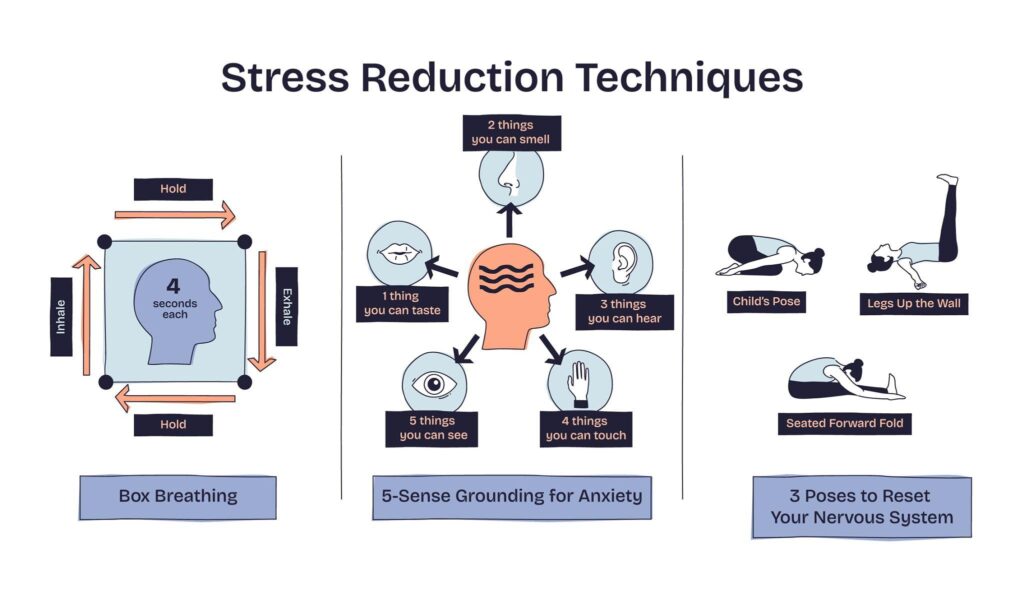
Keeping Your Cool
You might not have all the answers, but staying calm is pure gold in these situations. When panic hits, everything feels like it’s spinning out of control for that person. Being the calm in their storm helps them anchor down. You don’t have to solve the problem or sugarcoat what’s happening—just be there, be steady.
What they need is your support, without judgment. Let them vent if they need to, and keep in mind that it’s not about giving advice but just listening. A simple, “What can I do to help you right now?” goes a long way. Respect what they tell you—whether it’s to sit quietly or talk them through it.
Using Grounding Tricks
Grounding isn’t just for electricity; it’s a lifesaver during panic episodes. These tricks get someone out of their head and back to the here and now. Helping them focus on something tangible can take the sting out of the panic.
Think about simple things: taking deep breaths together, counting the colors in the room, or asking them about a favorite memory. These are not cures, but they can make a scary moment feel a little less like it’s taking them over.
The key here is patience. It’s normal for their brain to go on overdrive and for logic to take a backseat. You’re not there to fix, just to be a solid support, helping them touch ground till the storm dies down.
With these strategies in mind, you’re not just responding to panic attacks; you’re building a road to lessening them over time. Your calm presence and patience could be the lifeline they need in those tough moments.
Importance of Social Support
When I first started dealing with panic attacks, I realized how powerful a good support system could be. It’s not just about surrounding myself with people; it’s about forming bonds that offer comfort, empathy, and safety when life gets tough.
Benefits of a Support Network
Having a tight-knit support network is a game-changer. University at Buffalo points out that the right relationships can provide relief from stress and boost personal growth. Here are some perks of having such a network:
- Emotional Support: It’s comforting to know someone has your back during rough patches. These are folks who really care about you, and that can be an incredible source of comfort.
- Practical Assistance: Your circle can pitch in with everyday tasks—running errands, going to doctor visits with you, or simply lending a friendly ear. This hands-on help can really ease the stress of panic attacks.
- Validation and Understanding: Talking to people who get it and affirm your feelings can make you feel less alone. Being listened to without judgment is seriously empowering.
- Enhanced Coping Skills: By learning from your support network’s coping techniques, you can bulk up your own toolkit. Whether it’s breathing exercises, mindfulness, or self-care rituals, picking up these skills can help you handle panic attacks better.
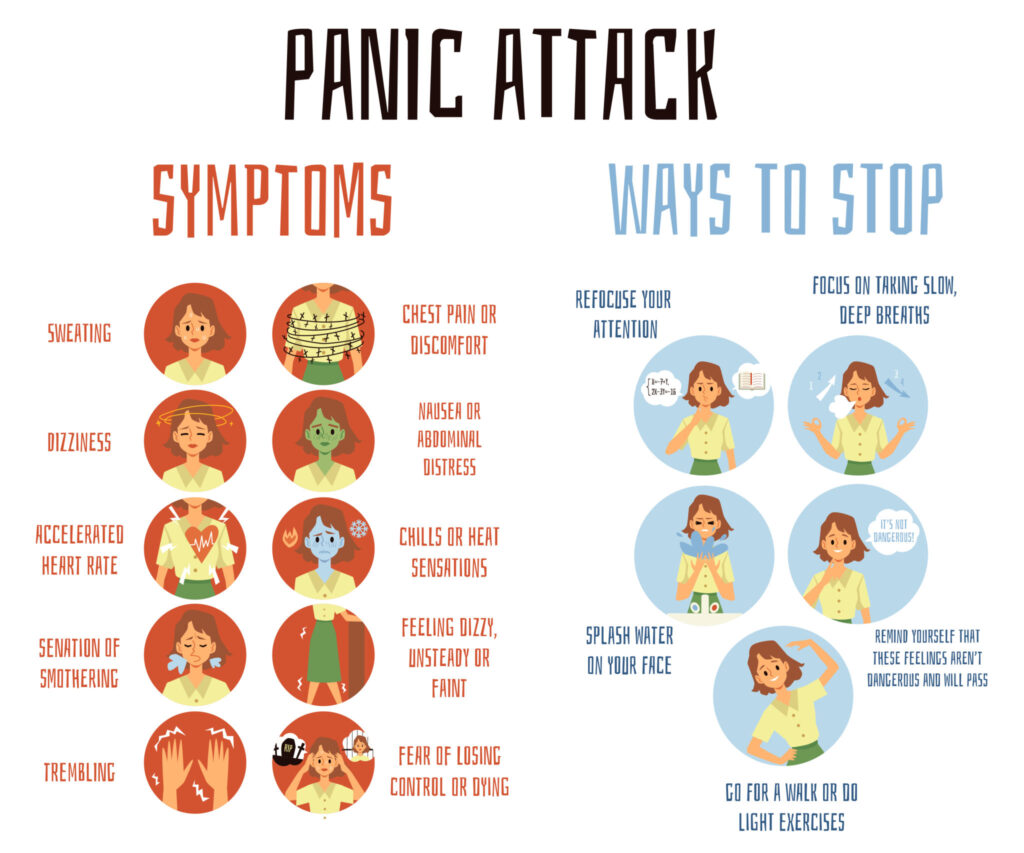
Panic attack symptoms and ways to stop – infographic poster with cartoon woman
Ways to Build a Social Support System
University at Buffalo has some solid suggestions for piecing together a support system that works for you. Consider these:
- Volunteer and Engage: Getting involved in community events, joining a sports team, starting a book club, mingling with neighbors, or even diving into professional groups can connect you with folks who share your interests.
- Utilize Online Resources: We may live in a digital age, but online communities and support groups can be golden. They offer a space for connection, shared experiences, and a bit of advice.
- Start or Join a Support Group: Creating a group focused on managing panic or jumping into one that’s already established can offer a safe spot for sharing and learning from experiences.
- Expand Your Social Circle: Make the effort to connect with coworkers, acquaintances, or friends of friends. Having a well-rounded support system means drawing from different parts of your life.
- Seek School Support Groups: Students, take note—school support groups can help when dealing with stress and offer peer support right on campus.
Investing time into growing and maintaining a social support system builds a strong base of care and encouragement crucial for tackling panic attacks. Remember, your relationships should lift you up and offer strength and understanding in your more vulnerable moments.
Establishing Relationships
When I started building a supportive network for managing my panic moments, I truly saw the worth of having solid people connections in your life, like family, friends, and work pals. These friendships and kinships really stand by you when things get tough and make you feel you’re not alone in your battles.
Family and Friends in the Support Network
Family and buddies are like emotional anchors, ready to steady you when you’re thrown off course. Picking folks for your support circle? Hunt for those empathetic, trustworthy souls who’ll really have your back. I’ve been surprised by reaching out to an old friend—which sometimes unearths a hidden treasure in our relationship. Especially family, they shower you with that unconditional love that feels like a warm, snug hug. It’s the kind of place where you can spill your thoughts and worries without fear of judgment.
Building trust and keeping the lines of communication open with your family is crucial. It’s like watering plants—spend time together, talk about what matters, and just tell them how grateful you are to have them around. This stuff strengthens your ties. Family and friends’ backing can change the way you handle those nerve-wracking panic moments.
Strengthening Connections with Colleagues
Now, while your inner circle covers personal support, co-workers can play a big part in the hustle and bustle of school or work life. Making those bonds tighter with colleagues can lead to a more peaceful and helpful environment. Give a shout out to mentors or a work buddy for some guiding words or just to share a coffee break—those small acts can build big bridges.
Colleagues can shine a whole different light on your work hurdles, offering advice that might just become your ‘aha’ moment. Trust, respect, and teamwork—these are the things that weave a good working relationship. By making friends with the folks at work, you’re essentially weaving a web of professional safety nets that not only help you through work but boost your growth altogether.
In the end, giving love and attention to relationships with family, friends, and colleagues leads to a strong foundation of support and encouragement. Surrounding yourself with these people who lift you up and have your best interest at heart is a game-changer in managing those overwhelming times. They can help you bounce back even stronger.
Expanding the Support Network
When it comes to managing panic, I’ve learned that having a supportive network is like holding onto a sturdy rope during a storm. By staying connected with people who genuinely care, I’ve found comfort and help when I need it most.
Connecting with Your Community
One great way to grow your support network is by reaching out to your community. It’s all about meeting neighbors, chatting with acquaintances, or even talking to those friends of friends at community events or casual hangouts. Want to see who’s out there? Social media and online groups can connect you with folks who’ve been through similar stuff.
Getting involved locally can be both fun and fulfilling. Whether it’s joining a local sports team, volunteering for a cause you care about, or showing up at community get-togethers, you’re not just making new friends; you’re finding people who genuinely get you. Each connection you make adds a unique type of support to your life that fits just right (Suicide Call Back Service).
Keeping in Touch
Staying in touch with those you care about—be it family, friends, or mentors—really counts. It strengthens the bonds and gives you a warm sense of safety and reassurance when times are tough. Providing support goes both ways; when we share our skills or lend an ear, we strengthen those ties even more.
Making time for your relationships means your support network stays strong and dependable. By keeping the lines open and offering help when you can, you’re building trust and understanding that’s rock solid. This effort is like adding bricks to a house—each one makes it sturdier, ready for any storm life throws your way (Suicide Call Back Service).
By reaching out to your community and cherishing the relationships you have, you’re not only finding your place but creating a safety net of people ready to back you up. Crafting a solid support system is a big step in making a warm, safe spot where you can find peace and motivation when life gets overwhelming.
Resources for Panic Management
Trying to get a grip on panic attacks is like wrestling a beast with no handbook. But hey, it’s not a solo act! Some priceless resources out there can help turn this into a tag-team effort. Let me guide you through some go-to resources that’ll hold your hand through the rocky ride. There’s some solid self-help stuff specifically for panic attacks, plus all sorts of goodies from the Anxiety and Depression Association of America (ADAA).
Self-Help Strategies for Panic Attacks
Let’s talk hands-on strategies for quelling the panic beast. Ever heard of “Facing Panic: Self Help for People with Panic Attacks”? It’s a gem from the Anxiety and Depression Association of America (ADAA). This ain’t just another book; it’s a tool kit, filled with real-deal exercises and tips to break that vicious panic cycle. Whether it’s calming techniques or mapping out the situations that send you spiraling, it’s all about mastering your mind.
This guide packs a punch with practical ways to track your progress. Ever tried using charts to map out your journey with calming skills? It’s like having a personal coach nudging you along toward real relief. You’ll nail those panic triggers and, with a bit of effort, reclaim your life inch by inch.
ADAA Resources for Panic Disorder
The Anxiety and Depression Association of America (ADAA) is a treasure chest for anyone stuck in the trenches of panic disorder. We’re talking webinars, videos, blogs, and real-life stories that’ll make you feel less alone and more equipped. It’s like having a squad of champions cheering you on.
A standout is that “Facing Panic” book, available in Kindle and hard copy. Whether you’re flipping pages or swiping digital content, it’s out there to give a comforting nod and lifeline. With insights and tools shared by ADAA, you’ll find connections that help map out your path to managing panic with some peace of mind. So, dive in and reclaim power over your well-being.