

 Childhood Trauma and Panic Attacks
Let’s have a heart-to-heart chat about a pretty sobering topic: how the rough patches of our childhood can haunt us with panic attacks later on. I’m not just talking about stubbed toes or losing your favorite toy, but real impactful stuff like the messy divorces, feeling forgotten, or being caught in a verbal crossfire. These heavyweight experiences in our early years seem to stick around, setting the stage for anxiety and panic to creep into our lives when we least expect it.
Impact of Childhood Trauma
Ever felt like you’re carrying a backpack full of bricks? That’s kinda what unresolved childhood trauma feels like as you grow older. Kids who go through such tough times often don’t get a manual for handling their emotions. This can make them more likely to face anxiety or panic attacks. It’s like an emotional inheritance nobody asked for. Spotting these signs early and lending a helping hand is crucial. We can’t always prevent these mental roadblocks, but with support, they don’t have to define you.
Childhood Trauma Predictors
Figuring out if childhood trauma will lead to panic attacks is a bit like solving a mystery. It’s not just one thing; there’s a mix of clues involved. For instance, childhood sexual abuse, a past filled with anxiety or depression, and moments during trauma when you dissociate are some possible clues. Interestingly, simply having gone through trauma before or feeling depressed might not automatically lead to panic attacks later on (PMC).
Getting our heads around how childhood dramas connect to those heart-pounding panic moments is key. When we spot those early twinges of trouble, we can step in with the right kind of support and maybe steer the story towards healing. No promises it’s easy, but reaching for understanding can lighten the load that’s been carried way too long.
Trauma Survivors and Panic
I’ve personally grappled with trauma, and let me tell you, it’s a wild ride that often comes with panic attacks as a souvenir. Figuring out how deep-rooted trauma and those terrifying panic episodes connect played a big part in finding my way back to feeling human again.
Panic Post-Trauma
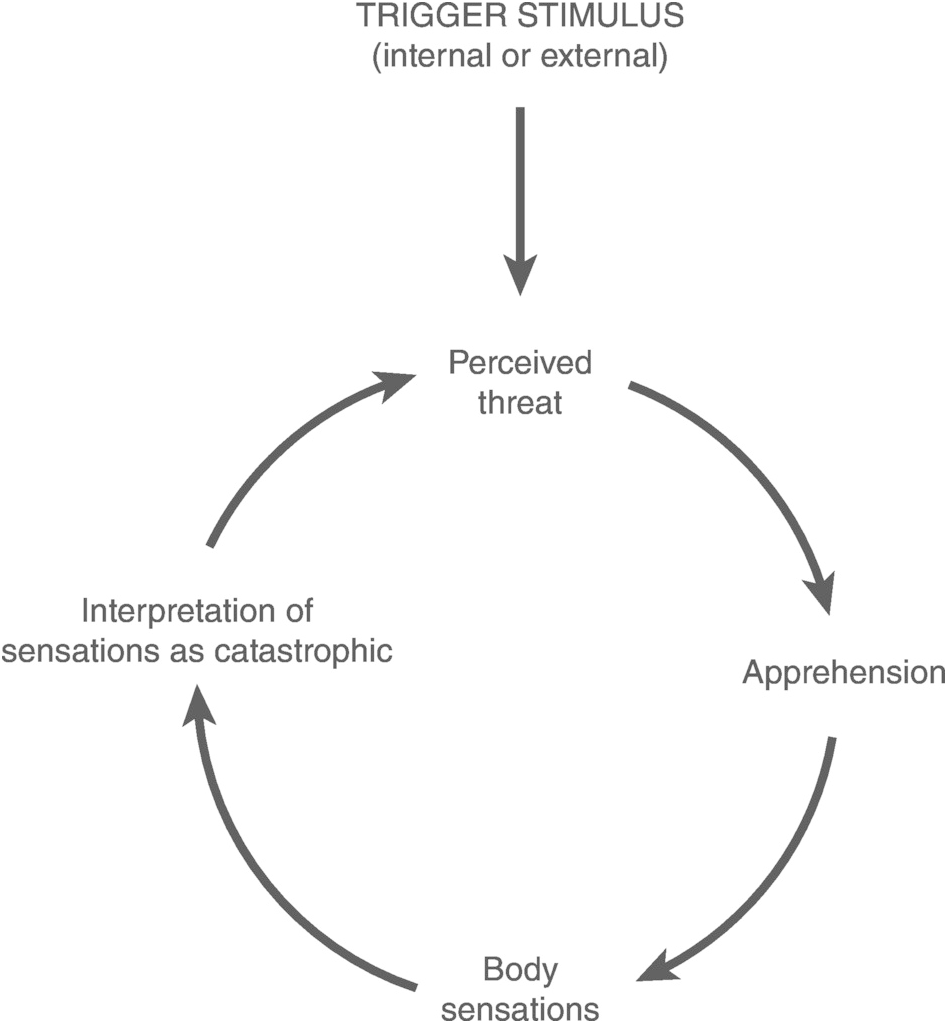
After something traumatic hits you like a ton of bricks, you’re left dealing with a rollercoaster of emotions and body reactions, panic attacks being among them. These sudden bursts of terror and worry can be set off by anything reminding you of the trauma, making your heart race and your palms sweat.
You might feel like you’re constantly under a black cloud, making it even easier for these panic attacks to sneak up on you. Acknowledging and confronting these fears head-on is vital to keep them from spiraling out of control.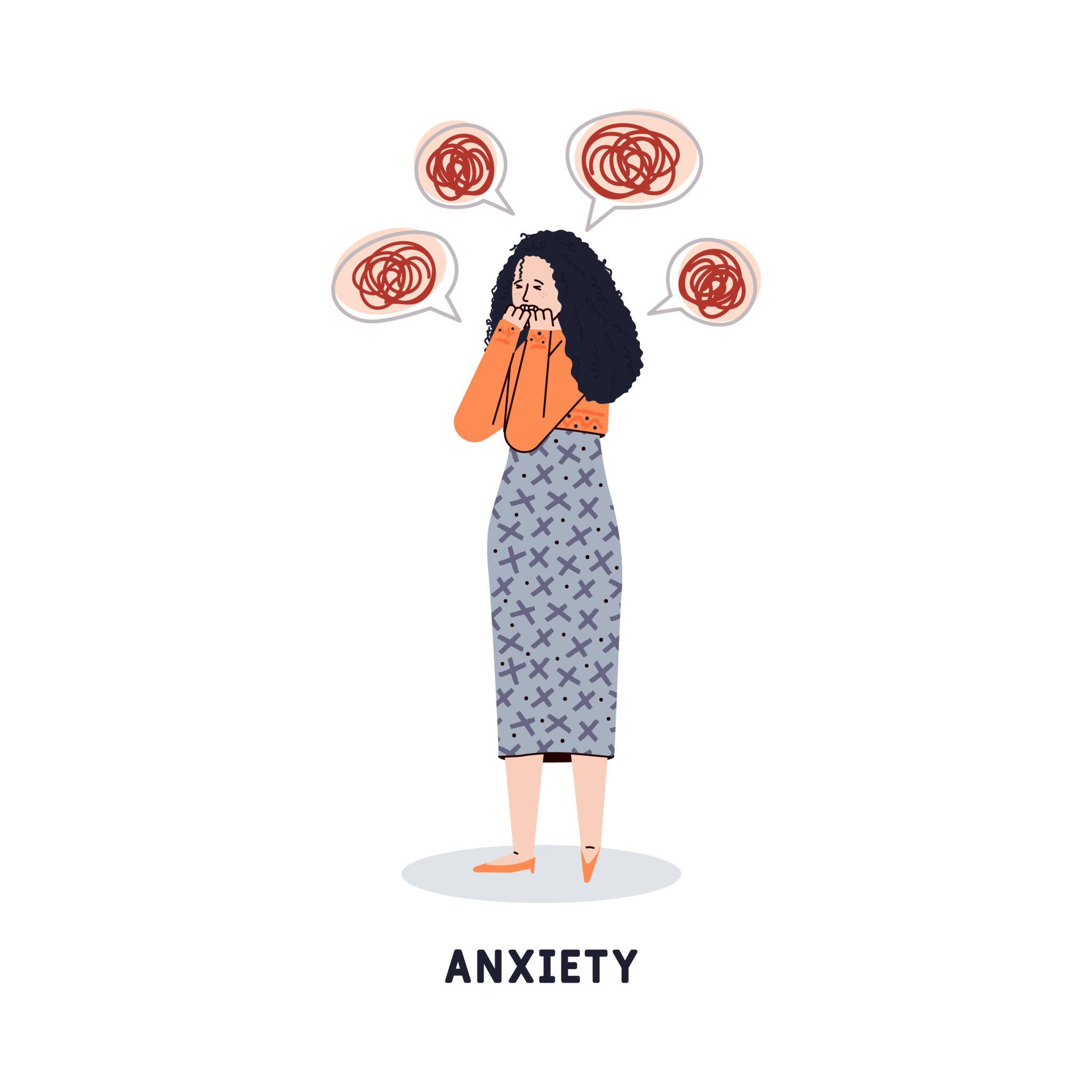
Rates of Peritraumatic Panic
Here’s a number for you: somewhere between 53% to 90% of trauma survivors face panic attacks right after a traumatic shock, according to studies.
This staggering number shows just how tied up trauma and panic disorders are. These instant panic fits can seriously mess with your headspace and emotional health, making it harder to deal with life post-trauma.
Getting a grip on how common these panic attacks are right after trauma helps in offering the right help to those caught in this storm. Spotting and tackling these panic signs early can lead you towards finding calm and getting your feet back on solid ground.
Treading through the chaos of trauma and panic is no small feat—it takes empathy, understanding, and maybe some expert advice. By piecing together how trauma triggers panic, we make strides toward healing and rebuilding a sense of safety and peace.
Trauma’s Role in Panic Development
Thinking back on my own journey, it’s clear to me how tightly trauma is linked to those gut-punch moments of panic. Seeing how trauma and panic attacks connect makes managing them a bit easier, even if they’re still pesky.
Link Between Trauma and Panic
Turns out, science backs up what many feel – the scars of trauma can mess with your mind and body. When life’s wild swings happen too young, they leave a mark. Survivors find themselves battling everything from booze to sneaky mental gremlins, which can kickstart panic episodes.
Panic Triggers and Trauma
Trauma isn’t kind and has various ways of creeping into daily life, panic being one of them. Things like childhood sexual abuse, living with anxiety or depression, feeling spaced out during the trauma, and old run-ins with PTSD often leave a trail that leads to panic (PMC).
Studies show that panic after trauma makes therapy more of a chore and explains why folks with PTSD hit the avoidance button (PMC). It’s a mixed bag where childhood woes, mental health battles, and dissociative states all play a part.
Spotting how trauma and panic are bedfellows is crucial for therapy. By getting real about how trauma throws fuel on the panic fire, folks can start making sense of the emotional spaghetti and switch off some harsh triggers. Hunting down a good therapist and jumping into therapies with a track record can change the game, leading to a brighter tomorrow when trauma throws a panic party.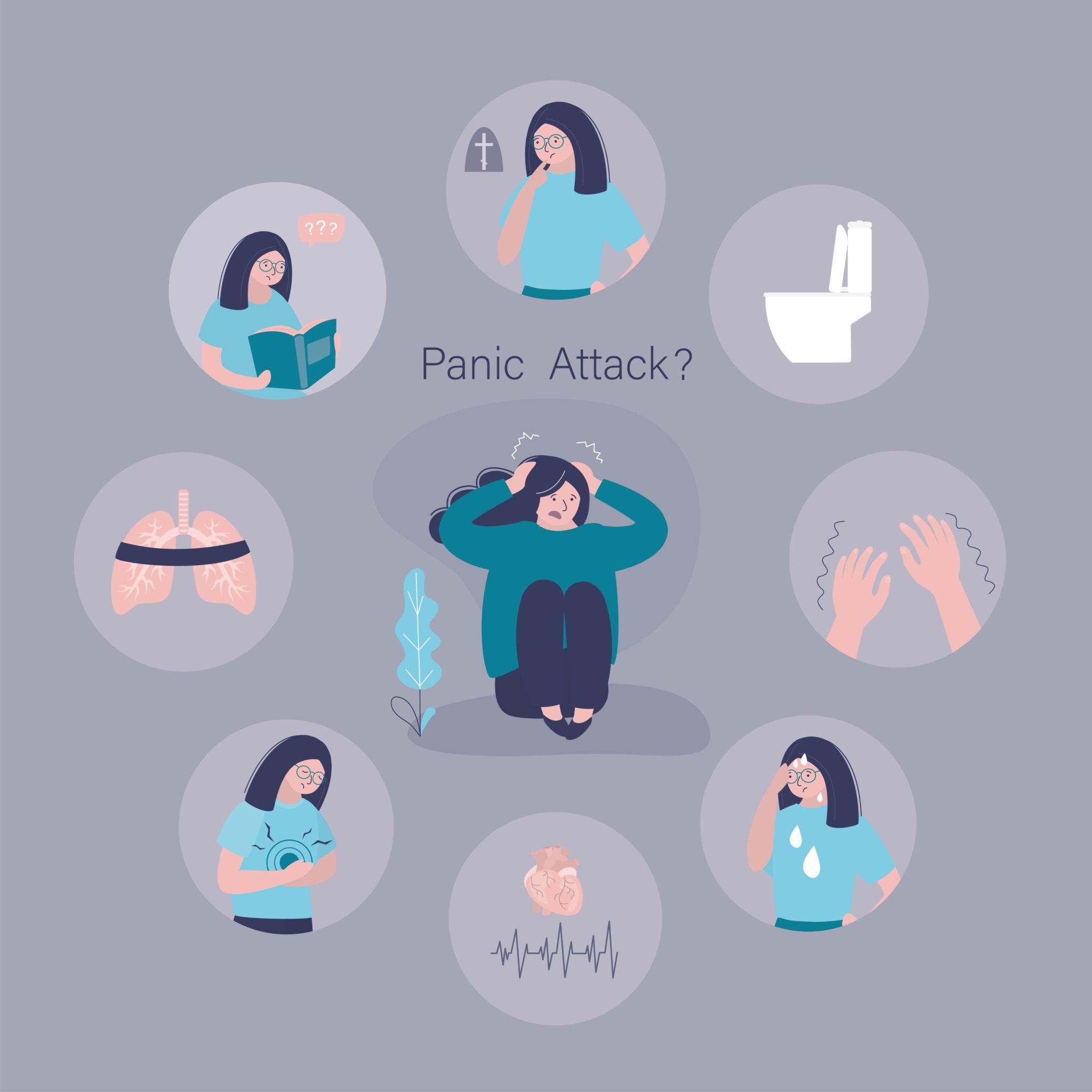
Understanding Panic Attacks
Let’s chat about panic attacks—the sudden wave of fear or discomfort that crashes over you, leaving you breathless, sweaty, and absolutely sure the sky’s about to fall. If you’ve been there, trust me, you’re not alone.
Panic Attack Characteristics
These intense episodes can hit like a storm outta nowhere, with symptoms that could have you convinced you’re having a heart attack. We’re talkin’ heart racing, shaking, sweating bullets, and feeling like you’re about to meet your end. They typically stick around for 5 to 20 minutes, but some folks have tales of them stretching up to an hour. Not fun and definitely keeps you on your toes (Cleveland Clinic).
Gender Disparities in Panic
Now, when it comes to panic disorders, they’re pretty common. Around 11% of us will face a panic attack every year here in the U.S. (Cleveland Clinic). But out of those, about 2% to 3% are dealing with the big one—panic disorder itself. Here’s somethin’ interesting: folks assigned female at birth (AFAB) are two times more likely to get hit with panic disorder compared to those assigned male (AMAB) (Cleveland Clinic).
So what’s the deal? Panic attacks mix up a cocktail of body and mind stuff, which makes dealing with them a bit of a tricky dance. Understanding what makes you tick and recognizing how gender can play a role helps folks deal with these pesky episodes a bit better. With a sprinkle of empathy and understanding, getting through those panic-filled moments gets a little more manageable.
Brain Chemistry and Panic
I’m diving deep into understanding panic attacks and how they’re tied up with trauma. Getting to grips with the brain’s chemistry gives me a sneak peek into what’s happening in there during a panic attack. It’s like trying to solve a mystery, and the clues lead me to some surprising connections.
Brain Dysfunction in Panic
Let’s talk about the amygdala. This little almond-shaped bit of the brain is a big shot when it comes to emotions like fear. When it goes on the fritz, panic attacks can crash the party. According to what I’ve read over at the Cleveland Clinic, when the amygdala decides to overreact, it can make a mountain out of a molehill, making you feel like danger is lurking around every corner. Often, it’s old traumas that twist the dials up to eleven, leaving lasting impressions on how emotions get processed in your noggin.
Neurotransmitters and Panic
Picture this: our brain is bustling with chemical messengers zooming around, making sure everything is just right. When neurotransmitters like GABA, cortisol, and serotonin start playing their own tune, things can go haywire. The Cleveland Clinic backs this up, pointing out how these chemical missteps can fan the flames of anxiety, get the fear circuits all riled up, and make you stress out like never before.
Figuring out the scramble of chemicals floating around in the brain is like getting a backstage pass to the show about panic attacks. By seeing how these little messengers boss around your mood, stress, and anxiety, folks struggling with panic disorders can look into treatments that might bring some peace to their brain’s riot act.
In my quest to figure out the trauma-panic link, poking around in brain chemistry reveals a web that’s anything but simple. By untangling the brain’s snafus and eyeing the mess neurotransmitters can make, anyone dealing with panic attacks rooted in trauma can start paving a road to feeling better again.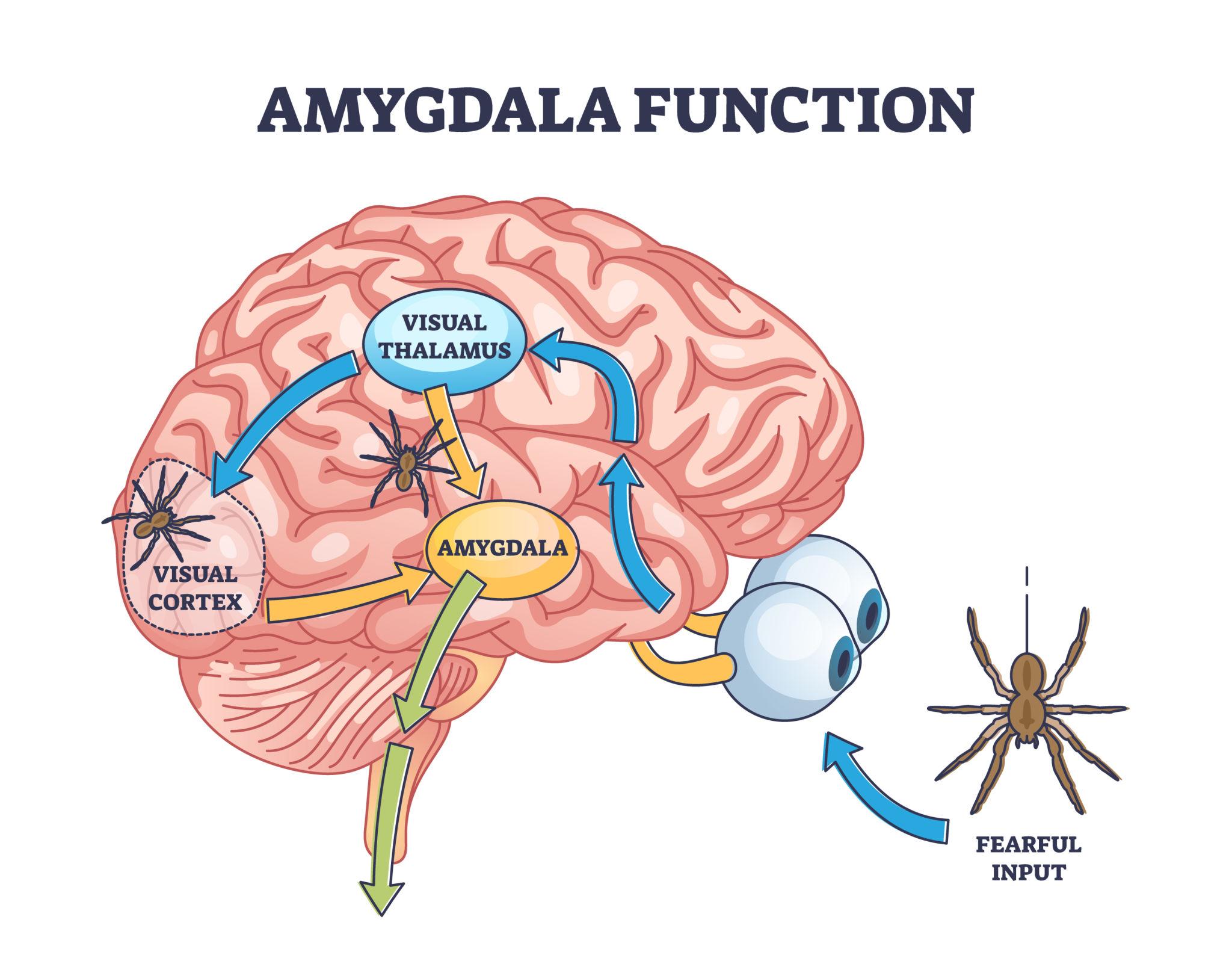
Treatment Approaches for Panic
Let me tell ya, tackling panic attacks and panic disorder isn’t a one-size-fits-all kinda deal. You’ve got psychotherapy on one hand, medication on the other, both tag-teaming to give folks some much-needed relief. Let’s chat about how these approaches lend a helping hand when those panic gremlins strike.
Psychotherapy for Panic
Psychotherapy’s like the MVP for folks dealing with panic attacks, especially when cognitive behavioral therapy (CBT) gets tossed in the mix. It’s like peeling back the layers of your mind, shining a light on those pesky panic triggers, and coaching you on how to handle them better. Through CBT, it’s like getting a front-row seat to your own brain’s drama, learning to hit pause, rewind, and replay situations to teach fear to take a backseat. Slowly but surely, it can help you chill out about those dreaded panic-inducing situations in a safe, controlled setting. This isn’t an overnight magic fix, though. Results might sneak up after a few weeks, and often, those annoying symptoms kick rocks within months. Sometimes, you might wanna pop in for a chat with your therapist to keep things in check and nip any sneaky relapses in the bud.
Medication and Panic Management
Now, medications? They’re like the sidekicks to therapy’s superhero—really handy, especially if depression’s crashing the party with panic. Doctors might prescribe something like antidepressants or anti-anxiety meds to keep those feelings from spiraling outta control. But picking the right med is kinda like trying on shoes; you’ve got to find the one that fits and doesn’t give you blisters by way of side effects.
It’s all about the waiting game; patience is key since improvements might take a minute, or several weeks, to kick in. Regular check-ins with healthcare pros are important to ensure the ship’s headed in the right direction and to make changes if needed. It’s a team effort, finding that medication sweet spot without the uninvited side effect baggage.
Besides the big guns of therapy and meds, simple lifestyle tweaks and home remedies can lend a hand too—a little yoga here, a bit of meditating there, they all help add up to less panic over time. Exploring options like dietary supplements, though intriguing, still needs more scientific backing. Yeah, they’re up-and-coming, but they’re no home run just yet.
Combining therapy, medication, and those little healthy lifestyle nuggets, practice makes progress in managing panic. It’s all about cherry-picking what works for you and crafting a plan as unique as your fingerprint. It’s a gentle nudge towards feeling like the best version of yourself—panic-free and thriving.