
Coping with Traumatic Events
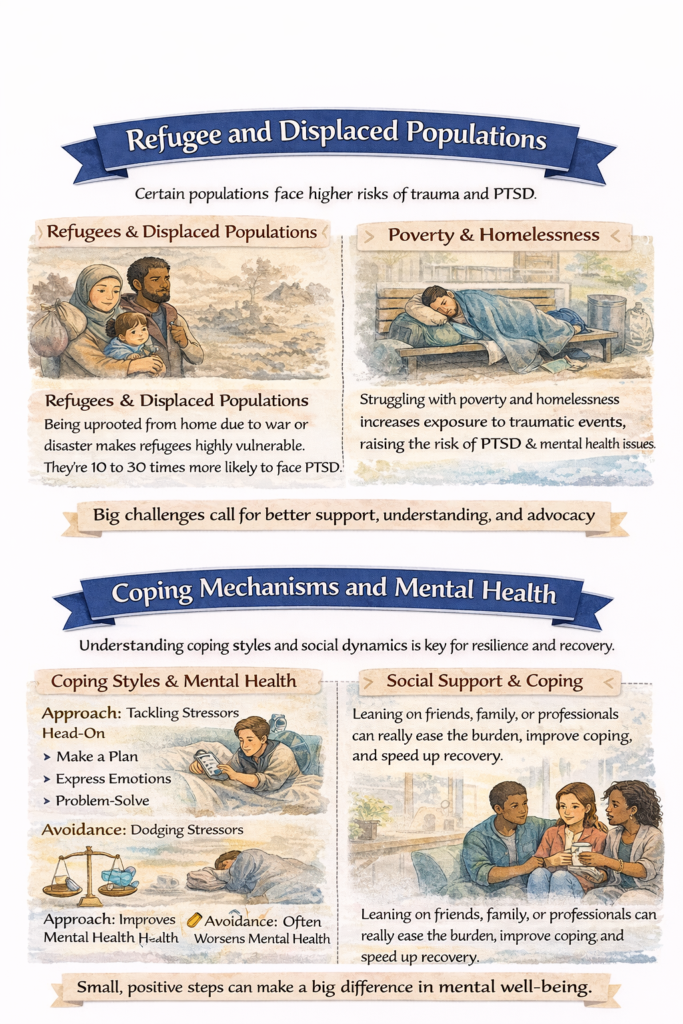
Dealing with traumatic events can really throw you for a loop. It’s normal to go through a rollercoaster of emotions both before and after such experiences. Now, there’s no magic formula for how you should feel, but finding healthy ways to cope is key to getting through tough times (SAMHSA).
Emotions Before and After
Before something stressful goes down, it’s common to feel anxious, scared, or just stuck in a fog. Afterward, you might feel a mix of shock, disbelief, anger, or even deep sadness. It’s perfectly okay to feel this way. The important thing is to acknowledge these feelings and look for some support to help you move forward.
Preparation and Coping
Being ready for whatever life throws at you can really help you deal with trauma. Think of it like packing a mental and emotional bag of tricks. Having a plan and a few self-care strategies up your sleeve can help build your resilience and keep stress in check during a crisis (SAMHSA).
Support Systems and Resilience
When it comes to getting through traumatic events, building a circle of support is a game-changer. Lean on understanding friends, seek out professional help when necessary, and engage in activities that boost your resilience. These strategies can help you manage stress and put you on the path to healing (Stanford University Faculty Staff Help Center).
Just remember, healing from trauma is a journey, different for everyone. While many folks find their symptoms fade with time, some might experience ongoing issues that could be signs of PTSD (NIMH). It’s important to recognize that healing takes time and getting the right professional help can make a big difference (VA National Center for PTSD).
By understanding your feelings, getting ready for tough situations, and connecting with your support network, you can weather the storm of traumatic events with newfound strength and resilience. These coping strategies are crucial for taking charge of your mental well-being and finding empowerment in the face of life’s challenges.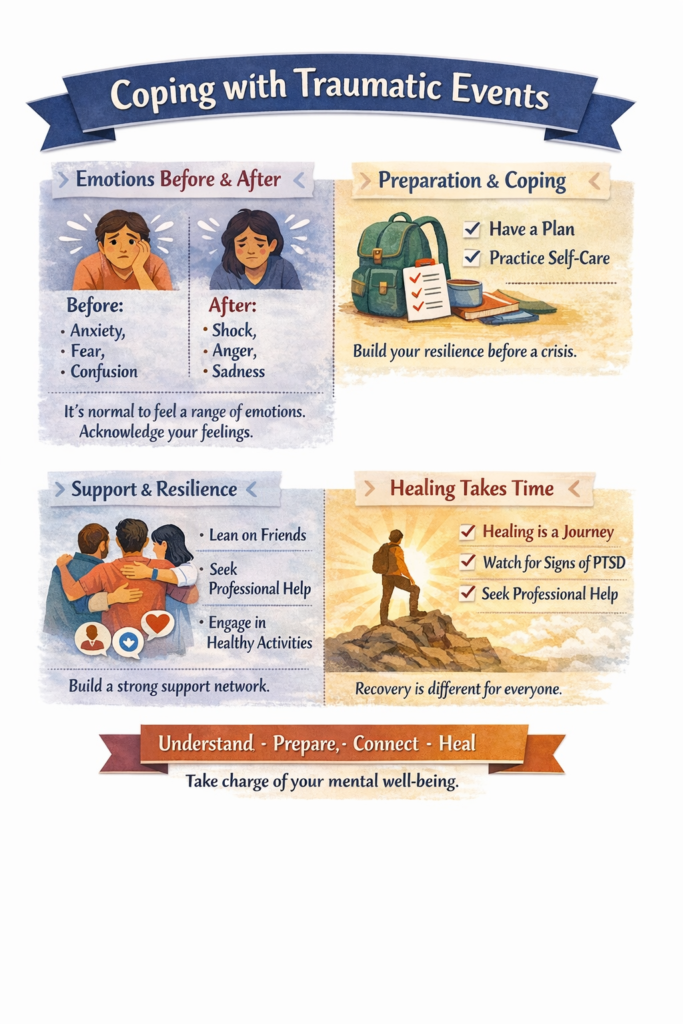
Coping Strategies for Children
Dealing with tough times can be particularly challenging for kids, who often find it hard to put their feelings into words. It’s super important to get creative and supportive to help them cope. Here’s how you can help kids handle tough situations with three solid strategies.
Talking and Listening
Kids need a comfy space to chat and be heard, especially during hard times. Just being there to listen can do wonders. Ask open-ended questions like, “How are you feeling today?” This lets them open up about their worries or fears. Encourage them to share what’s on their mind, and let them know their feelings matter. Listening with empathy lets children know it’s okay to feel what they feel and paves the way for healing (Stanford University Faculty Staff Help Center).
Creative Expression
Sometimes, words just don’t cut it. For those moments, creativity can be the magic wand. Drawing, painting, building models, or even banging on a drum can help kids express feelings that are hard to say aloud. These creative channels let kids show what’s going on inside, helping them to unpack their emotions.
When my niece went through a rough patch, her parents set up a little art station at home. Watching her paint or mold clay was like seeing her turn tangled thoughts into something she could manage. It gave her a sense of control when everything else felt uncertain.
Reassurance and Action
When life throws curveballs, kids need to know they’re safe. Giving them lots of reassurance helps ease fears and brings back a bit of normalcy. Also, getting them involved in activities or decisions can work wonders for confidence. Whether it’s deciding what to have for dinner, or picking the next family game, small choices help them feel in control and hopeful about the days ahead.
Different kids, different reactions. Little ones might cling to you or have more tantrums, while older kids might act out or feel guilty for no good reason (NIMH). Recognizing how each child responds is key to helping them through the storm. Tailor the talk, unleash the creativity, sprinkle in reassurance and get them involved—it’s like coaching them through a tough game with a winning strategy.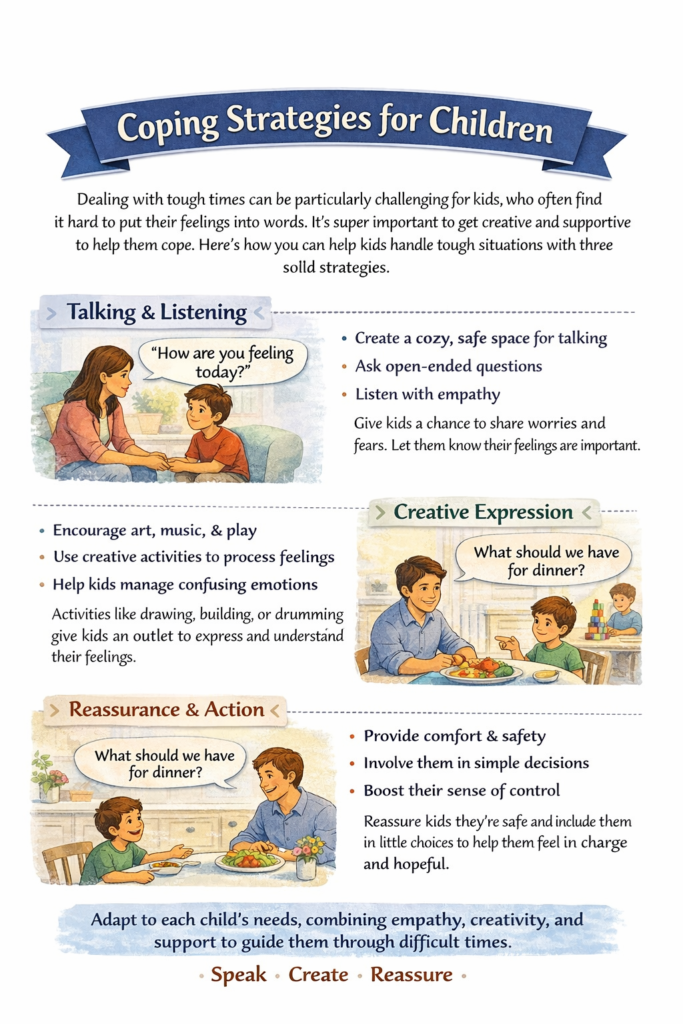
Recognizing Trauma Symptoms
Spotting trauma’s tell-tale signs is like having a flashlight in the dark. It’s key to know when something’s off in yourself or others. Why? Well, catching these signals early means getting the right help sooner. It shows up in many forms: changes in the body, who might be more at risk, and how kids behave.
Physical Responses
When your body gives you a heads up that something rough happened, it’s not subtle. We’re talkin’ about a racing pulse, your chest feeling like it’s running a marathon, muscles tighter than a drum, pouring sweat, or that dizzy spell that makes you wonder if you need to sit down (thanks, NIMH). These signs shout, “Something’s wrong!” Nip stress in the bud, or it might snowball into severe issues like panic attacks or sleepless nights.
Risk Factors
Picture this: some folks are like sponges for stress. They soak up bad vibes quicker than others. Why? Personal stuff, like a history of mental struggles, past traumatic blows, life’s ongoing stress parade, or having nobody in their corner to lean on (thanks again, NIMH). Knowing what makes people more prone to distress keeps us sharp on who might need a little extra TLC and backup.
Children’s Reactions
Kids have their own way of waving a red flag when trauma hits. Tiny tots under six might go full-blown emotional, while the older crew can act out or bottle up, swinging from guilt to grumpy to downright destructive (NIMH). Get clued in to these age-specific behaviors so you can help kids through their storm.
Teenagers might mirror adult patterns, causing drama, shouldering guilt for not stopping bad things, or dreaming of payback. Their guilt can sneak in, making the trauma aftermath trickier (NIMH). With these insights, caregivers, teachers, and mental health buffs can tailor their help, easing kids’ emotional wounds.
Being their rock, offering info they can digest, and letting them vent is like giving them a lifebuoy in choppy emotional waters. Spot those trauma cues early, and start mending fences for healing and bouncing back.
Recovery and Post-Traumatic Stress
When life’s rollercoaster takes a nosedive, folks gotta get their heads around what hit ’em, maybe get some pro help, and buckle up for the time it takes to heal from the chaos life sometimes throws our way.
Symptoms and Recovery
Been through the wringer, have you? It’s no picnic, but you’re not alone if you find yourself haunted by echoes of the past, with sleepless nights and nerves that feel ready to pop (NIMH). Most folks bounce back after a bit of time, but if you’re feeling stuck in a loop of bad memories and jumpiness, that could be the telltale sign of post-traumatic stress disorder, or PTSD.
First things first, recognizing when you’re more than just shaken is crucial to getting better. It’s all about spotting those signs and tackling them head-on. Recovery ain’t always a fast track, but knowing it’s a marathon, not a sprint, might be your guiding star (VA National Center for PTSD).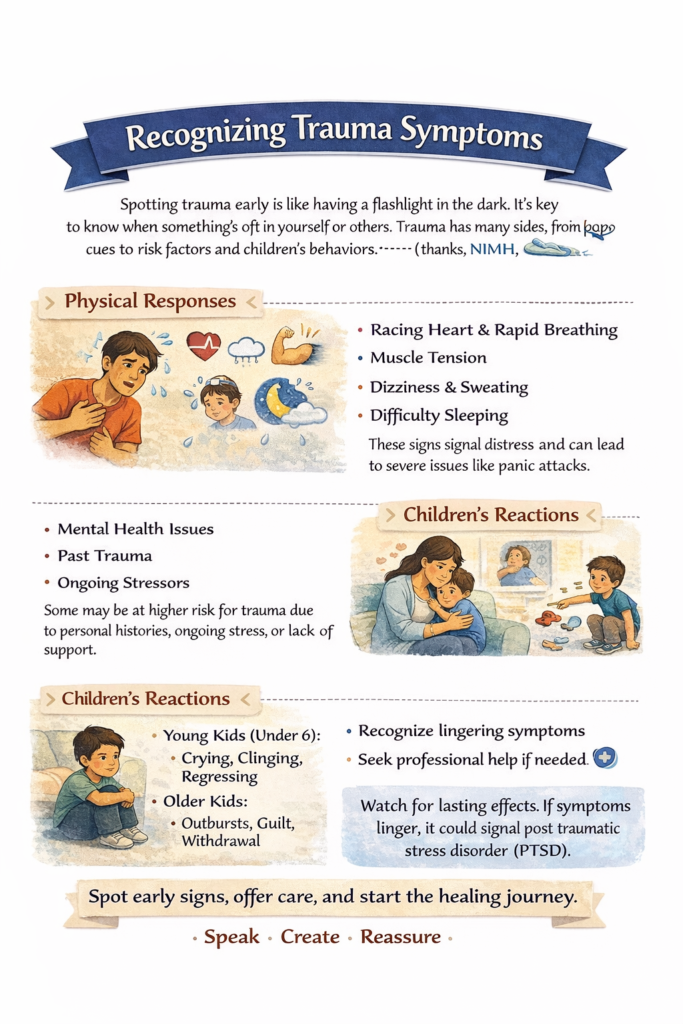
Seeking Professional Help
When handling things on your own isn’t cutting it or things are getting worse instead of better, it’s time to call in the pros. Doc or a counselor, someone who knows the ropes, can be the game-changer. They’ve got tools like trauma-focused therapy or meds to help sort things out.
And you know what? There’s no shame in it. Reaching out for help is like grabbing a lifeline that can keep you afloat when the waves of stress start getting too high. It’s about getting that extra push when you need it most.
Long-Term Healing Process
Healing’s not just a bandaid for the here and now. It’s about taking it one day at a time, learning the art of looking after you, and leaning on the folks who’ve got your back.
Understand that this kind of thing doesn’t just poof and disappear overnight. But hey, that doesn’t mean you’re powerless. Educating yourself about what’s going on can open your eyes wider than a hot cup of joe, helping you feel less like you’re on a lonely island.
By stepping into the ring of recovery, using the right mix of support and strategies, you’re not just surviving—you’re on the road to something stronger. That’s where the grit and resilience come in. One step at a time, you can rewrite your story beyond the stress.
Vulnerable Populations and Trauma
When I think about how folks deal with traumatic events, it’s clear that some groups really feel the hit more than others. Refugees, individuals facing poverty, and those enduring discrimination have unique struggles that need our understanding and support to make a real difference.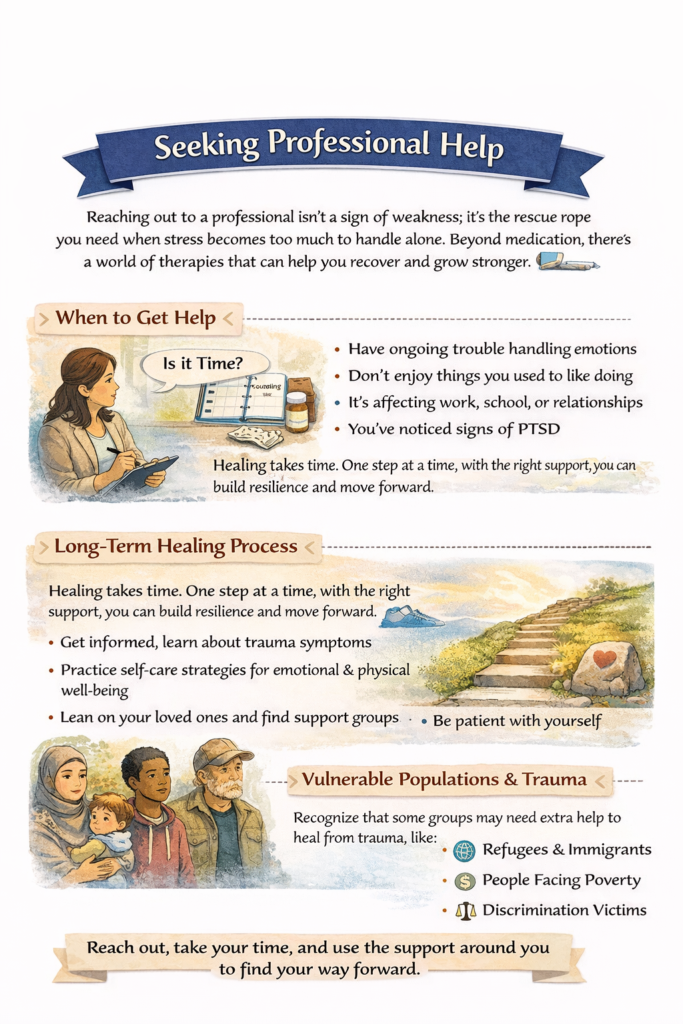
Refugee and Displaced Populations
Have you ever stopped to consider what life is like for refugees? Imagine being yanked away from your home and familiar surroundings because of war or disaster. Those who’ve been displaced or have no homeland are super vulnerable to trauma and PTSD. Research points out that these folks are 10 to 30 times more likely to struggle with PTSD after such upheaval. Being forced away from your roots, dealing with violence, and losing so much, sets the stage for mental health challenges.
Poverty and Homelessness
Poverty isn’t just about not having enough cash—it’s about increased exposure to trauma. Those caught in the poverty cycle, or without a home, face even higher risks. Not having a roof over your head or basic needs met ups the odds of experiencing traumatic events, which can snowball into PTSD and mental turmoil. A proper response here is more than just band-aid solutions; it’s about addressing both immediate pain and deeper social issues.
Discrimination and Trauma
Did you know that discrimination leaves scars too? When people are treated differently based on gender, sexual orientation, or other identity factors, it can lead to serious psychological distress. Conflicts between personal identity and societal expectations put individuals at risk of traumatic victimization. Studies stress that dealing with discrimination and stigma can mess with mental health long-term, highlighting why it’s crucial to fight inequalities and build supportive spaces.
Culture plays its part too—it shapes how people handle tough times. For instance, Asian Americans might keep their feelings bottled up, while African Americans could dive into problem-solving, leaning on spirituality for strength. Knowing how different cultures approach trauma helps us provide better support to those grappling with life-changing events.
Coping Mechanisms and Mental Health
When life’s chaos turns up the heat, knowing how we deal with stress is crucial, especially for those on the front lines like first responders and emergency personnel, who face intense situations regularly. How we cope can shape how we bounce back from tough moments. Let’s dive into three ways we deal with stress—coping styles, choosing a fight or flight response, and leaning on our social circles.
Coping Styles and Mental Health
How we handle the tough stuff defines our journey through stress and its impact on our minds. Science tells us that actively tackling stressors, like facing them head-on, solving problems, and expressing emotions, usually leads to better mental health, according to NCBI. Folks who choose avoidance strategies—where they dodge thinking or talking about what’s bothering them, maybe through distraction or even substance use—often find themselves in a tangle of emotional troubles. Getting a grip on our coping styles can help pave the way for bouncing back after a hard time.
Approach vs. Avoidance Coping
Choosing to stand up to stress versus dodging it makes a world of difference. Research from PubMed Central shows that facing stress straight on, reaching out for a chat, and solving issues actively leads to better mental health than turning away. Avoidant types might find it tough to process what’s going on and might lean on unhealthy habits. Recognizing your coping style is a step towards better mental health after a rough patch.
Social Support and Coping
Reaching out when things are tough is more than just finding a shoulder to cry on. Building a circle of trust with friends or professionals gives us comfort and proves crucial for weathering the storm. According to insights in PubMed Central, sharing our worries with others makes our mental load lighter. This kind of support boosts our coping ability and helps faster recovery. Keeping communication lines open, nurturing friendships, and seeking out help when things get heavy can greatly enhance our mental outlook.
Grasping how we react to stress through coping styles, deciding to fight or flee, and reaching out to others becomes especially important for first responders, healthcare workers, and anyone knee-deep in crisis. Understanding these dynamics helps us better sail through life’s storms and protect our mental health for the long haul.