
Understanding Critical Incident Stress
When it comes to dealing with critical incident stress management, it’s all about understanding what makes critical incident stress tick so you can jump in and help when needed. Here, let’s break down what it is, how long it sticks around, and what signs to look out for.
Definition and Scope
Think of critical incident stress as the emotional aftermath that hits folks after they’ve faced something shocking or scary. We’re talking natural disasters, car pileups, violent outbursts—anything that leaves your brain feeling sucker-punched. This isn’t just for the folks right in the thick of it. Imagine firefighters, ER staff, and even bystanders can feel this hit. According to the folks at OSHA, it’s about those gut-wrenching moments that make it hard to think straight or act like your usual self. Critical incident stress management is all about swooping in with the right support to help folks bounce back and keep going.
Duration and Symptoms
Typically, folks wrestle with critical incident stress for anywhere between two to four weeks after a tragedy hits. During this whirlwind, you might notice people:
- Feeling like they’re living in a constant state of anxiety and tension
- Battling a stream of upsetting memories and thoughts
- Taking an emotional rollercoaster ride with wild mood swings
- Experiencing changes in what or how they eat and sleep
- Steering clear of anything that reminds them of what happened
- Complaining about headaches, sore muscles, or stomachaches
It’s up to workplaces, leaders, and mental health peeps to keep an eye out for these symptoms and step up with help. Great support during this time can really make a difference, allowing folks to deal with the chaos and come out stronger on the other side. Understanding what this stress looks like and how long it hangs around is the first step in offering a helping hand.
Components of Critical Incident Stress Management
When life throws a curveball and people are caught in the whirlwind of traumatic events, critical incident stress management is like a steady hand, guiding them back to solid ground. Consisting of a handful of essential elements, it’s all about offering a comforting chat, practical help, and that feeling of “Yeah, I got this!” It’s less about the mind-boggling jargon and more about understanding, engaging, and getting folks back on their feet.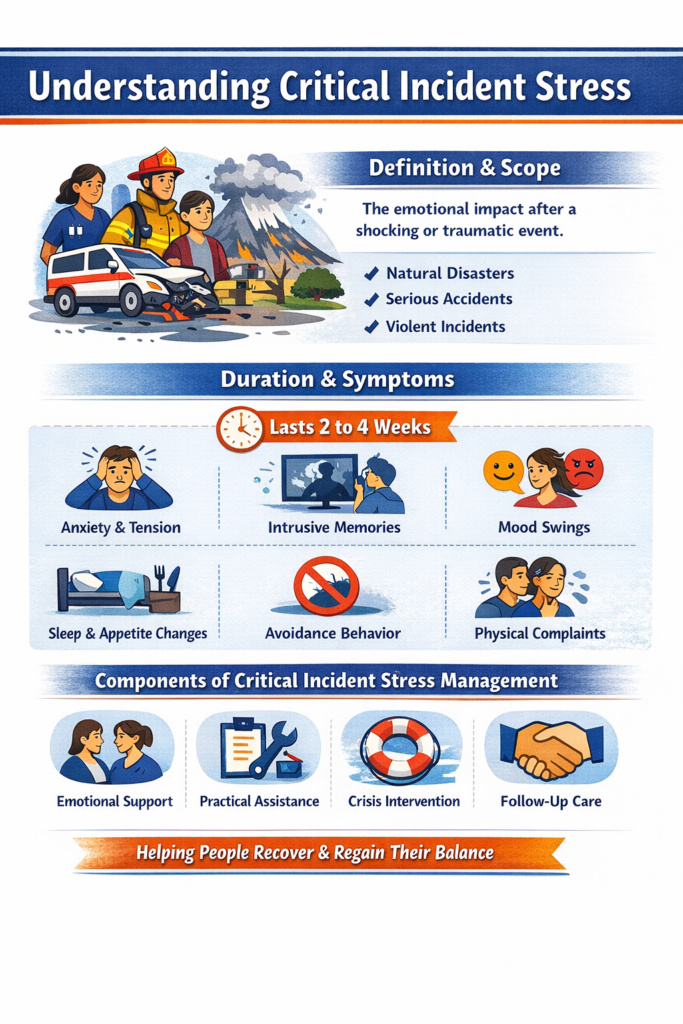
Crisis Intervention Programs
Imagine crisis intervention programs as your favorite GPS that reroutes you when you take a wrong turn. These programs pop up when things go south, offering instant backup for those facing a traumatic experience. Just like a close buddy who’s there with a plate of cookies and a listening ear, they kick in right when stress is sky-high, easing those immediate freak-outs and helping folks regain their cool.
Having a solid plan isn’t just for superheroes. Organizations and employers need these crisis blueprints ready to roll. It’s vital for the wellbeing of everyone, from paramedics to healthcare workers, and anyone else who’s had a rough day at the ‘office’.
Interventions and Protocols
Think of interventions and protocols as the secret playlist to soothe your soul. They’re the step-by-step guides helping people handle stress like a pro. Whether it’s psychological debriefing techniques, crisis intervention counseling techniques, or stress management tricks, these strategies are tailored to support folks when they need it most.
Offering ways to unpack emotions, dial down stress, and build lasting strength, these protocols are the toolkit for anyone from mental health pros to emergency peeps who need to lend a hand in the chaos and lend some sanity to those caught in the mess of it all.
Effectiveness and Challenges
Sure, these programs are epic in swooping in to soften the blow of traumatic events, but let’s not kid ourselves, they’ve got their quirks. Checking how well interventions work is crucial; it’s not all smooth sailing. Resources might be tight, reactions to help can vary like a cat’s mood, and it doesn’t stop at one visit—ongoing support is often key.
But no worries—mapping out these bumps ensures these plans deliver with style and efficiency. So, whether you’re a brainy practitioner, a first responder, or a heads-up organization, embracing these elements can ease the sting of trauma, fostering a smoother journey toward healing and confidence for anyone facing tough times.
Strategies in Critical Incident Stress Management
When life throws a real curveball and things go sideways, it’s essential to lend a helping hand with some solid strategies for dealing with the stress aftermath. Think of it like having a toolkit filled with crisis intervention tactics, crisis intervention briefings, and critical incident stress debriefing (CISD) methods. These are the big guns in our critical incident stress management (CISM) arsenal.
Crisis Intervention Tactics
Crisis intervention tactics are kinda like being a mental first responder. You rush in, cool off the stress, and help folks get their bearings. It’s about giving that immediate lift, like a psychological “you got this!” These tactics are all about emotional first aid and quickly figuring out what someone needs right after a big scare. To make it work, you gotta look at who’s affected and figure out the best way to help them calm down and bounce back from the jitters.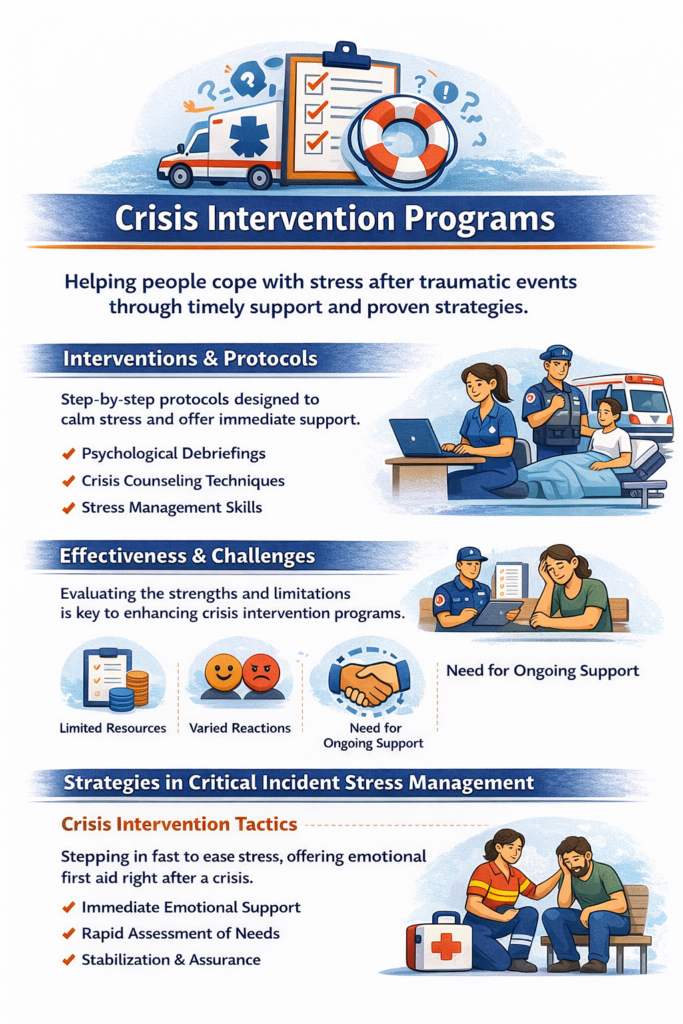
Crisis Intervention Briefing
Alright, picture this. Everyone sits down for a chat—a crisis intervention briefing. Here, it’s about sharing the 411 on how to handle stress, what help’s out there, and just feeling like you ain’t going through this alone. It’s where leaders can show they really care, shutting down any gossip, and keeping the air clear. This little pow-wow keeps everyone in the loop and helps build a little community vibe when things feel shaky.
Critical Incident Stress Debriefing
Cue up a bit of chit-chat therapy; that’s what Critical Incident Stress Debriefing (CISD) is all about. It’s where folks can open up, talk about what rattled them, and hear back from others in the same boat. It’s like getting a group hug but with words. CISD lets you dive into your thoughts, learn some new ways to cope, and feel the support from peers. But here’s the thing—it’s a voluntary gig. No pressure allowed; everyone’s gotta feel they’re guiding their own healing journey.
When you weave these crisis intervention tactics, briefings, and debriefings into the bigger picture of CISM, you’re setting up a solid support system. It’s a way for organizations and professionals to stand by in tough times, helping to shore up mental strength, ease recovery, and build an environment of care when the dust settles after life’s truly hairy moments.
Key Components of CISM
When dealing with life’s unexpected twists and turns, especially in critical incident stress management, there are some things you just can’t ignore. We’re talking about prepping ahead of time, checking in after the dust settles, and making sure the whole team has got your back. It’s about being ready for anything, bouncing back like a pro, and knowing your squad’s got you covered.
Pre-incident Preparation
You know how they say practice makes perfect? Well, that’s what pre-incident prep’s all about. It teaches you how to keep your cool when things get crazy. Start young, keep learning as you go, and before you know it, you’ll handle stressful moments like a seasoned pro.
Building up that mental muscle with the right kind of training means you’re always one step ahead when it comes to psychological stress. When stress comes knocking, you’ll be kicking it to the curb with those just-learned resilience skills. And hey, it’s not just good for you. Everyone benefits when the team’s ready to tackle what life throws their way.
Follow-up Support
After things calm down, checking in with folks who’ve been through the wringer is vital. You gotta make sure everyone’s still holding up okay, and if they need a little extra help or guidance, you’re ready with the right kind of support.
Regular follow-up is like having a safety net. It lets you spot if anyone’s still hurting and step in before things get worse. By setting up a solid follow-up system, you’re showing your crew they matter and reinforcing that all-important support network.
Organizational Support
When the whole group’s on board with managing stress after a critical ordeal, it makes all the difference. We’re talking solid plans, clear-cut rules, and resources galore for those dealing with the aftermath (Vantage Point Consulting).
Infusing a sense of communal support means fewer of those want-to-quit moments and a team that’s both resilient and responsive. It’s not only about helping during the tough times but ensuring everyone’s ready to spring into action when needed, with mental health being top of mind.
Bringing together pre-incident prep, continuous follow-up care, and a strong support structure at every level keeps things solid when life’s challenges hit. Setting all this up? It’s like laying down a safety mat, ensuring everyone gets through the tough stuff, supporting each other back to their feet. It’s about being strong when it counts and having each other’s back, no matter what.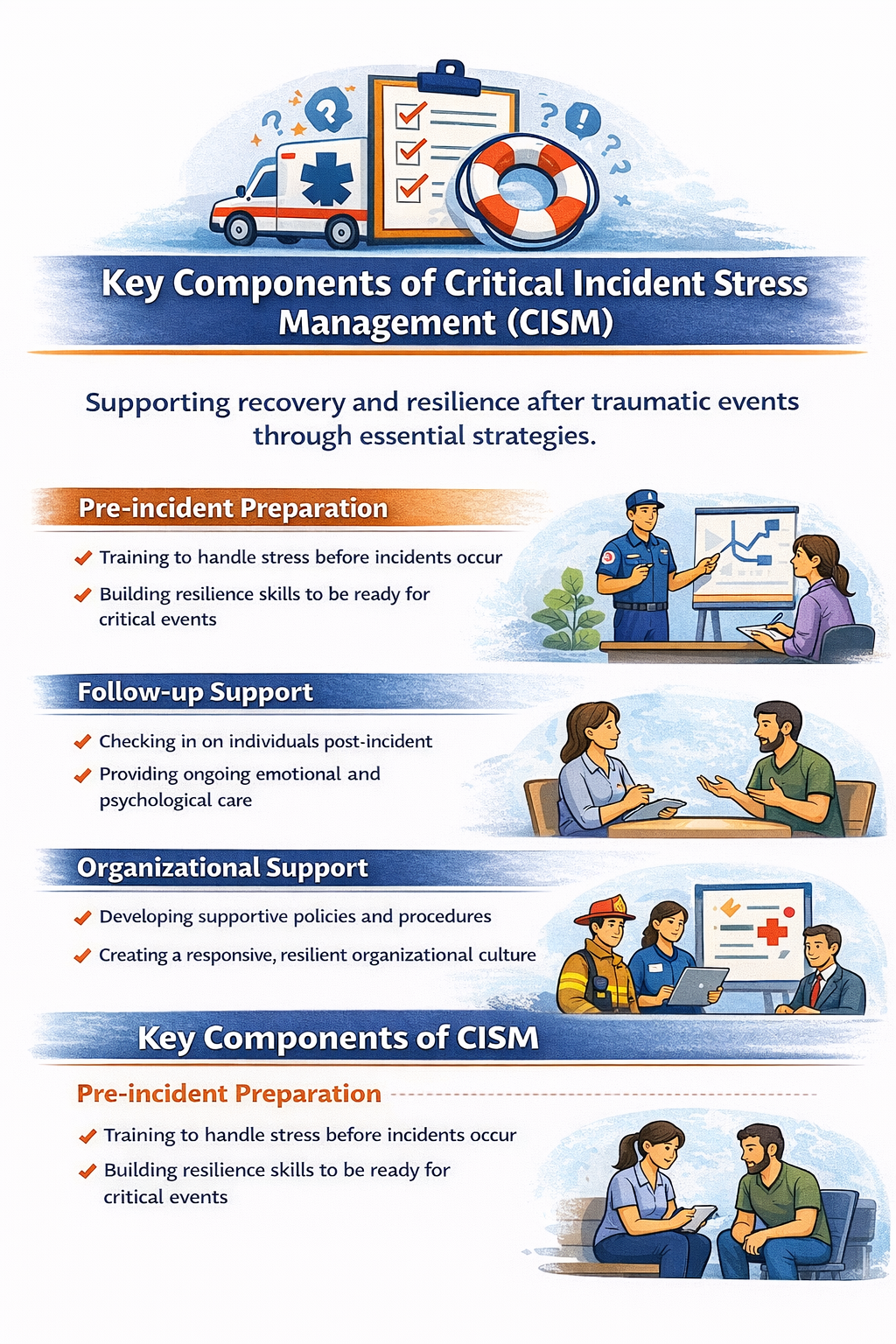
Implementing Critical Incident Stress Management
When I talk about critical incident stress management, I know there’s a lot to unpack. It’s not just about responding to a crisis, but making sure the right support systems are in place for folks who are dealing with some pretty rough stuff. Here’s a breakdown of how training and practice can make all the difference.
Training and Certification
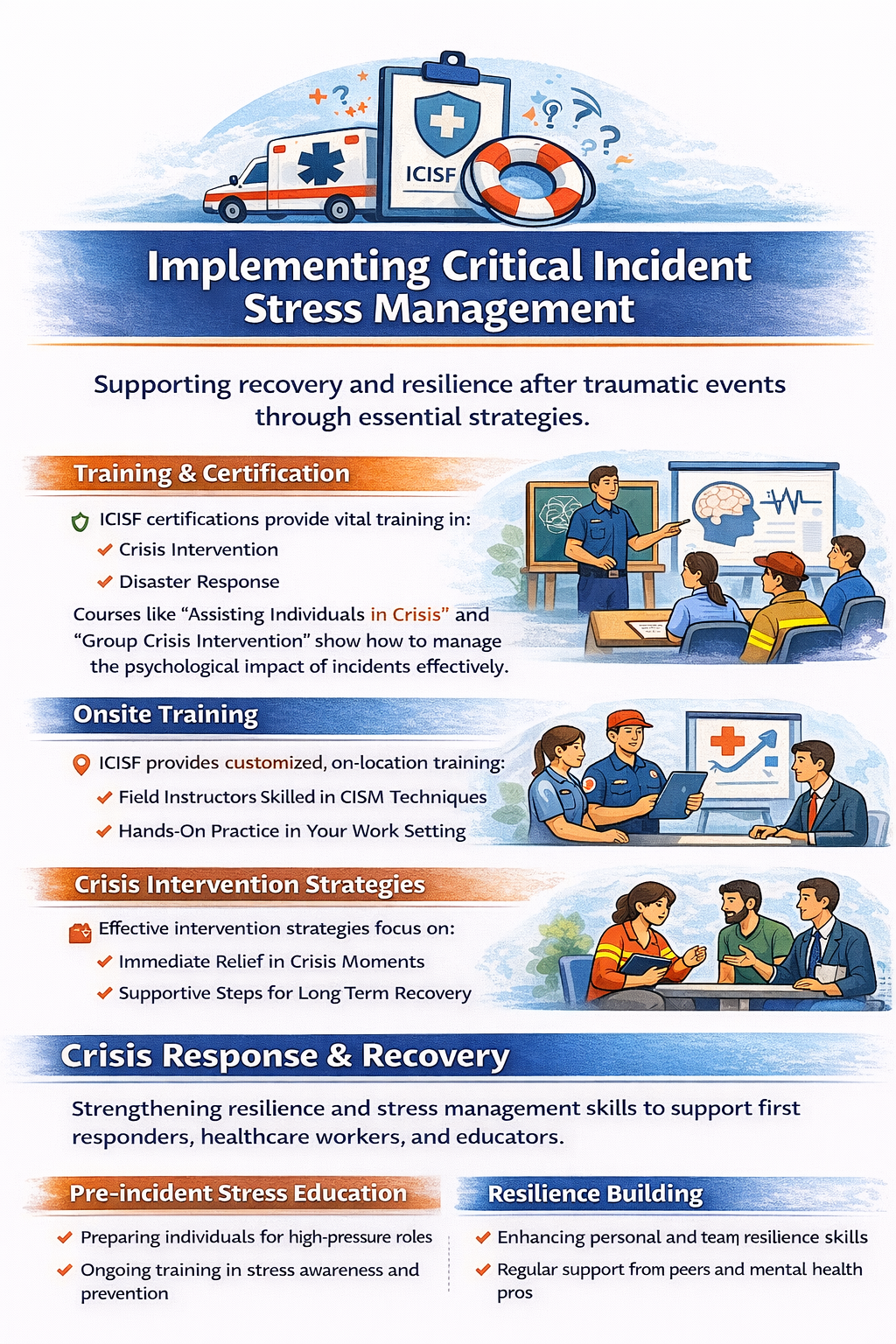
Getting the right kind of training under your belt is like getting your driver’s license before you hit the road—kind of crucial, right? Organizations like the International Critical Incident Stress Foundation (ICISF) are the go-to for certifications. They cover a lot about crisis intervention and disaster response.
What this all means is that if you’re the person in charge during a crisis, you’re not left scratching your head. ICISF offers courses like “Assisting Individuals in Crisis” and “Group Crisis Intervention”. These courses teach you how to manage the psychological toll that a critical incident might leave behind (ICISF). So, you’re not just winging it—you’re ready to step in when called to action.
Onsite Training
Onsite training brings a hands-on approach to learning about stress management. ICISF’s Speakers Bureau Program sets up shop where you work and tailors the learning experience to fit what your organization needs most (ICISF). The upside? People get to practice the skills right where they’ll use them, making it stick.
Plus, with over a thousand field instructors out there, the training is pretty much within reach wherever you are. These instructors have gone through the ropes of the Approved Instructor Programs, so they know what they’re talking about (ICISF). It’s like having a vast network of local experts ready to help you learn the ropes of stress management.
Crisis Intervention Strategies
When a crisis hits, it’s all about how quickly and effectively you can get people back on their feet. Picking the right intervention strategies is key. They focus on the here and now of a crisis but also set the stage for recovery (NIFC).
These strategies are kind of like tools in a toolbox—different ones for different jobs, whether it’s before, during, or after the crisis. The idea is to ease the psychological punch that comes with critical incidents, providing fast and solid support (NIFC).
By focusing on solid training, practical onsite learning, and good interventions, I think organizations can set themselves up to handle stress like pros. In the end, a well-thought-out CISM plan isn’t just about surviving the storm; it’s about building the strength and well-being we all need to thrive in tough times.
Crisis Response and Recovery
Talking about tackling stress ain’t no walk in the park, especially for people on the front lines—like first responders, emergency folks, healthcare heroes, mental health champs, and even teachers. We’re diving into how they can bounce back after a rough day, focusing on things like fighting stress before it hits, building mental muscle, and keeping cool when the going gets tough.
Pre-incident Stress Education
Alright, picture this: you’re in a job that’s all about high-stakes moments, and stress is practically your middle name. The trick is to arm yourself with the right knowledge early on and keep sharpening those skills year after year (NIFC). This isn’t just about checking boxes—it’s about feeling prepared and ready for anything that might shake you up. Think: learning how to spot stress sneaking up on you before it blows up in your face. It’s a proactive game plan for keeping your mind in check when things heat up.
Resilience Building
Now, resilience might sound like one of those fancy buzzwords, but it’s pure gold when you’re knee-deep in chaos. We ain’t talking about just rolling with the punches, but setting up a rock-solid foundation to handle whatever gets thrown your way. That includes leaning on your buddies and not hesitating to seek out the pros when the load gets heavy (Vantage Point Consulting). It’s about boosting those inner reserves, tightening your circle of support, and making sure everyone can hold it together when it feels like the world’s falling apart.
Crisis Management Briefing Techniques
Let’s get real: when it hits the fan, clear communication is your best friend. This is about getting everyone on the same page quickly and making sure no one is left in the dark (OSHA). By breaking down what’s happening in a way everyone can understand, you’re not just solving problems on the spot—you’re laying down a culture where people know they can speak up and ask for what they need. Think: clear talk, open ears, and making every word count.
Putting all of this together—learning to spot stress early on, shoring up that mental muscle, and mastering clear-cut communication—gives everyone from solo heroes to whole teams the tools they need to manage stress like pros. It’s about building an inner and outer safety net so we can all keep on keeping on no matter the storm.