


Introduction
Critical Incident Debriefing is the most effective recovery framework used after traumatic or high-risk events. When organizations implement Critical Incident Debriefing correctly, teams regain emotional balance, operational control, and psychological resilience.
In modern crisis management, Critical Incident Debriefing plays a central role in protecting employees, restoring confidence, and strengthening future emergency responses.
Preparing for Debriefing
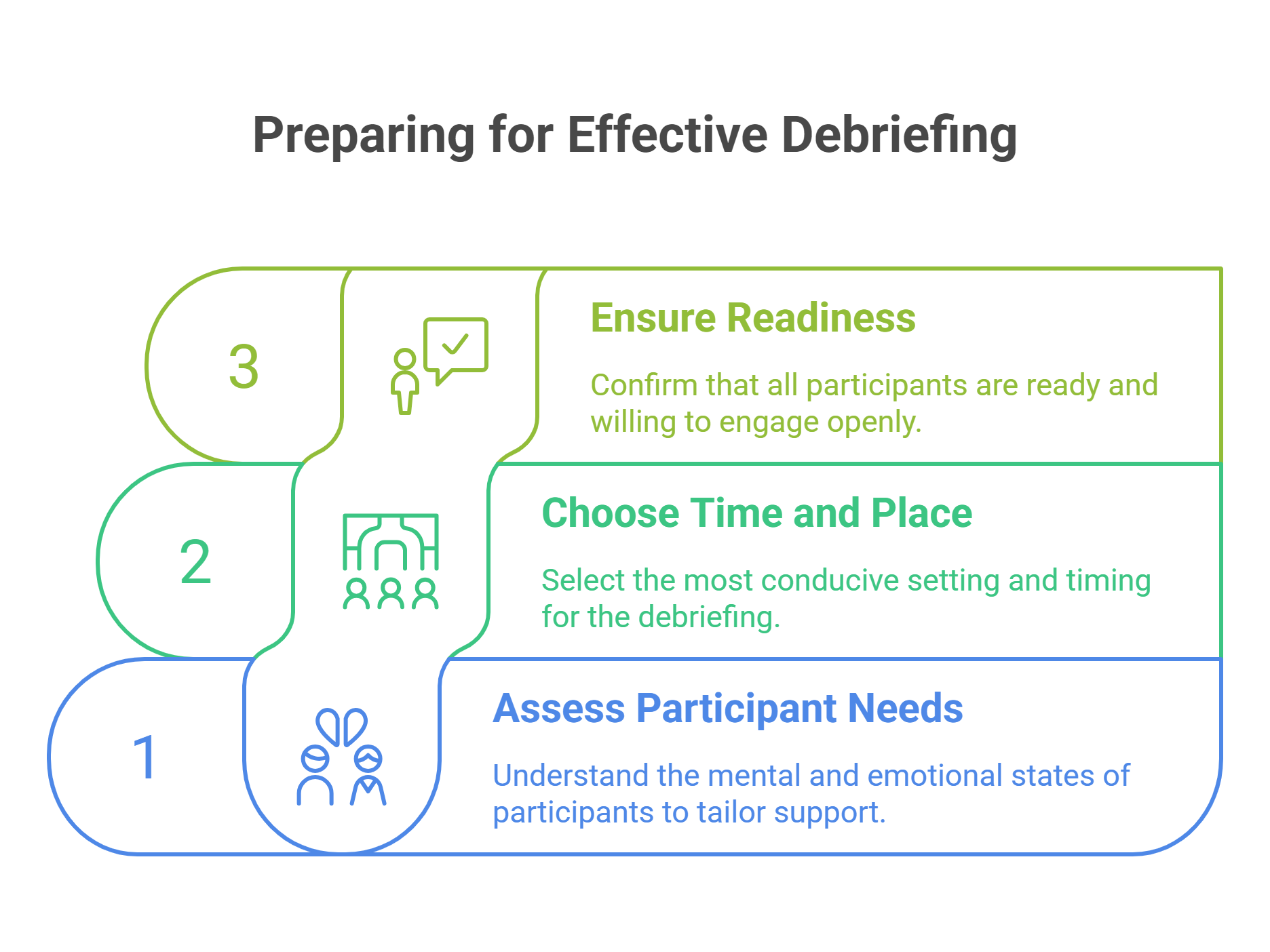
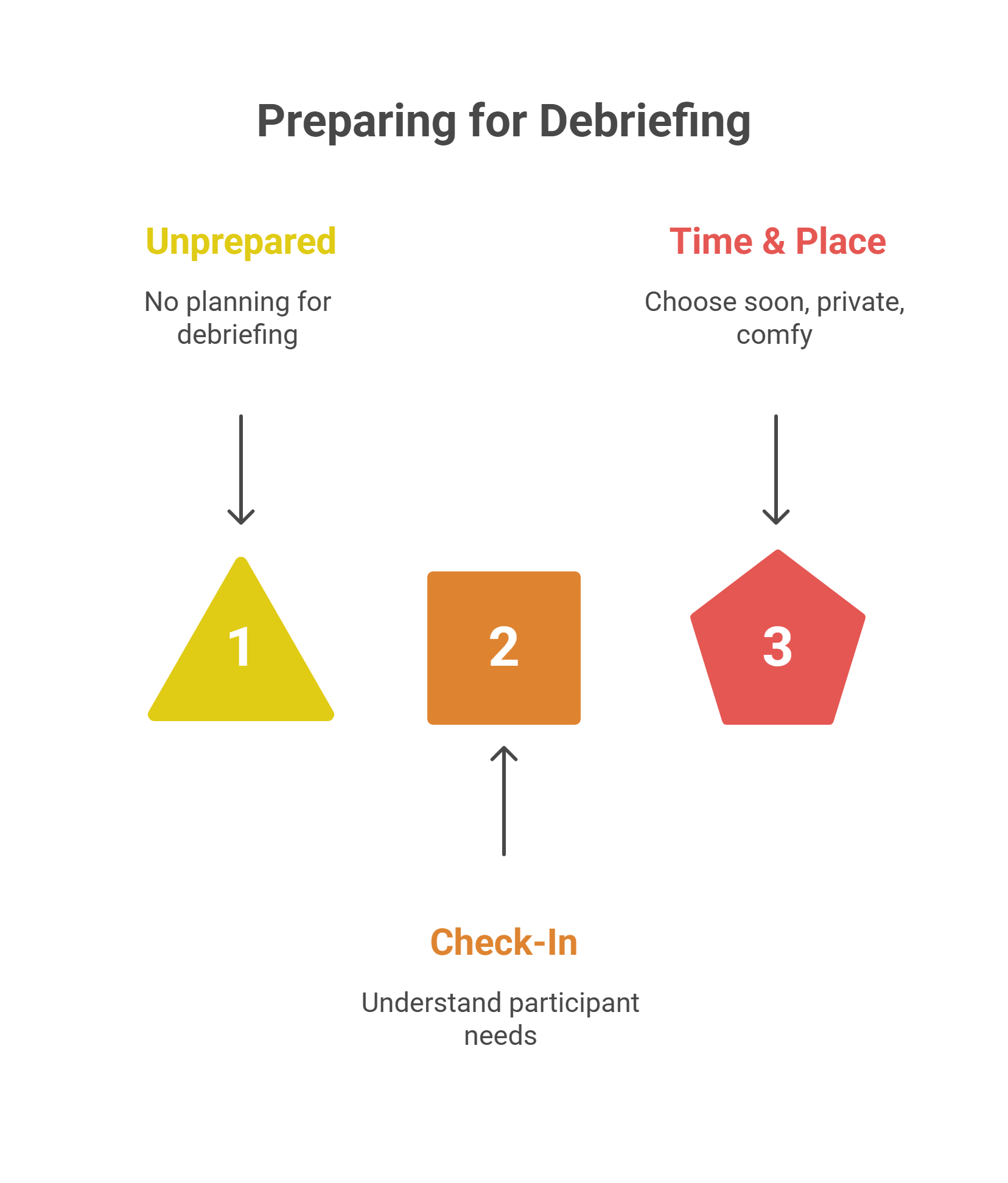
When it’s time to get ready for a debriefing after a big event, being prepared can make all the difference. You have to think about what everyone involved needs and pick the best time and place for the meeting.
Checking In with Participants
Before starting a debriefing, it’s important to understand what each participant needs. This means learning about their mental and emotional states and what they’ve been through. Knowing this helps the person leading the debriefing give the right kind of help. It’s not just about talking—it’s about connecting with people who might be feeling a lot of different emotions. You want everyone to feel like they can share openly, and that can only happen if they’re ready and willing to participate. For more insights into managing trauma, check out trauma-focused cognitive-behavioral therapy.
Picking the Time and Place
The when and where of the debriefing session can really set the tone. You want to meet fairly soon after the incident—within a day or three is usually best. This way, experiences are still fresh, but folks aren’t swamped by the stress of it all. Finding a private and comfy spot is essential too. No one’s going to open up if they’re dealing with interruptions or uncomfortable surroundings. Everyone needs to feel secure and at ease to get the most out of the discussion. For more tips on creating the right atmosphere, look at critical incident response team training and stress management for first responders.
Making sure to cater to everyone’s needs and being thoughtful about logistics will set you up for a debriefing that’s not only effective but healing. A little planning goes a long way toward making sure people find relief and bounce back stronger.
Deciding on Debriefing
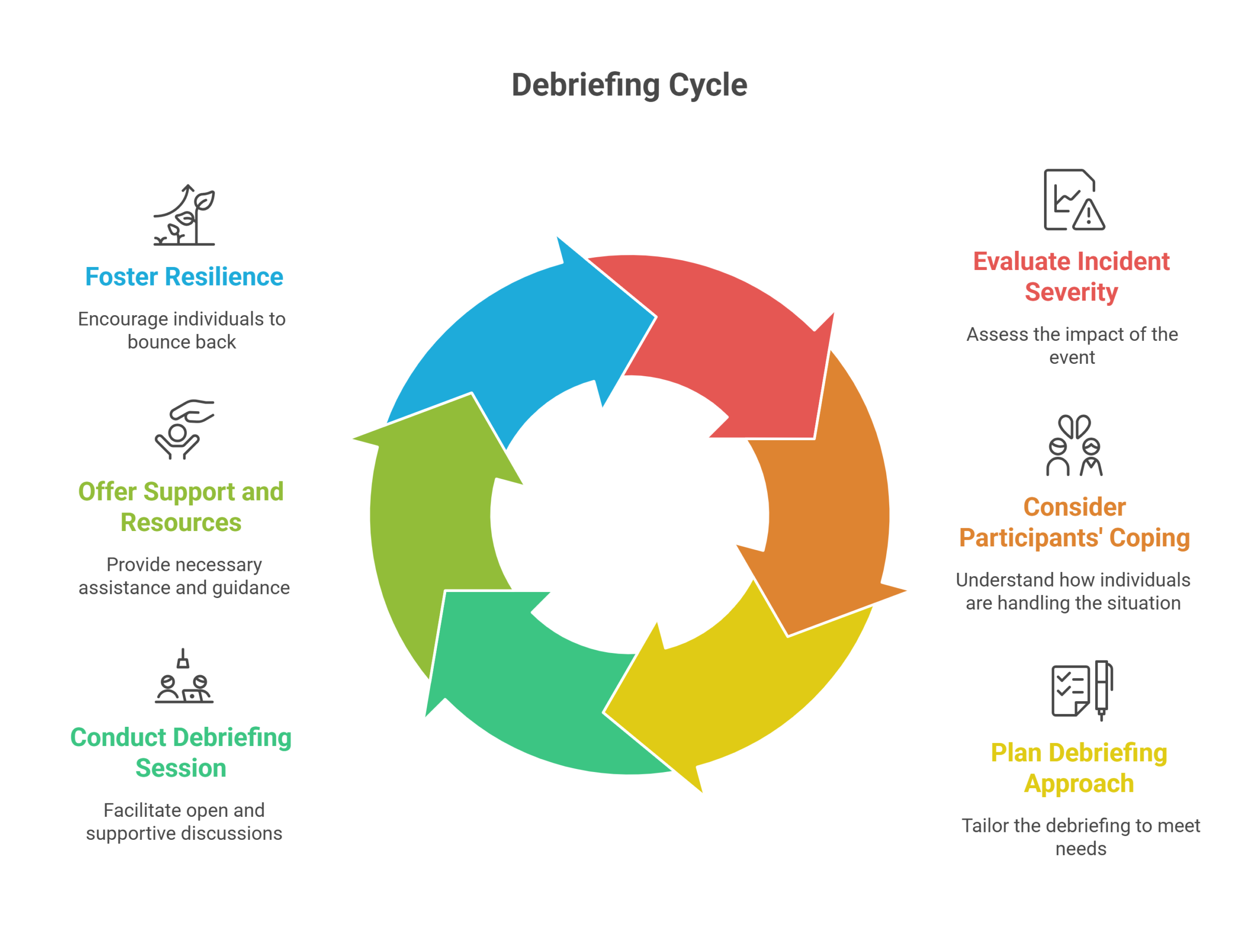
Alright, let’s talk about the whole business of “debriefing” after something major goes down. Whether it’s a big scare or a rough patch, we need to look at two big things: how bad the incident really is and how folks are getting by after the dust settles.
Evaluating Incident Severity
First up, we need to figure out how serious the thing that happened was. Getting a grip on the fallout of the event helps to decide the best way to talk things through with those involved. Think of it like checking the emotional weather after a storm.
This isn’t about checking a list and calling it a day. It’s about feeling out how much this rocked people’s worlds. When we know the right level of shake-up, we can plan the chit-chat accordingly. Maybe sprinkle in a bit of trauma-focused cognitive-behavioral therapy to help folks piece things back together.
Considering Participants’ Coping
Next, let’s chat about how everyone’s handling the situation. It’s like when you check up on folks after the storm, to see if they’re dry and warm or still shivering in wet socks. Understanding their coping vibes is super helpful when you’re trying to sort things out in the debrief.
Paying attention to how everyone’s individually dealing with things means we can offer just the right mix of listening and talking during debriefs. Crisis intervention counseling can be like a warm blanket, giving the immediate comfort and guidance needed to bounce back.
It’s crucial to whip up an atmosphere where people aren’t scared to spill what’s on their mind. Openness–when folks feel heard and not judged–is a big boost in helping people act like human teabags: resilient in hot water.
Rolling with this two-step approach, thinking about both the chaos and the cleanup, gives us a chance to dig deep with our chat sessions. Keeping folks’ feelings front and center, aiming for healing and some of that good old resilience, makes sure we’re doing right by them when life’s knocked them down.
Conducting the Debriefing
When it’s time to wrap things up and chat after a stressful event, sticking to a plan makes all the difference. This helps the conversation flow naturally so everyone gets their say and feels a bit lighter afterward.
Structured Approach
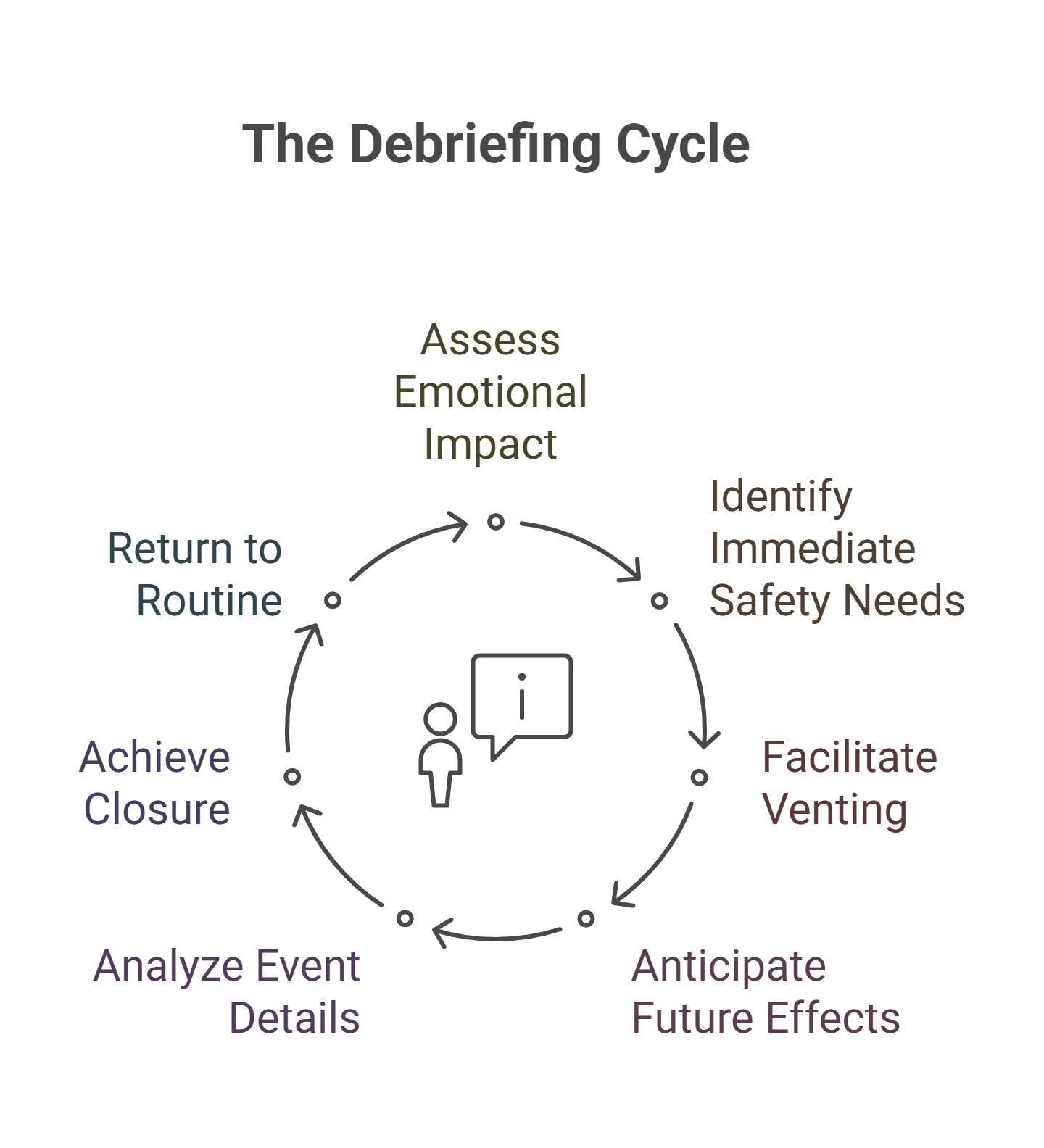
Here’s a rundown of what to cover after a stressful incident using the Seven Steps of Debriefing:
- Gauge the blow of the incident: Let’s get a grip on how everyone’s holding up emotionally and mentally.
- Spot quick safety fixes: Check for dangers that need immediate fixing.
- Let folks vent: Make it safe for folks to share their stories and feelings.
- Look ahead: Consider how this might linger on the mind and behavior.
- Go over the nitty-gritty: Sort through what went down and why it did.
- Tie up loose ends: Help participants find peace and move on from the session.
- Ease back into routine: Make sure everyone’s ready to smoothly rejoin everyday work (BetterHelp).
Leading the Talk
When leading these post-game huddles, set the stage for open chats. Make sure folks feel comfortable enough to own up to mistakes, take pointers, and share tips. This kind of vibe lets everybody bring something to the table, from the top brass to the rookies (Police Forum).
Leaders should work to keep openness alive, inviting feedback from all sides with no fear attached. This way, you catch useful input from every corner, finding both the weak links and the gold stars of the incident response. Recognize the good stuff and see how it aligns with the usual rules or training for some ongoing fine-tuning (Police Executive Research Forum).
A well-conducted debrief isn’t just nice for the soul; it’s a no-cost way to check on results, spot those “aha!” moments, keep folks safe, and draw the curtain down with a feeling of completedness. Aim to cover a few core points: what happened, what it means, and how to act on it (Paramedic Practice).
By putting order to chaos and steering chats wisely during debriefs, we help people and organizations negotiate these tricky times with a supportive hand. This not only helps pick up the pieces but also spices up future action plans, ensuring we learn from what we experienced and keep improving how we handle things.
Post-Debriefing Follow-Up
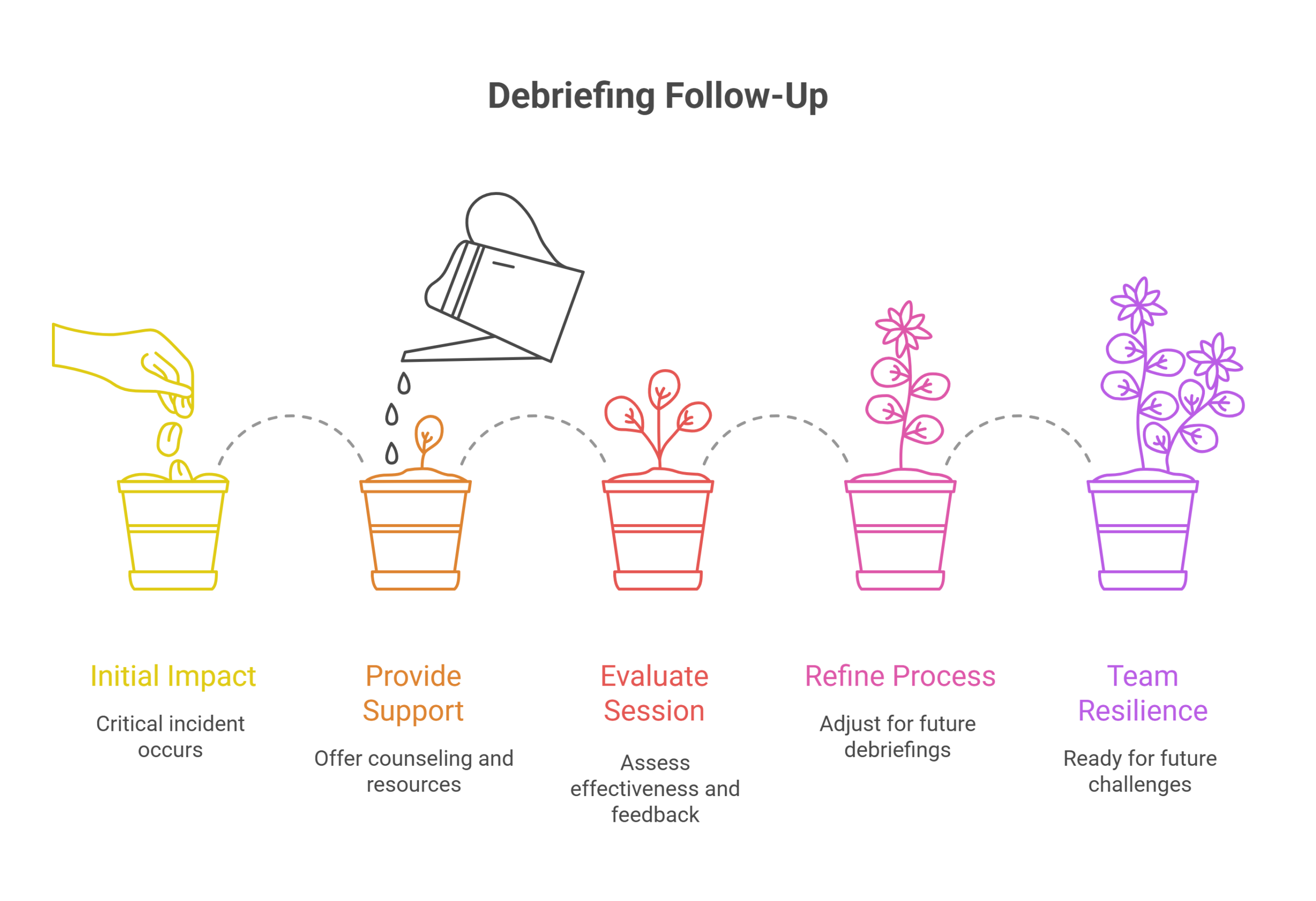
After a critical incident, it’s key to be there for folks who might need extra help wrapping their heads around what happened. You’ve got options like one-on-one counseling, trauma-focused CBT (that’s a fancy way of saying therapy that helps with tough memories), or even hooking them up with some mental health resources. Basically, it’s about making sure there’s a soft landing for anyone who needs to talk it out and deal with the aftermath.
Providing Additional Support
Folks should have help at their fingertips. Whether someone’s a little rattled or having a tough time emotionally, having a place where they feel understood without judgment is gold. Organizations can really lift everyone’s spirits by making health and well-being top priorities. It’s not just good vibes; it’s about building a sturdy team that’s ready to face daily challenges.
Evaluating the Session
Once the debrief wraps up, it’s time to see if it hit the mark. Did it stick the landing or fizzle out? This part involves checking how it was structured, how the chats went, and what kind of emotional waves it made. Collecting thoughts from everyone involved can shine a light on what worked and what didn’t.
It’s all about tweaking and tuning so the next time’s even better. Taking notes and keeping track of how folks responded is like piecing together a puzzle—it helps to build a game plan that’s right on the money for next time.
Wrapping It Up
A good follow-up after debriefing sets the stage for bouncing back from a rough ride. By offering a shoulder to lean on and reflecting on the session’s ups and downs, organizations can build a tough-as-nails team ready to handle anything. Keeping this process fresh and in tune with real needs means everyone involved gets exactly what they need when they need it.
Evaluation and Improvement
Wrapping up a debriefing after a major incident comes with a big task ahead: making sure we’re learning and improving. This is key to truly supporting everyone involved.
Documenting the Process
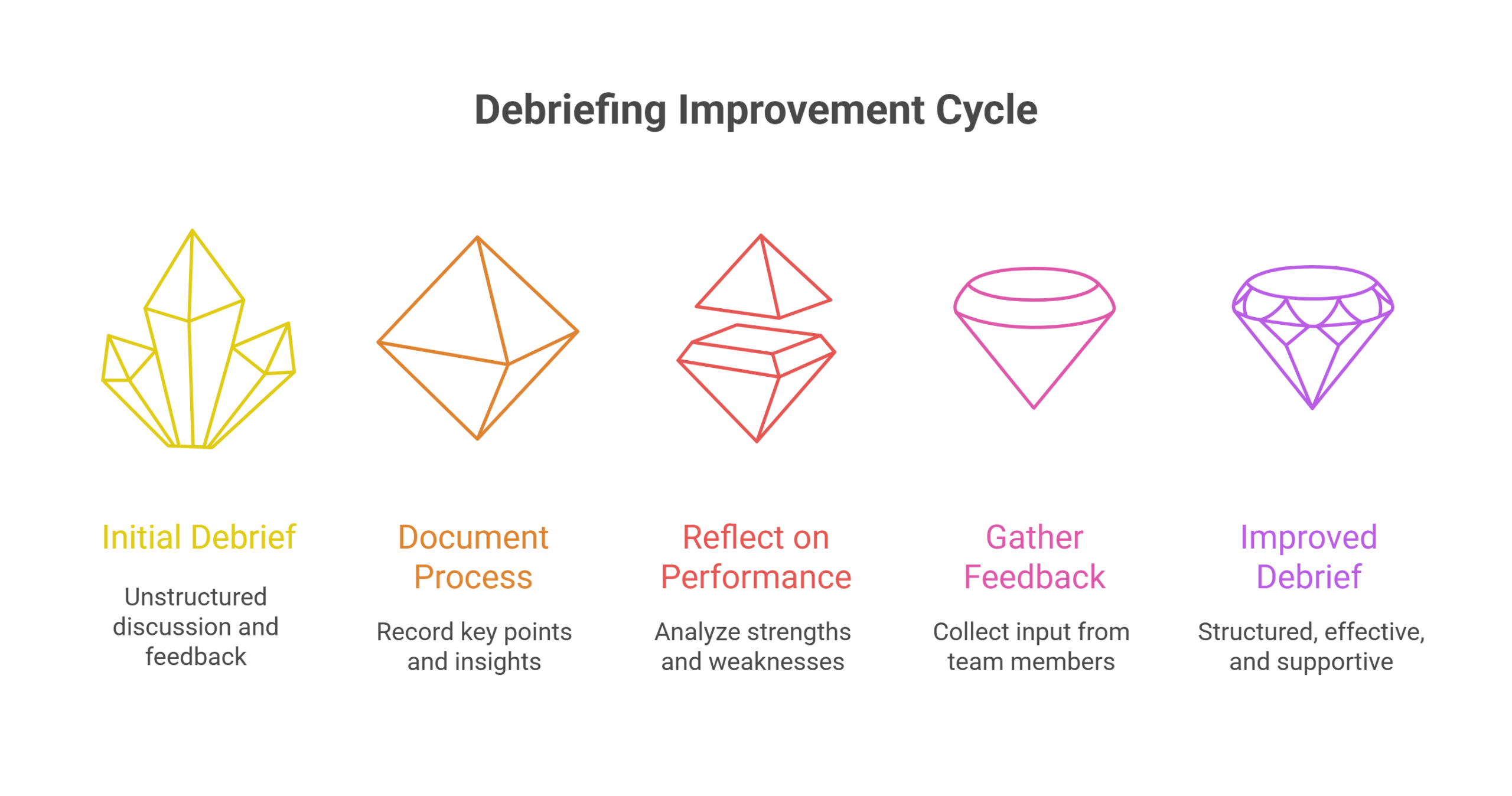
After winding down from a debrief, it’s all about getting the important stuff on paper (or in the cloud, let’s be real). You know how after a big chat, ideas can slip away like a dream you almost caught? Writing down what went on—topics, snags, good calls—creates a handy keepsake. This isn’t just busywork; it’s about keeping those aha moments alive and kicking. Plus, it keeps everything open and straightforward.
A smart way to handle this is with an after-action report (AAR). As the Police Executive Research Forum points out, these reports dig into patterns and behaviors seen in big incidents, like training hiccups or policies missed. Think of it as a way to learn rather than a lecture; it’s about upping our game all around.
Reflecting on Performance
Besides jotting things down, it’s gold to really mull over how everything went down during the debrief. This is where a bit of soul-searching comes in. Look at what rocked and what wobbled. When we give ourselves a reality check, it sharpens our skills, so we’re more than ready the next time the spotlight’s on us.
Also, don’t fly solo—ask your crew for their two cents. Honest feedback is like a mirror for seeing what might be hiding and what’s working just fine. This kind of ongoing feedback is like setting up a growth spurt within the team, making each session better for everyone at the table.
By locking in on the importance of good notes and reflecting on the chat, both people and organizations can up their game in debriefing. This not only boosts how things are handled during crunch time, but it also strengthens everyone’s bounce-back skills in the face of future storms.
Debriefing in Healthcare Settings
Alright, sit tight while I talk about debriefing after a healthcare incident—it’s sort of like the afterparty to a crisis, except with fewer party hats and more learnings. The good side? Loads of benefits to this practice, from making teams tighter to ironing out nerves. The bad? Getting it all to happen smoothly is a whole other cup of tea.
Benefits of Debriefing
Let’s not beat around the bush. When something big happens, like a cardiac arrest or major bleeding episode during surgery, it’s a wise move to get the team talking afterwards. Sharing stories, getting all those feelings out into the open, and figuring out what went down—well, that’s a recipe for building stronger teams and boosting how we handle tough spots in the future. Plus, it takes the edge off those traumatic experiences and can even fend off the big bad wolf of PTSD.
Besides, by spelling out what went right or took a wrong turn, the folks in charge of healthcare can tweak and tune their crisis plans. It’s like getting free upgrades on your favorite game, but way more important ‘cause it’s real life we’re talking here.
Challenges in Implementation
Now, here’s where the music skips: putting debriefing into practice isn’t all sunshine and rainbows. Across the board, from hospital to clinic, many medical pros aren’t catching the debrief train. There’s a glaring gap here. Case in point: Only a handful of anesthesiologists and emergency medicine docs have the chance to talk over things right after unexpected serious events. Heavy workloads, time that’s about as flexible as a steel rod, and zero training can leave debriefs gathering dust on the shelf.
For some emergency med folks, fitting debriefing in is like squeezing into last year’s holiday pants—just not happening. Workloads and time crunches barricade potential get-togethers, making it easier to sideline debriefing to next week’s to-do list, yet again.
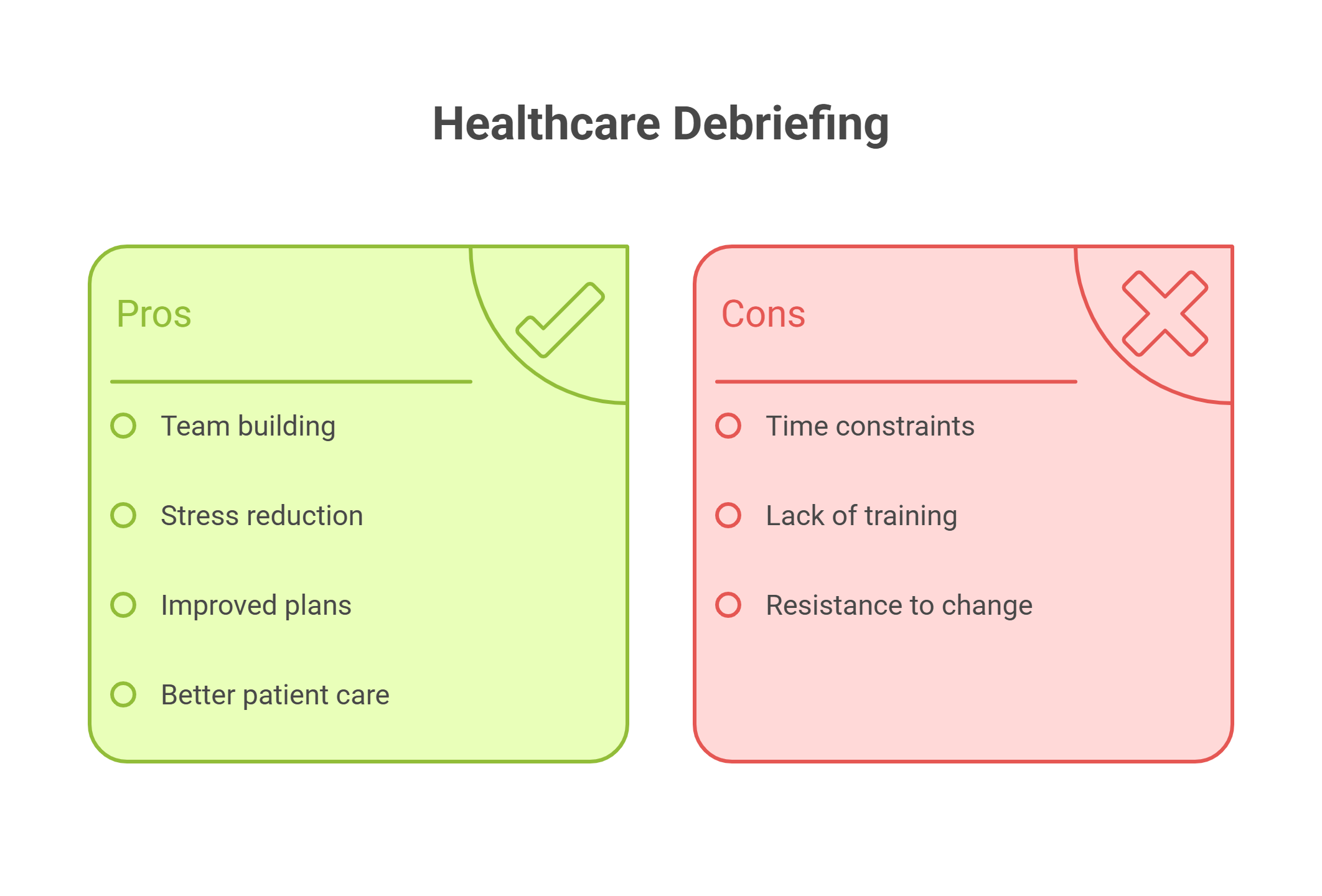
To tackle this, healthcare systems need to rally and embrace debriefing as a no-skipping-allowed part of their stress management playbook. More training, time, and creating a space where voices are heard and learning gets high-fives could do wonders. Implementing a set routine for debriefing isn’t only about keeping the healthcare squad sane; it can totally up their game regarding patient care, too.