

Understanding Critical Incident Stress
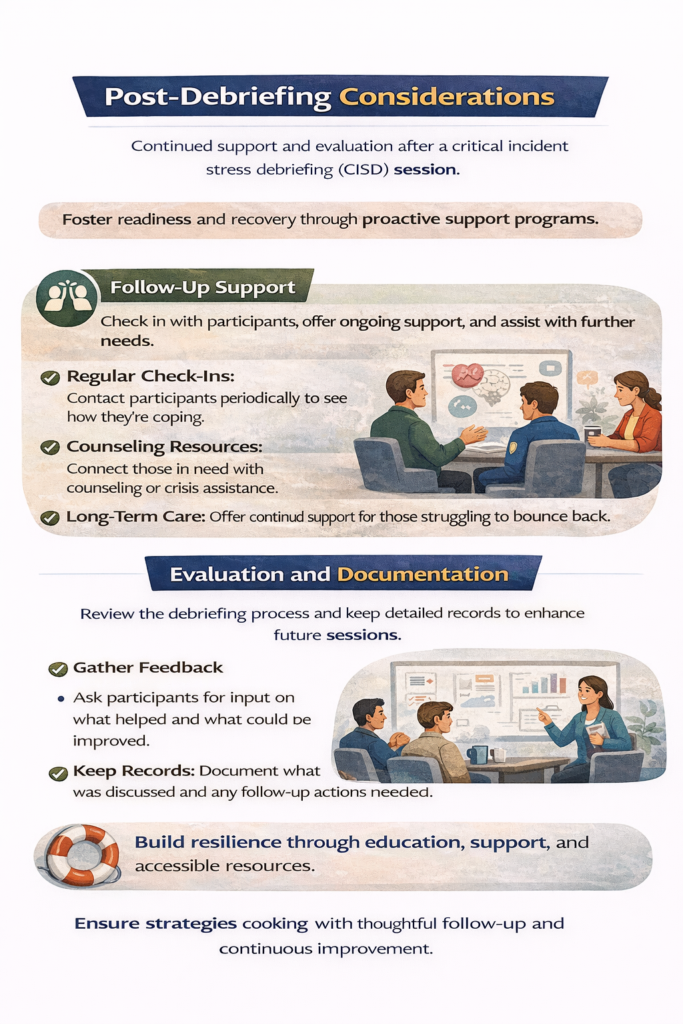
When diving into the scary world of critical incident stress management, it’s super important to get a grip on what critical incident stress is all about. It refers to that immediate punch in the gut—psychological and emotional—that people feel right after facing a traumatic event. Imagine being hit with a burst of anxiety, distress, or even fuzzy thinking—that’s what this stress can do.
Differentiating from PTSD
Now, here’s where things get a bit tricky. Critical incident stress isn’t the same as Post-Traumatic Stress Disorder (PTSD). Sure, they both rear their heads after something traumatic, but they hang around for different lengths of time. Critical incident stress is like a storm that clears up in a couple of days to four weeks, tackling those first gut reactions and stopping more trouble from brewing (OSHA).
PTSD, though, it overstays its welcome, sticking around long after those four weeks have passed. It brings along a suitcase of long-lasting symptoms that mess with someone’s emotions, mind, and even their physical state, needing a whole range of care and strategies for the long haul.
Knowing the difference between critical incident stress and PTSD is key to whipping up the right support for folks who’ve been through the ringer. By understanding how long each condition lingers and what they look like, we can start with quick fixes for critical incident stress and keep a watchful eye for giving long-term help to those who might slip into the grips of PTSD.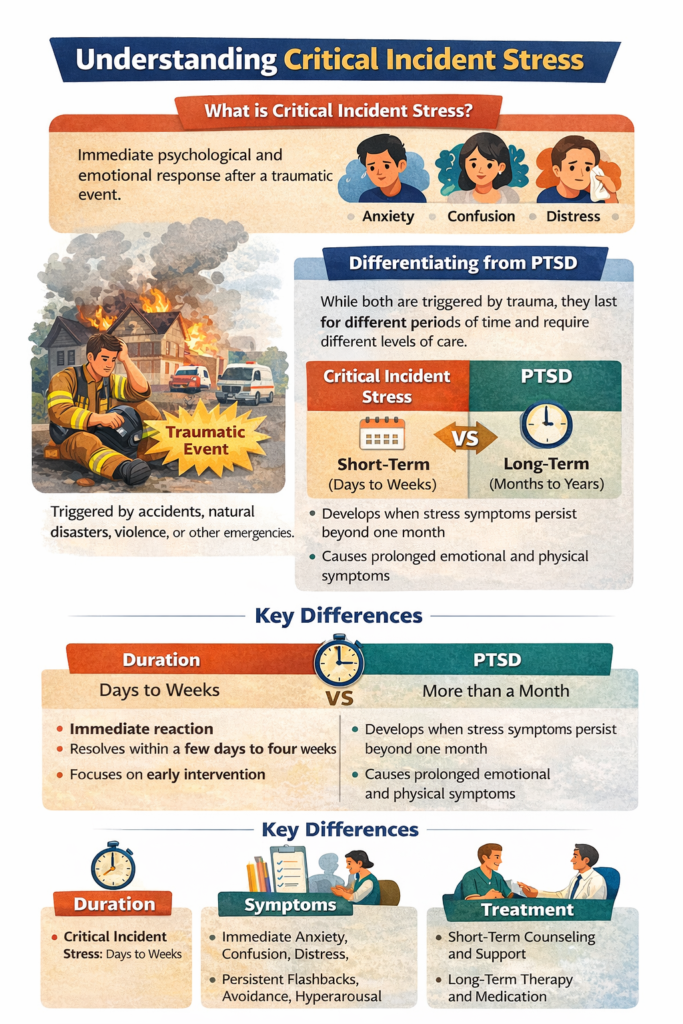
Critical Incident Stress Debriefing
Managing stress from traumatic incidents is no small task, and that’s where critical incident stress debriefing comes into play. It’s like a helping hand for folks who’ve been through a rough patch. Let’s break down what this process does, the steps it takes, and how well it works to ease that stress.
Purpose and Process
Critical Incident Stress Debriefing (CISD) isn’t just a fancy term. It’s a way for people to come together after something traumatic and start sorting through their feelings. Picture it like a group chat where everyone can spill their thoughts, share emotions, and kick-start the path to feeling better (OSHA). It’s like a comforting circle where you can talk, listen, and heal, aiming to help folks bounce back stronger.
Steps of CISD
So how does CISD actually roll? There’s a set pattern of seven steps that takes the group from just meeting to moving forward:
- Introduction: Kicking things off by explaining what’s what and laying down some ground rules.
- Fact Phase: Getting everyone to share what happened, from their own angle. It’s all about the basic facts.
- Thought Phase: Diving into the mindset during the event–what was going through everyone’s heads?
- Reaction Phase: Here’s where feelings get the spotlight. Participants talk about their emotional ride.
- Symptom Phase: Discussing any signs of stress—be it body or mind—that cropped up.
- Teaching Phase: Schooling folks about typical stress reactions and ways to cope with them.
- Re-entry Phase: Wrapping things up with a nod to extra help and how to stay on the road to recovery.
With these steps, CISD aims to help folks digest what happened, keep their feelings in check, and gear up for bouncing back (Verywell Mind).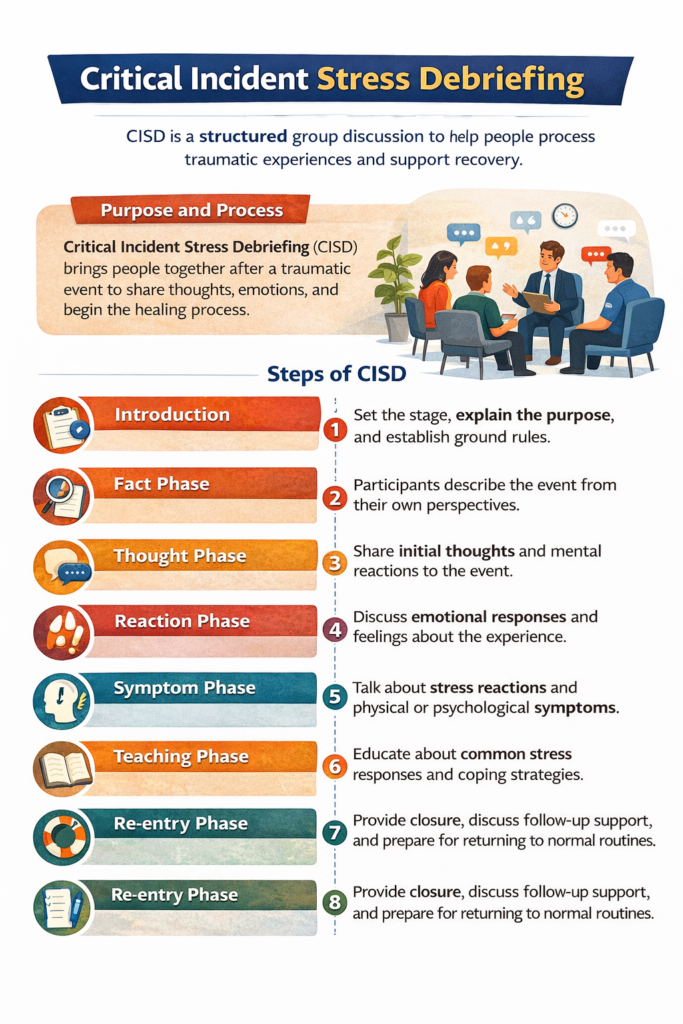
Effectiveness and Controversies
There’s some back-and-forth on how well CISD really works. Research is like a mixed bag–some say it’s great for reducing stress after tough times, while others think it’s not a one-size-fits-all fix.
Even with the debates, CISD is still a go-to method in places like emergency services and hospitals. When done right and at the right moment, it’s a support lifeline for folks who’ve been through traumatic events. The hope is to help them work through their emotions and get on the road to feeling better.
Implementing Critical Incident Stress Management
In the chaos after a traumatic incident, the magic trick isn’t just having Critical Incident Stress Management (CISM) hidden up your sleeve—it’s knowing how to wave the wand right. CISM focuses on timely aid to individuals and organizations—orchestrating a symphony of support when life feels off key.
Pieces of the CISM Puzzle
CISM is like that puzzle with missing pieces, where each one matters a lot. It’s got six pieces: prep before trouble hits, jumping in when things go south, talking it through, checking in after the fact, rallying the troops, and building up that bounce-back ability (Vantage Point Consulting). When you manage to fit these into the big picture, you’ve got a handle on guiding folks through the storm and coming out the other side stronger.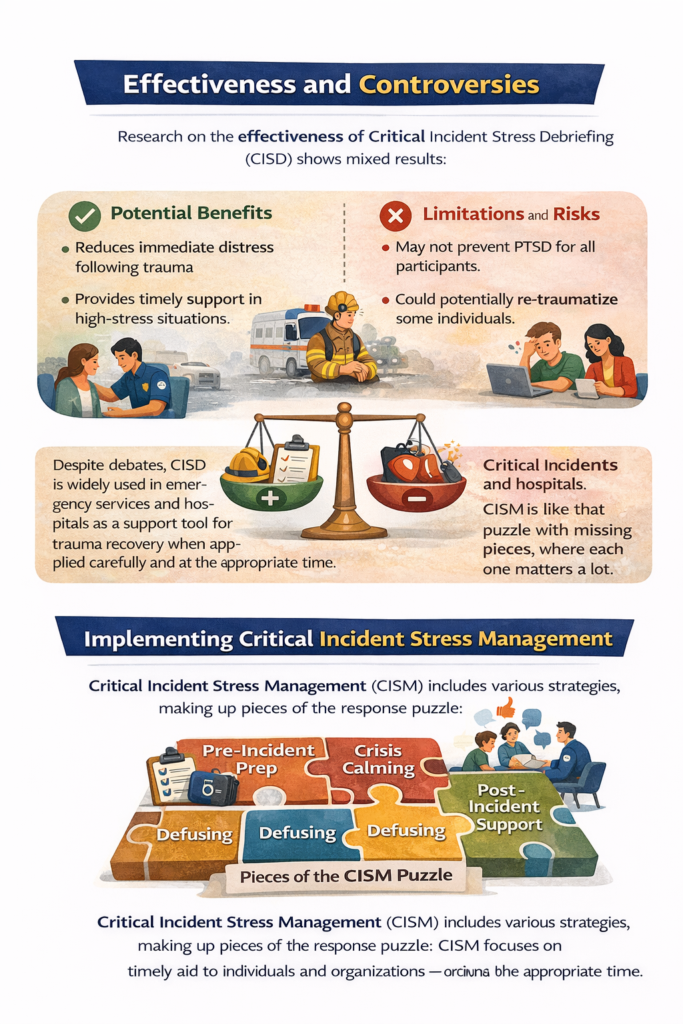
Pre-Incident Prep
It’s all about getting a leg up before things get wild. This means setting the stage with protocols, training the crew in how to handle a crisis, and rehearsing like the world’s scariest dress rehearsal (LinkedIn). Creating a mindset of readiness ensures that when the inevitable occurs, you’ve got your ducks in a row.
Crisis Calming
When the world flips upside down, crisis intervention is the hand that steadies the ship. Offering counseling tools for handling crises and delivering that all-important psychological band-aid helps folks get through the initial shock. Jumping in quickly and with a good dose of empathy makes dealing with the jumble of emotions a teensy bit easier and sets the stage for mending.
Getting CISM rolling involves piecing together responses like a well-practiced band. It’s more than just showing up with a toolkit—it’s knowing how to use the tools with heart and smarts. Prepping for it, calming the storm right when it hits, and following the thread with all the elements of CISM in play means making a meaningful difference. Keeping an eye on the best ways to get it done and using what’s at hand can really make a mark on the psychological impact and build the resilience needed to keep going when the going gets tough.
Management Strategies for Organizations
When bad stuff happens, making sure your people bounce back matters a lot. So, let’s chat about making organizations stronger when they go through tough times. We’re gonna look at two big things: giving people the support they need and helping them be more resilient emotionally.
Organizational Support
Imagine your organization as a safety net. You wanna be there for your folks when things go sideways. If you’re known for having your team’s back, you’re less likely to see people quitting left and right. This helps people feel comfy and appreciated. We’re talking about stuff like training, setting up crisis plans, and lending a hand when trauma hits.
A super important move here is to get serious about after-action reports (AARs). These are like report cards after the big showdown. They spot what went smoothly and what tripped everyone up. By having a system for AARs, you keep things tidy and on point when folks are putting life and limb on the line (Police Executive Research Forum).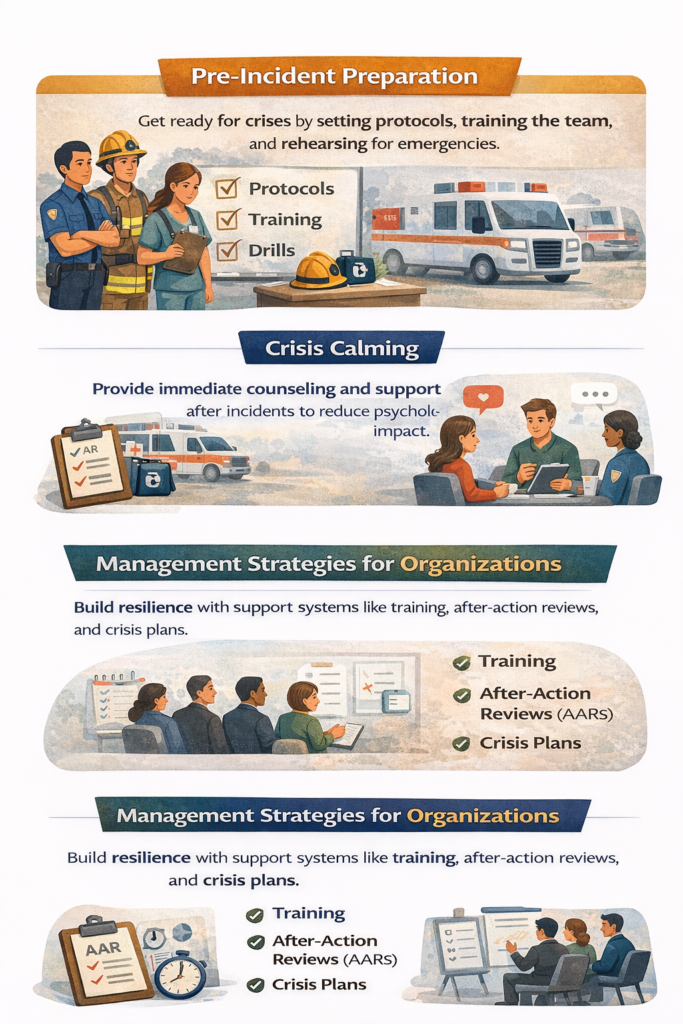
Resilience-Building Initiatives
Bouncing back stronger than before isn’t magic—it’s about being ready and resilient. A pinch of peer support, a dash of stress awareness, and making mental health help easy to find are essential (Vantage Point Consulting).
For our uniformed friends, it’s about having officer wellness programs that are more than just lip service. Do these really help the folks they’re supposed to? Are they easy to get to when the going gets tough? It’s like having a lifeboat ready but not leaving it in the shed. Supervisors should be Sherlocks, keeping an eye out for mental health struggles so they can steer folks to shore (Police Executive Research Forum).
Get these strategies cooking, and you’ll create a place where mental wellness flourishes, recovery after chaos happens and readiness for the next curveball is part of the everyday game plan.
Best Practices for Debriefing
When diving into the nitty-gritty of critical incident stress debriefing, a few smart steps can make all the difference in how useful it turns out to be. Let’s focus on sizing up how ready everyone is, understanding what the person leading the session should do, and sticking to a plan for how things will go.
Assessing Readiness
First things first, see if everyone’s up for the chat. Getting a handle on what went down and how folks are feeling can shape the conversation. Ideally, you want to have this heart-to-heart within 24 to 72 hours after the incident, somewhere cozy and private where people can just be themselves.
Checking in on readiness is all about figuring out where everyone’s head is at emotionally and seeing if they’re in a good place to talk things through. This sets the stage for a meaningful convo that really helps everyone start piecing things together and feeling better.
Facilitator’s Role
The person who’s running the show is a bit of a big deal. Ideally, they’re a pro at mental health stuff and have a knack for guiding groups through these tricky waters. They should be there to keep the conversation rolling, offer support, and help everyone sort through their jumble of feelings and thoughts.
Picking a spot that’s quiet and private helps a lot. It makes sure everyone’s cool and comfortable with opening up about their stories. This leader needs to encourage everyone to speak freely and ensure they all get along and respect each other.
Structured Debriefing Format
Keeping things on track with a tried-and-true format is key to making this whole deal worthwhile. Using a model like the seven-phase one from Mitchell and Everly keeps us all on the same page. This involves kicking things off, finding out the facts, digging into thoughts, sharing reactions, noticing symptoms, learning a bit, and getting ready to wrap up.
Having a set path to follow lets everyone talk about what’s on their mind in a way that feels safe and purposeful. It helps organize the chaos of feelings and reactions into a more manageable conversation.
By working these best practices into the mix, we set the stage for a session that’s not just organized but really helps everyone start to heal and bounce back. After wrapping up, it’s important to check in, see how things went, jot down notes for the future, and make plans for any extra support needed.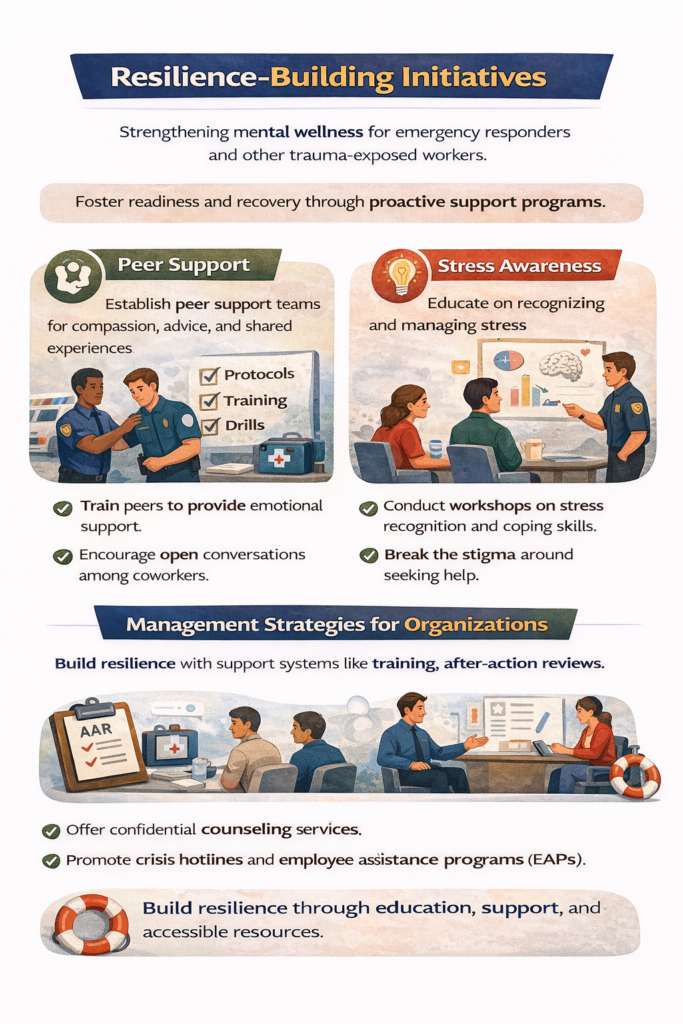
Post-Debriefing Considerations
Alright, let’s talk about what happens after a debriefing session. This isn’t just about wrapping up and heading home; it’s about making sure everyone involved in a critical incident feels okay and supported after it’s all said and done. It’s like checking in with a friend after a rough day—necessary and caring.
Follow-Up Support
Once a Critical Incident Stress Debriefing (CISD) session is over, it’s time to check back in with those who took part. Think of it as touching base to see if everyone’s doing alright or if some may need a little more help. This could mean lending an ear or pointing them toward more resources if they’re feeling stuck. It’s crucial to remember that bouncing back emotionally can take time, and follow-ups show that we’re there for them for the long haul.
Sometimes, folks might still be having a tough time dealing with the incident. Here’s where offering more hands-on support like counseling or crisis assistance comes into play. We gotta make sure nobody’s left hanging after the initial session, keeping the doors open for ongoing help from mental health pros if need be. This continued support can be a lifeline for someone wading through the aftermath of a tough experience.
Evaluation and Documentation
To make CISD as effective as possible, we gotta look back and see how it all went. Did the session hit the mark, and did everyone feel supported? Getting this right helps us refine how we handle these tough talks. It’s like reviewing the game footage—not just to see what played out but to make it better for next time.
Jotting down what happened in the session is a big part of this. Keeping records of who said what and what steps need to be taken next is not only useful for future reference but also ensures we stay on top of everyone’s progress after the incident. This paperwork isn’t just busywork—it’s a guide for future sessions and tweaks to our approach.
Also, it’s worth taking a step back and seeing how you did as the person leading the debrief. Gathering up some feedback from those involved can shine a light on what worked and what didn’t. The idea is to keep polishing the process so that every debrief session hits the right note, supporting everyone involved, from the participants to the facilitators.