
 Understanding Panic Attacks
Panic attacks are those sneaky bursts of terror that just drop in uninvited, out of nowhere, and crank up your fear dial to the max in mere minutes. It’s not uncommon for a certain situation or a dreaded thing to start the party. Having gone through one makes you more jittery about when the next will come, keeping your nerves on edge and causing even more stress and worry.
Definition and Characteristics
These attacks don’t exactly send a “Save the Date” card—they hit fast and furious, with everything going haywire right from the get-go. Your heart races, you’re drenched in sweat, shaking like you’re at the North Pole, and can’t seem to catch a decent breath. They can happen anywhere, leaving you feeling wiped out after the storm passes.
Impact on Quality of Life
It’s like someone hit the pause button on life when a panic attack swoops in. They hit their peak drama pretty quick, usually in about 10 minutes, and then slowly ease up. Knowing that it’s going to pass and won’t lead to a physical breakdown can be a game-changer when learning to handle them.
Prevalence and Triggers
Stress is the usual suspect behind panic attacks, fueled by things like work chaos, school pressures, family dramas, or health worries. Figuring out how to de-stress and pick up some solid coping habits can help keep that anxiety beast at bay.
And let’s not forget about fights and tension in relationships that can push the panic button too. Relationship stress can ratchet up anxiety and bring on panic attacks. Getting help through therapy or just having good heart-to-hearts can make a world of difference in managing these stress triggers.
Getting a grip on what panic attacks are all about, how they mess with your mind, and knowing what triggers them is key to crafting ways to cope and finding the right support. When you can spot the signs and know what sets them off, you’re better armed to handle the anxiety and take back control of your mental health.
Managing Panic Attacks
We all know panic attacks can feel relentless and downright scary. So, having a few tricks up your sleeve to deal with them right on the spot and for the long haul can be a game-changer. Let me walk you through some things that might just help ease those nerve-racking moments and keep them at bay in the future.
Immediate Relief Strategies
When you’re in the thick of a panic attack, finding a way to soothe your mind and body is key. Here are a few go-tos that might just help you catch your breath and steer back to calm:
| Quick Fix | What It’s All About |
|---|---|
| Breathing Deep | Take long, slow breaths to chill out your breathing and squash that panicky feeling. |
| Staying Grounded | Try focusing on what’s around you or embrace some textures to snap back to the here and now. |
| Gentle Moves | A light stroll or some easy movement can help ease the tension and clear your head. |
| Mantra Magic | Find a calming phrase or affirmation that shifts your focus away from stress and fear. |
| Lavender Whiff | Sniffing a bit of lavender might just help ease your anxiety and relax those jitters. |
Long-Term Management Approaches
Laying down some groundwork for taming panic attacks in the long term is where real relief starts. Here’s what you might consider for steadying the ship:
- Therapy Chats: Sitting down with a therapist can do wonders. Cognitive Behavioral Therapy (CBT) heads the pack in turning negative thoughts and actions on their head (National Institute of Mental Health).
- Medicinal Help: Sometimes, a bit of medicinal backup is needed, especially with severe cases. Working closely with a healthcare provider to find the right fit is crucial to keeping things in check.
- Thinking Therapy: Cognitive therapy dives into reshaping those pesky thought patterns that spin anxiety out of control, helping you interact with the world in healthier ways (Dialogues in Clinical Neuroscience).
Mixing immediate help strategies with long-term tactics like therapy, meds, and lifestyle tweaks can significantly up your quality of life if panic attacks are a recurring theme. Hooking up with a mental health pro to tailor what works best for you is a solid move. Remember, it’s not a solo ride; there’s a support squad out there ready to help you tackle what feels overwhelming and reclaim your sense of peace.
Overcoming Fear of Future Attacks
Thinking about handling panic attack worries can be tough. Many of us who deal with anxiety or panic disorders face that nagging fear of the next wave of panic. But hey, understanding ways to tackle these feelings can really help you get back some control and not let anxiety mess up your everyday routine.
Coping with Panic Attack Fear
Panic attacks come with a load of symptoms that make you feel all kinds of scared and jumpy. To shrink these feelings, you can try a few tricks like breathing deeply, using grounding techniques, walking a bit, or repeating comforting phrases. This stuff is tried and true for cooling down those panic symptoms and snagging a moment of peace. Don’t take my word for it; Medical News Today will back me up on this.
Tips for Regaining Control
A major part in squashing the fear of future panic attacks is spotting what sets them off. Knowing your triggers can help you tackle or steer clear of anxiety-stirring situations. This kind of understanding can cut down how often attacks hit or how hard they knock you (Medical News Today).
Setting up a regular routine that puts your mental health first can do wonders. We’re talking stuff like meditation, keeping a journal, breaking a sweat with exercise, and leaning on friends or therapists for support. These can help you feel more grounded and ready to face anxiety head-on.
Importance of Seeking Help
Reaching out for professional help is a game-changer when dealing with panic attacks and anxiety disorders. Therapists, counselors, and psychiatrists have the know-how to shower you with support and tailor solutions that fit you just right. They can offer coping strategies, walk you through interventions, and discuss if things like cognitive-behavioral therapy (CBT) or medication could be your jam.
Nobody should think asking for help is a sign they can’t handle it—it’s quite the opposite. It’s a bold move towards feeling better and managing your mental space. With the right folks in your corner, you can wrangle those anxiety monsters and start feeling more like you’re running the show again.
Lifestyle Factors and Panic Attacks
Living life while dodging panic attacks is a bit like trying to dance without stepping on toes—it ain’t easy, but it can be managed. Let’s chat about how changing a few habits around exercise, figuring out what sets you off, and dealing with stress can really help tame those panic episodes.
Role of Exercise in Anxiety Reduction
Exercise isn’t just about building muscles or losing pounds—it’s also like a magic button for calming the mind. Working out gets your blood pumping and can help kick anxiety to the curb, giving your brain a real boost. According to some fancy research papers out there, it improves moods and shields against mental health troubles (NCBI). Here’s a quick cheat sheet on how moving your body can help ease those jittery feelings:
| The Goodies from Exercise | What It Does |
|---|---|
| Eases depression and worry | Guards your noggin from mental hiccups |
| Boosts confidence | Calms anxiety before it gets loud |
| Helps you focus on fun | Better at lowering deep-rooted anxiety |
| Gets breath in check | Chills you out and lifts your spirits |
Staying active keeps both your body and brain in tip-top shape. Regular workouts can turn frowns upside down and stop stress from creeping in, making anxiety less of a troublemaker over time.
Identification and Management of Triggers
Spotting what sparks your panic is like finding the squeaky floorboard that always squeals at night. Once you know what sets you off, you can tiptoe around it or fix it. Here’s a look at how to tackle those pesky panic-starters:
| What Might Set You Off | How to Deal |
|---|---|
| Talking in front of a crowd or meeting new folks | Pinpoint and practice calming tactics |
| Stress in any flavor | Take care of yourself and use smart stress-busters |
| Group events or mingling | Lean on trusted pals and steer through with coping tricks |
Knowing your panic’s favorite hiding spots means you can dodge or dismantle them before they mess with your mojo. Handling stress and social snafus like a pro reduces the chance of anxiety butting in and taking over.
Impact of Stress on Panic Episodes
Stress is the troublemaker that seems to show up uninvited. Whether it’s your bills piling up or a scuffle with someone you care about, stress can invite anxiety like a nosy neighbor who just doesn’t get a hint. Here’s what to keep an eye on:
| Why Stress Likes to Mess With You | Panic Reactions |
|---|---|
| Money woes | Sets off anxiety alarms fast |
| Arguments with loved ones | A hotbed for panic outbursts |
| Job pressure | Stacks anxiety with interest |
Taking stress by the horns with smart techniques, finding a wise guide to chat with, and building healthier connections can keep stress from turning into a panic pie. When you manage stress effectively, you create room for peace and fewer panicky moments.
Adding smart exercise habits, identifying what lights your fuse, and mastering stress can help you steer clear of panic attacks, making your mind a happier and healthier place to hang out in.
Therapeutic Interventions for Panic Disorder
Let’s dive into the wild ride that is panic disorder treatment. We’ve got some pretty neat tricks up our sleeve, like Cognitive Behavioral Therapy (CBT), Exposure Therapy Techniques, and Psychological Interventions. Let’s take a closer look!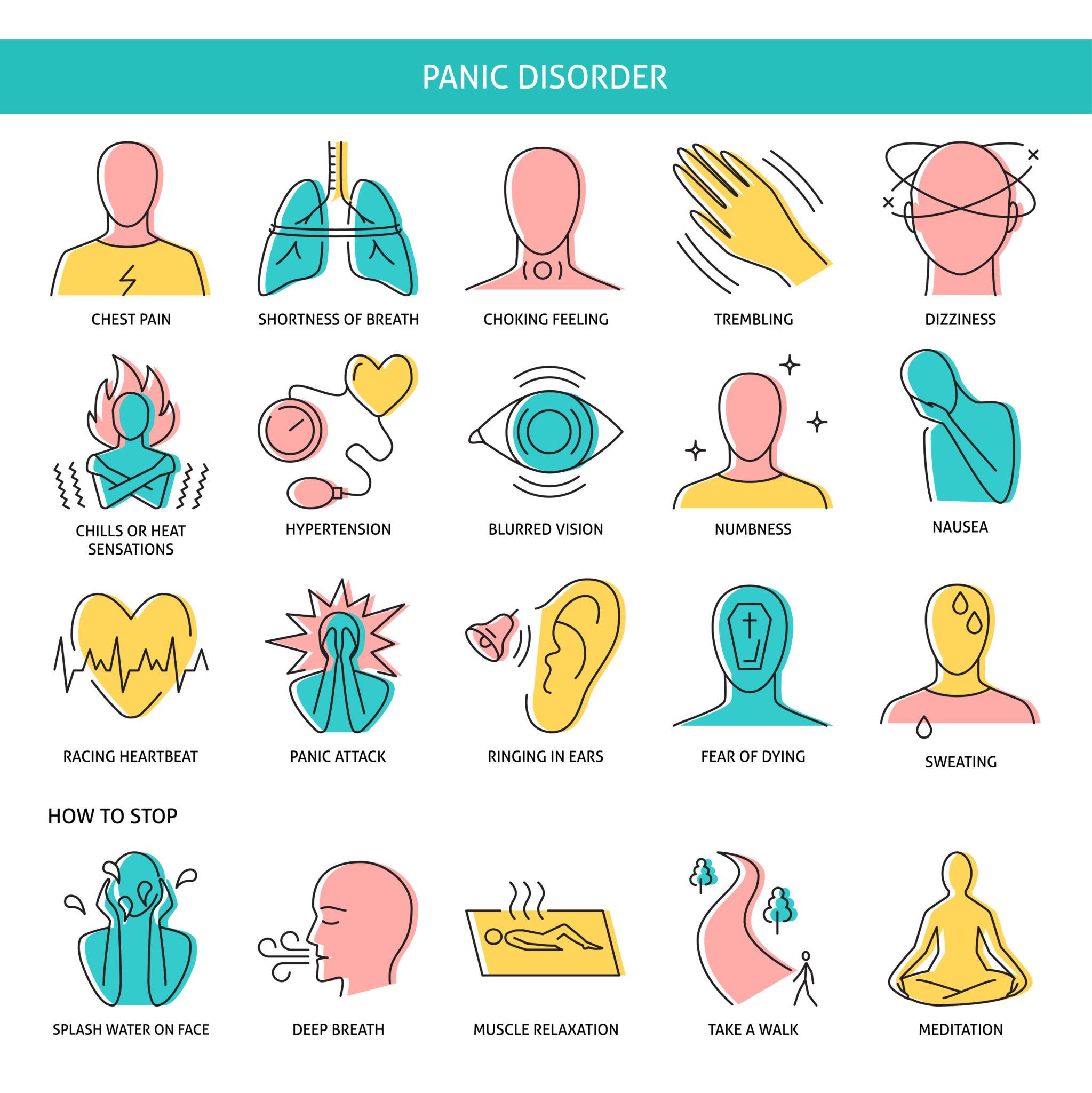
Cognitive Behavioral Therapy (CBT)
Cognitive Behavioral Therapy, or CBT for us in the know, is like the rockstar of panic disorder treatment. With a success rate rocketing between 70% and 90%, it’s the therapy everyone talks about at parties. CBT uses interoceptive exposure to help folks face their fears by dealing with those uncomfortable physical feelings head-on. Basically, folks learn to spot and change those nasty negative thoughts and habits that might trigger a panic attack. CBT’s like having a superpower toolkit packed with strategies and coping techniques to boot anxiety out of one’s life.
Exposure Therapy Techniques
Now, if CBT is the rockstar, Exposure Therapy is like the wise old sage of anxiety treatment. Often crowned the MVP of therapy for anxiety disorders, it’s famous for dealing head-on with scary stuff. You’re talking controlled face-offs with fears, whether imagined or in real life. Think of it as anxiety’s kryptonite – showing those pesky fears the door by dishing out some real-world, logical data, challenging those exaggerated fears. By gradually warming up to what scares the pants off them, people can slowly turn down the volume on their panic reactions, one fight-or-flight at a time.
Psychological Interventions
When it comes to Psychological Interventions, it’s all about digging into the nitty-gritty causes of panic disorder and smoothing out those wrinkles of stress. It’s like having a tool belt with relaxation techniques, stress-busting strategies, mindfulness magic, and emotional tune-ups. These interventions are as personal as a favorite pair of old sneakers—custom fit and all. They help folks navigate panic episodes and lessen the chokehold anxiety has on their lives day in and day out.
Putting CBT, Exposure Therapy, and Psychological Interventions into action doesn’t just empower people struggling with panic attacks to face their fears, but it also arms them with savvy skills and strategies. It’s all about reclaiming their mojo and revving up the quality of their lives. These interventions aren’t just all talk; they’re grounded in solid evidence and hold the key to lasting recovery. Here’s to happier, less anxious days ahead!
Neurobiological and Psychological Perspectives
Let’s take a peek inside the mind to see what’s buzzing when panic attacks strike. Knowing what’s going on upstairs, in both brain and thoughts, can be super helpful in coming up with ways to tackle the fear of these unnerving episodes.
Understanding Anxiety and Fear
Who hasn’t felt the jitters now and then? But when does it spiral into something bigger, like a panic attack? Anxiety disorders, a club no one wants to join, often come with looming dread of the unknown. It’s like living with a constant “what if” siren wailing in your head (NCBI).
Folks battling anxiety tend to have radar-like sensitivity to possible threats, even if they’re as vague as a shadow in the corner of your eye. This can make them see harmless things as dangerous, feeding the anxiety beast even more. And so it goes, a cycle that keeps churning (NCBI).
Judgment Bias in Anxiety Disorders
Ever heard the saying, “expect the worst, and you’ll never be disappointed”? That’s not just pessimism; it’s something those with anxiety disorders often grapple with. They might see the glass not just half empty but possibly poisoned. This is especially true for folks dealing with things like Generalized Anxiety Disorder (GAD), Social Anxiety Disorder (SAD), and PTSD (NCBI).
These skewed judgments turn maybe-okay moments into full-blown threats, cranking up fear and anxiety levels. Working through these thought kinks is a vital step in therapy, aiming to defuse the anxiety bomb before it goes off.
Effective Psychological Interventions
Overcoming the fear and chaos brought by anxiety and panic isn’t about ignoring it; it’s about staring it down. Therapy practically rolls up its sleeves to challenge scary thoughts and replace them with safety nets (NCBI).
Cognitive Behavioral Therapy (CBT) is a real champ in the ring against panic disorders. This approach often uses exposure therapy, like practicing with anxious feelings in controlled doses, until they lose their menacing hold (Brigham and Women’s Hospital).
So by snooping around the science behind our fears, we can find ways to better handle panic attacks. Using that knowledge in therapy might just offer a sneak peek of calmness, even in the face of another potential panic storm.