
Managing Panic Attacks with Planners
When life’s tossing panic attacks your way, a trusty planner might be your secret weapon. It’s like your personal GPS, steering you through anxiety highways, helping you set goals, keep tabs on progress, and pull out your best chill-out tricks. So, let’s chew over what planners can do for you and why goal-setting with them kicks panic to the curb.
Benefits of Using Planners
Think of a planner as your pocket-sized life manager, keeping everything from crazy Friday appointments to that ritualistic morning coffee in line. For anyone in the thick of dealing with panic attacks, planners offer a structured oasis for tracking daily chaos.
I remember reading an article that mentioned how a planner can help dig into your anxiety by spotlighting goals and keeping coping skills in the limelight. With planners, you’re essentially drawing a map of your anxiety zone—a bit of detective work to figure out what triggers those sweaty palms and racing thoughts. Plus, it turns progress into something you can literally see. Every little checkmark for a managed panic moment becomes a badge of honor.
And jotting down your mind’s chit-chat about panic attacks is like sneak-peeping at your own brain, helping you spot what needs fixing or a bit more love.
Setting Goals with Planners
Now, time to get serious with goal-setting. Tackling anxiety and panic needs more than just hope; it calls for slicing big, scary tasks into bite-sized pieces—hello, SMART goals! This acronym stands for Specific, Measurable, Achievable, Relevant, and Time-bound. It’s like breaking down Everest into some casual weekend hikes.
In that same article, they talked about shaping goals that whip anxiety into shape by easing up on panic triggers’ power. Here’s where your planner transforms into a chart of victories and slogs. Remember to scribble in things like deep-breathing sessions and don’t forget to schedule that well-deserved bubble bath.
Consistent checks in with your planner mean you’re not just winging it. Instead, you’ve got a bird’s-eye view of what’s working and where to pivot. The more you adapt, the more you master anxiety, gaining sweet, sweet control over your mental health saga.
By keeping tabs on the twists and turns, celebrating every small win, and tweaking the game plan as needed, planners are your steadfast ally for managing those pesky panic attacks.
Coping Strategies for Panic Attacks
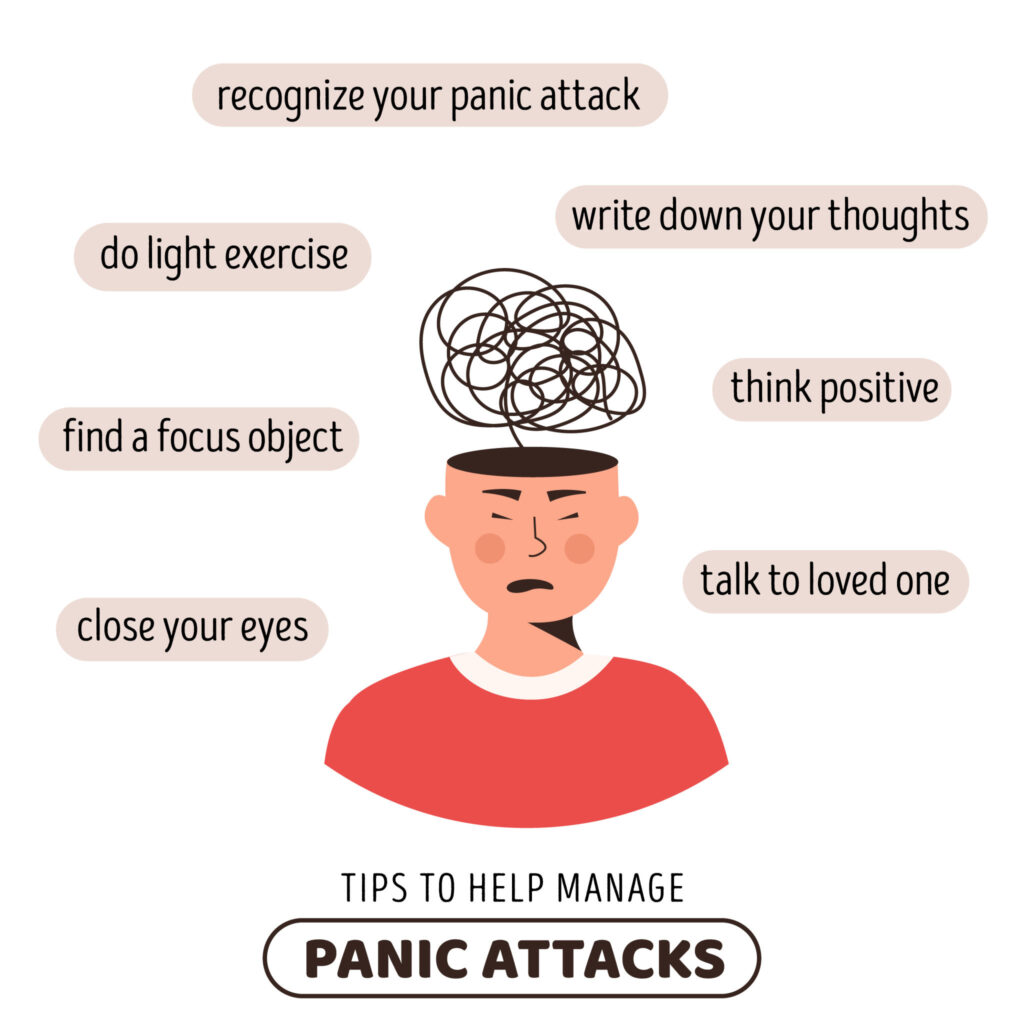
Hey! If you’re like me, panic attacks can be an uphill battle, but I’ve found some cool ways to take them head-on. Breathing techniques and grounding tricks have been my saving grace and can probably be yours too. They’re simple tools that can help bring a little calm into the chaos.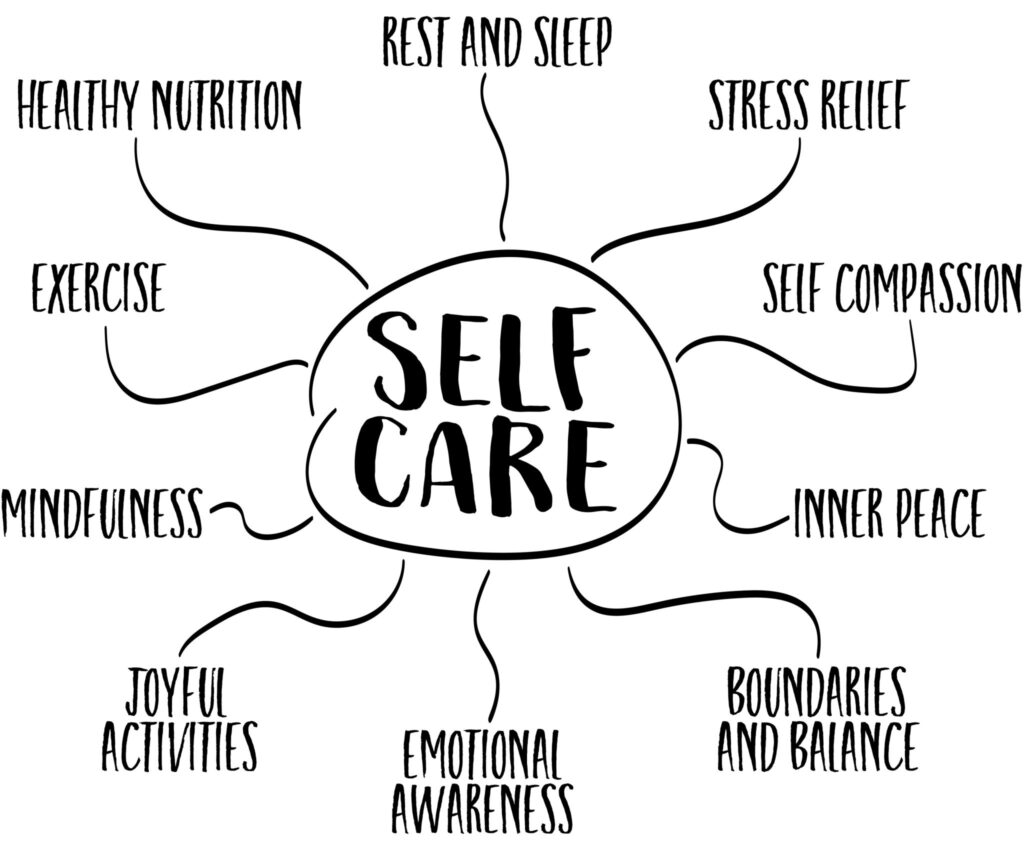
Breathing Techniques
Let’s start with breathing. Doesn’t seem much, right? But trust me, when your chest feels like it’s in a vice and you’re gasping like an asthmatic duck, breathing exercises are life savers. Deep breathing ain’t just for yogis; it’s a super tool for wrestling with anxiety and panic attacks. One go-to move I use is the 4-7-8 pattern. It’s about inhaling for 4 seconds, holding that breath a bit for 7 seconds, then going ahh for 8 seconds. Repeat until you feel the calm kick in.
The magic happens when you make deep breathing a habit, like that morning coffee. It really helps keep that gnarly anxiety monster at bay. Regular practice means you’re telling your body, “Chill, buddy. We got this,” and it listens. Before you know it, you’re the boss of your breath and, by extension, panic attacks.
Grounding Techniques
Grounding is like hitting the mental brakes. You’re melting down, and grounding swoops in and brings you back to now. These aren’t one-size-fits-all, but there are options, like picking colors you can see, objects you can touch, or sounds you can hear. Basically, anything that yanks your attention to the present like a hard delicious slap.
Writing or planning stuff down is another stellar trick. My journal’s become my own personal therapist. Whether I’m scribbling feelings or just jotting down what I’m going to do next, it calms the storm in my head. Notes, plans, or just doodles, writing is therapeutic; it clears your mind like deleting junk mail.
When panic starts creeping in, these little grounding rituals can be anchors. Next time your mind’s racing, try turning your thoughts into words, your stress into lists, or seek the blue sky behind all those storm clouds inside your head.
Breathing and grounding work hand in hand to tame the panic beast. They’re about building this rock-solid foundation of calm that can withstand even the worst mental quakes. Put them into play, make them part of your day, and with a bit of practice it’ll be like you’ve installed an inner stability app that’s ready when you need it most. Let these tactics be your guide and safeguard through the storm of stress.
Lifestyle Adjustments for Panic Relief
Dealing with panic attacks can feel like trying to catch a greased cat sometimes. But making some changes to how I live my life can really tone down those wild anxiety parties my brain insists on throwing. Simple tweaks like getting enough sleep, exercising, eating right, and finding time to chill can weave a safety net that keeps me from going off the rails.
Healthy Habits for Anxiety
Alright, let’s tackle this. I need to crash enough at night, bust a move regularly, chomp on good grub, and flex those relaxation muscles like it’s my very own Olympic sport. Oh, and I’ve got to spill the beans in my journal to tame those runaway thoughts. Therapy’s been a goldmine, teaching me tricks to tackle anxiety head-onI’m using those gems daily.
Having a planner handy is a lifesaver—this way, I mark off the days I’ve nailed my routine and slap high-fives with myself for managing a chaotic mind. It’s like having a buddy system with myself, so I don’t stray from the path of self-care and balance.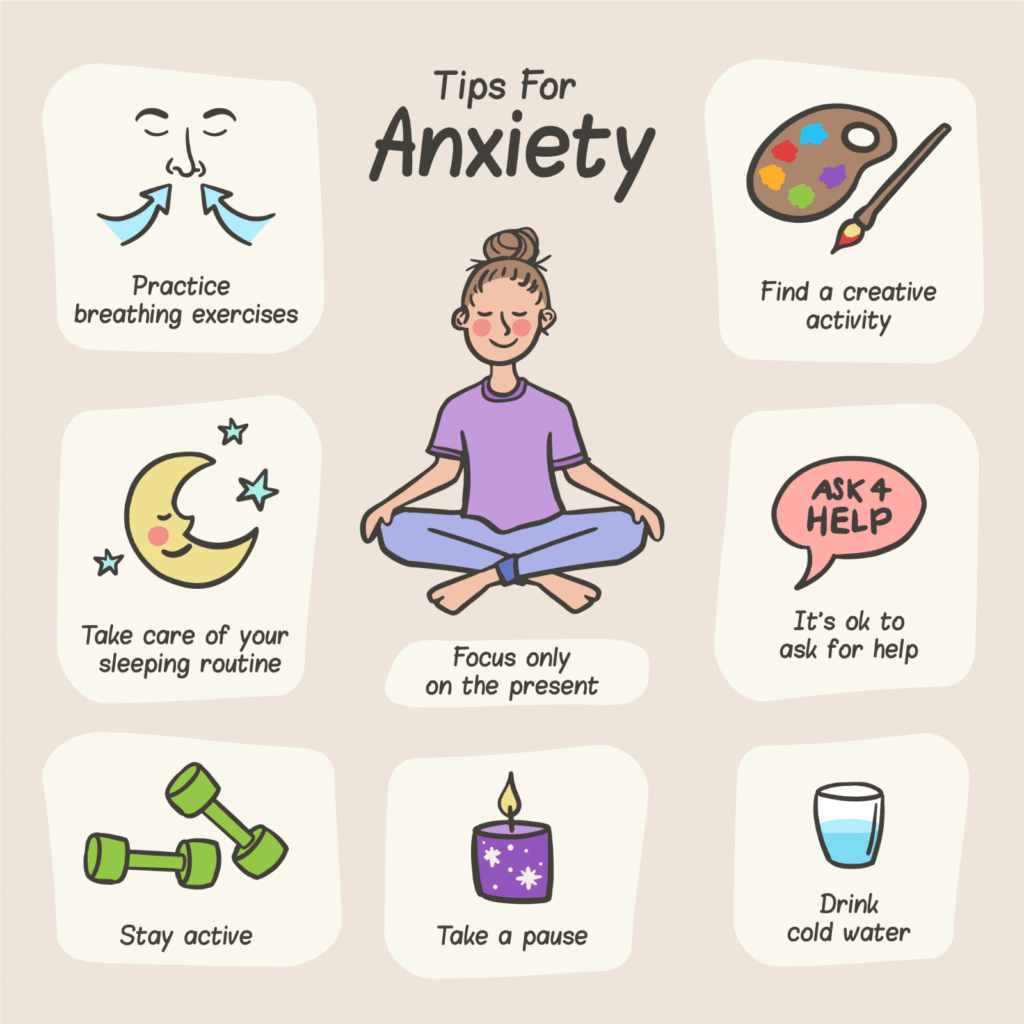
Importance of Meditation
Now, let’s talk about meditation—my secret weapon in the war against panic. Picture it as the Jedi mind trick that brings peace to my galaxy. Mindfulness and deep breathing is where it’s at when stress tries to knock me down. Imagine stress as a balloon slowly deflating—bye-bye tension, hello chill vibes.
Regular meditation sessions help dim the volume on panic, clearing my mind and allowing me to tap into my zen mode. When I meditate, it’s like pressing pause on the panic movie, giving me room to breathe and regain my footing.
By making meditation a staple in my day-to-day life, I’m building a tool belt full of personalized anxiety-busting techniques. And believe me, having a little inner peace on reserve can mean I’m ready to face whatever panic bombs life decides to lob at me.
Wrapping these lifestyle ropes around the runaway horse that is panic, building on solid habits, and giving meditation its rightful place in my life help keep those panic episodes from taking center stage.
Panic Attack Management Techniques
Okay, let’s get real about panic attacks: they’re like unexpected guests who show up uninvited. But don’t worry! We can put them on the naughty list with a couple of handy techniques, like Cognitive-Behavioral Therapy (CBT) and Visualization Techniques.
Cognitive-Behavioral Therapy
Cognitive-Behavioral Therapy (CBT) is kind of like having a superpower for managing those pesky panic attacks. If your brain is throwing a neighborhood block party of anxiety, CBT steps in to sort out the chaos. It helps folks who are dealing with mental health issues linked to panic attacks by getting them to rethink and recalibrate their thoughts and the actions that set those attacks off. No magic wand here, but CBT tackles those not-so-helpful thought cycles and reactions, giving you a toolkit for keeping panic at bay.
Within the realm of CBT, grounding techniques are solid allies. These strategies act like mental anchors, keeping you steady when panic waves roll in. They tune into the senses and involve you in physical, mental, and emotional grounding exercises that keep you rooted in the here and now. Before you know it, you’re less of a passenger on the panic train and more in the driver’s seat, cruising through with added poise and assurance.
Visualization Techniques
Visualization isn’t just daydreaming—it’s like taking a mini-vacation from panic-ville. By crafting mental pictures of soothing scenes or fond memories, you can steer your mind away from the stormy seas of anxiety. These exercises often guide you to envision calming settings or positive scenarios to snatch your attention from those panic-fueling thoughts.
Think of visualization like a mental spa day. You focus on your breathing, imagine a peaceful place where worries melt away, and feel a wave of calm flow through you. This “embodied thought” can shift your internal dial away from the physical jitters of panic and bring you back to a place of peace.
Mixing Cognitive-Behavioral Therapy and visualization into your game plan against panic attacks isn’t just smart—it’s empowering. This combo helps you tackle life’s tough moments with a brave face (and a cool head). By blending therapy with these relaxing tricks, you wind up equipped to handle panic, laying the groundwork for a calmer, brighter future.
Understanding Anxiety Disorders
Anxiety disorders are like tiny gremlins in your head that throw wrenches into your thoughts and actions. They don’t just mess with your mind; they can seriously cramp your social life and wallet too. It’s not just about feeling jittery; it’s about managing a weight that’s tough—and expensive—to carry.
How Anxiety Messes with Your Mind
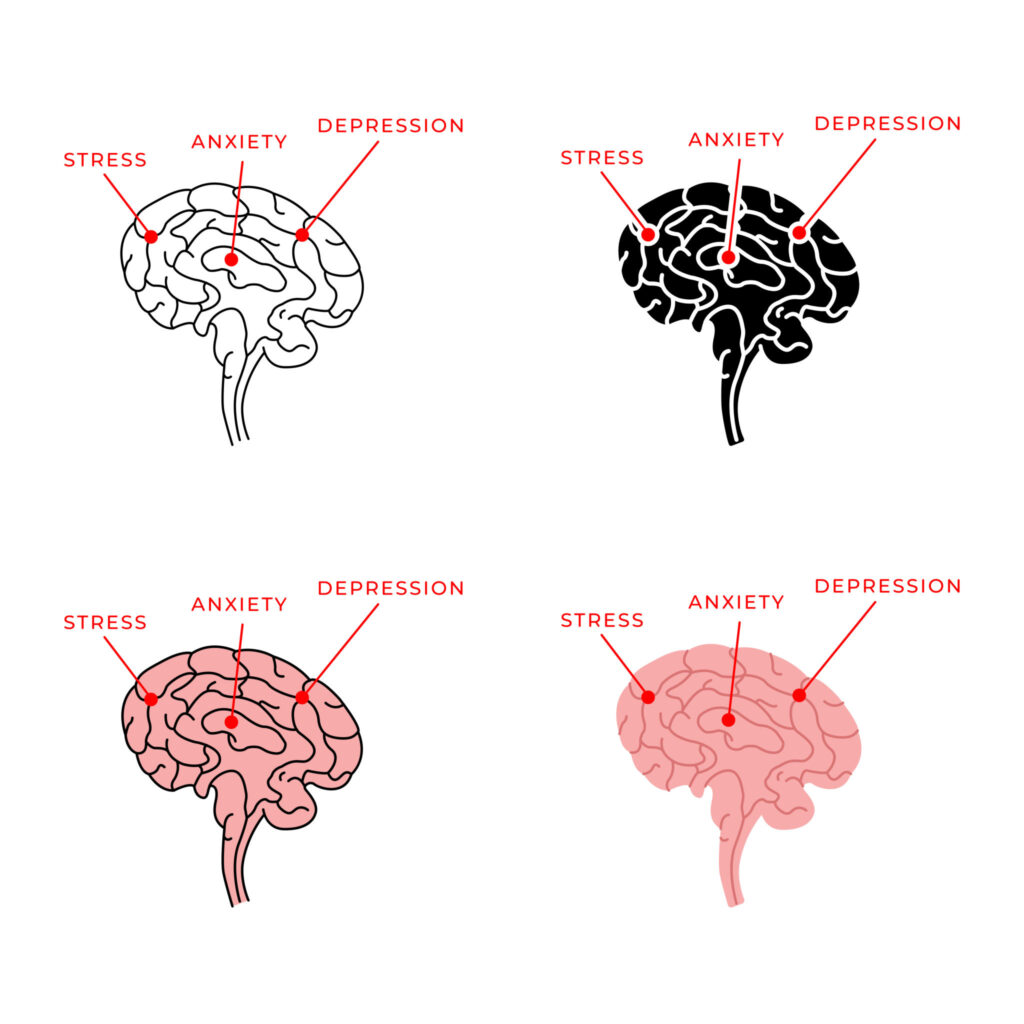
Folks dealing with anxiety often find their brains stuck in a loop of worry. Imagine trying to think straight while loudspeakers blare negative thoughts on repeat. It’s like your mind is trying to juggle while someone keeps tossing in chainsaws. Concentration? Say goodbye to that. Your brain’s radar is tuned to pick up “threats” that don’t even exist, making it super hard to focus or get things done. This creates a whirlwind of worry that’s tough to escape.
Funky Behaviors That Come With Anxiety
Living with anxiety can lead people down some odd paths behavior-wise. Imagine having a super-sensitive smoke detector in your house—it goes off at the slightest hint of “trouble”, and suddenly you think everything’s on fire. People with anxiety develop all sorts of habits to dodge their imagined “fires.” Sometimes these habits help, other times, not so much. One big area that gets hit is memory. So while you might be the best at making plans, your brain’s sticky note section is in chaos because of the constant worry screaming for attention.
Understanding the rollercoaster that anxiety puts people on is key to tackling it head-on. By shining a light on these brain games and habits, we can start to figure out ways to handle them better. This knowledge helps in piecing together treatment plans that make life a bit easier for those managing these pesky disorders.
Physiological Effects of Anxiety
Grasping how anxiety messes with you physically helps you get why folks with it might feel overwhelmed. Two critical parts of this story are sensory sensitivity and how your attention plays tricks on you.
Sensory Sensitization
When anxiety kicks in, it’s like turning up the volume on your senses. Some studies show that even harmless things might seem overly loud or bright to someone with anxiety. This means folks with anxiety can catch onto small details or tiny changes around them, even when these changes happen in a blink (in about a tenth of a second) (NCBI). It’s like being a hawk on the lookout, making everything feel heightened and noticeable.
Attentional Biases
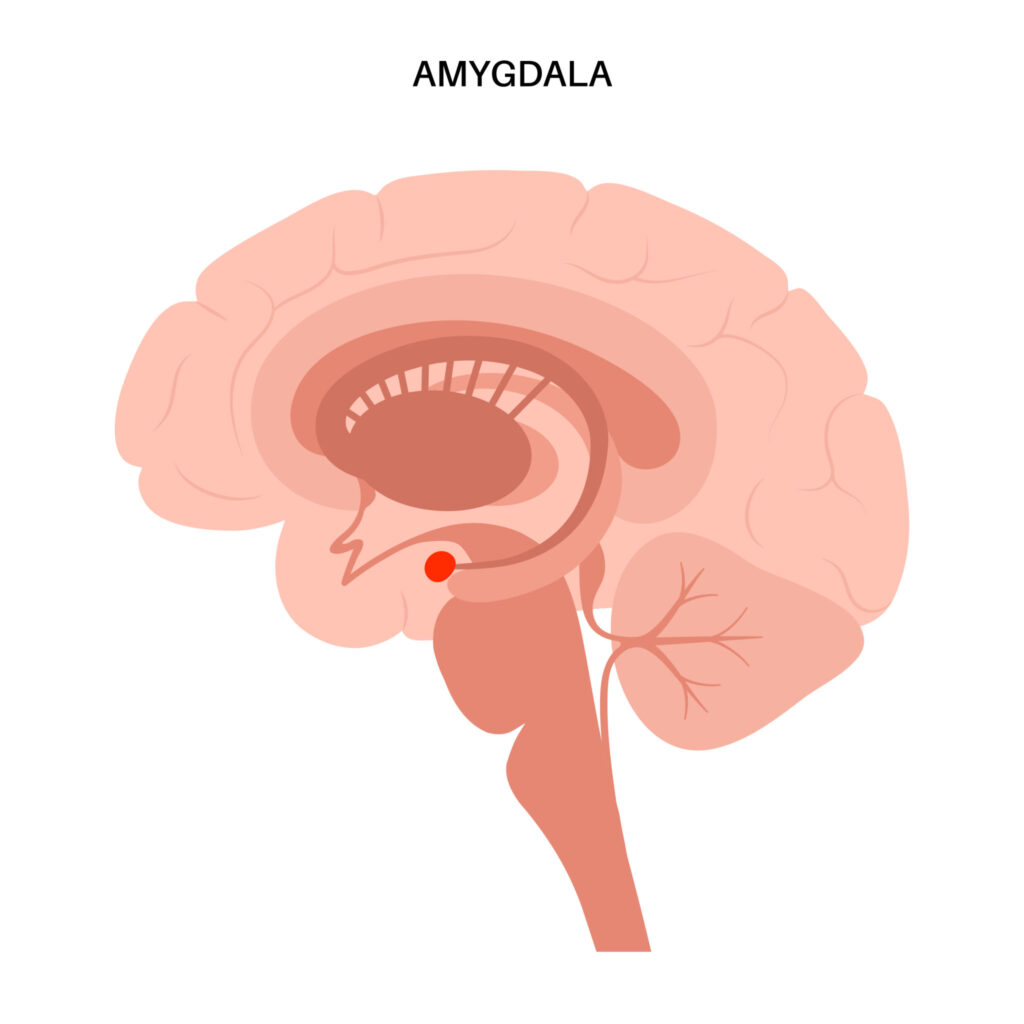
Anxiety doesn’t just amplify your senses; it can make your attention scatter, too. We’re talking about those moments where your focus easily slips, and distractions seem like pesky flies buzzing around your head. Studies suggest that anxiety can make people experience these attention glitches (NCBI). This might be due to your brain’s alarm bells, primarily in the amygdala, which can get way too wound up, causing trouble in zoning in on one task.
These anxiety-related twists in how you sense and pay attention paint a picture of how anxiety and thinking are linked at a really basic level. Knowing how these quirks work means you can start tackling them, offering a pathway to ease the hold anxiety might have on you, and lighting a path to feeling better overall.