

Understanding Panic Attacks at Night
If you’ve ever been jolted awake by a nighttime panic attack, you’re not alone. These sneaky bouts of anxiety can hit without warning, leaving you frazzled and sleep-deprived. Let’s dig into what these nighttime disturbances are all about so you can tackle them head-on.
What Are Nocturnal Panic Attacks?
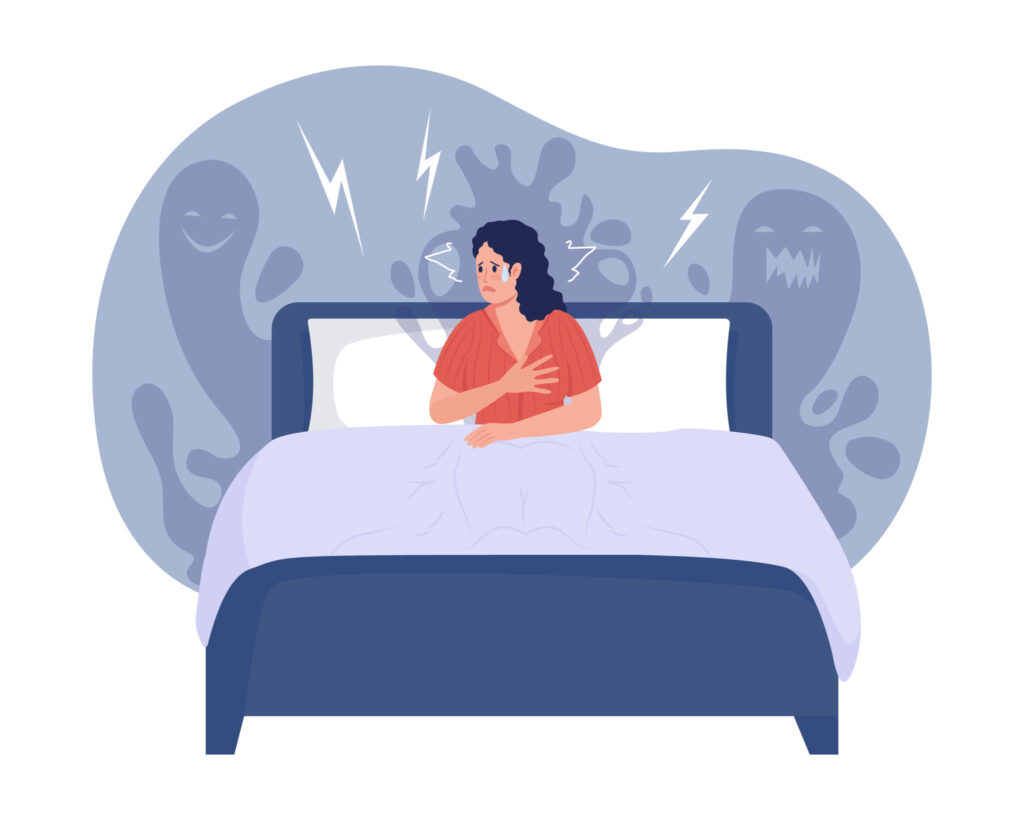
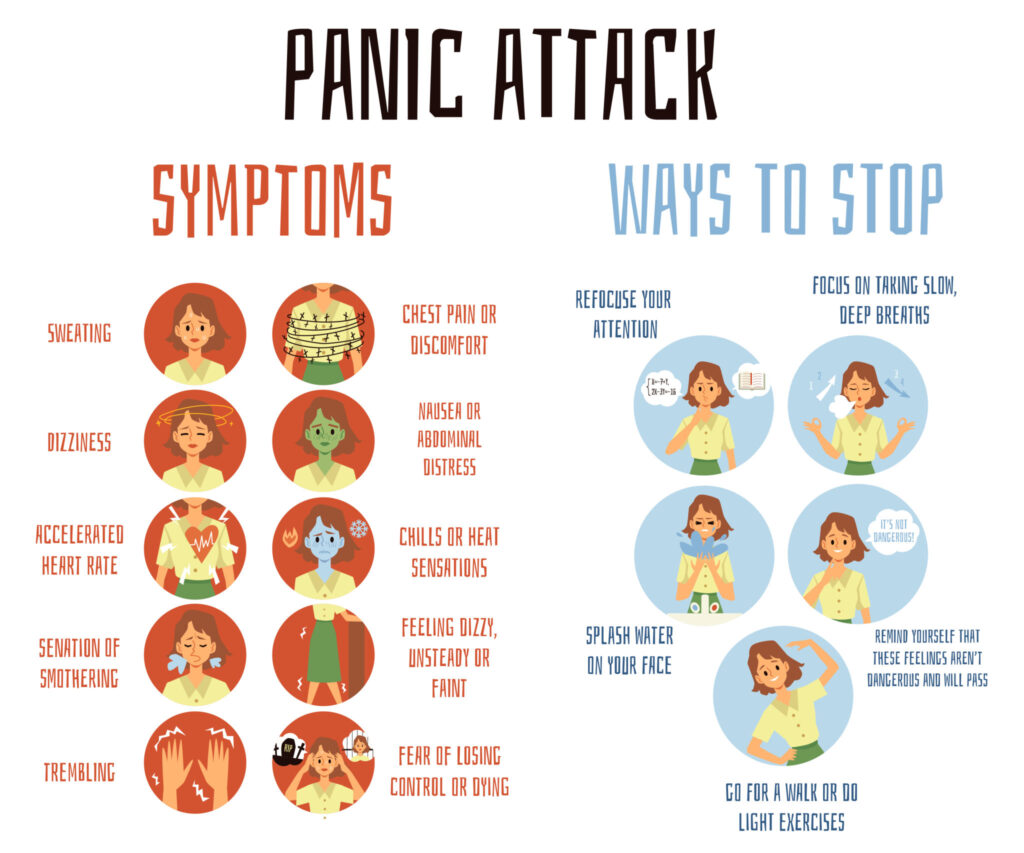
Imagine being fast asleep and BAM! Suddenly, you’re wide awake, with your heart racing and a good dose of fear thrown in. That’s a nocturnal panic attack for you. People often describe a sense of something terrible about to happen. These attacks might leave you sweating bullets, and your heart thumping like a drum solo. Here’s a run-down of signs that might rear their head:
- Sweating: Sometimes it feels like you just ran a marathon.
- Rapid heart rate: Your heart might take off faster than a NASCAR race.
- Trembling: Shakes that could rival the latest dance craze.
- Shortness of breath: Like trying to find air after a long-held breath underwater.
- Feeling flushed or chilled: Suddenly hot then freezing, as if your body can’t decide.
- Lightheadedness: Head spinning as if you’d just twirled around too fast.
Scary as they seem, these symptoms, thankfully, aren’t harmful. But boy do they feel real enough to trick you into thinking something major, like a heart attack, is going down. Knowing what’s a true medical emergency from a panic attack is key in staying calm and dealing with it properly.
For more expert advice, hop over to Mayo Clinic.
Symptoms of Nocturnal Panic Attacks
When these panic attacks hit in the dead of night, it’s not exactly a midnight joyride. The symptoms can crash in like an uninvited guest at your sleepover, often pretending they’re something very serious. Here’s how they usually present:
- Sweating: Out of nowhere, it’s like you’ve been hanging in a sauna.
- Rapid heart rate: Hearts pumping hard enough to put a speed meter on it.
- Trembling: The shivers as if you’ve just jumped into ice water.
- Shortness of breath: Feels like you’re in a breath-holding contest you’ve lost.
- Feeling flushed or chilled: Temperature swings that’d stump even the best thermostat.
- Lightheadedness: Floating away while your feet are still on the ground.
These symptoms peak fast, often feeling like a storm in a teacup—intense but over quickly. However, falling back to sleep after calming down can be a different challenge altogether.
To find out more about how you can handle panic swings, check out Medical News Today.
Understanding these signs means you can be ready to tackle them if they pop up, getting back to those sweet dreams that much faster. With the right know-how and support, you can give these night-time nuisances a run for their money.
Causes of Nighttime Panic Attacks
When diving into why panic attacks pounce on us at night, it’s key to figure out the elements that set them off. These nerve-wracking moments can sneak up on you like a bad dream, thanks to various culprits lurking in the shadows.
Factors Adding Fuel to the Fire
Panic attacks don’t discriminate—day or night, they can hit when you least expect. It’s a jumble of influences like family traits, life’s curveballs, and even changes in your brain’s wiring. While the puzzle isn’t completely pieced together, what is known is that your DNA, stress levels, and a tad of brain chemistry might be stirring this pot. Wanna dig deeper? Check out what the Mayo Clinic has to say about this mess.
If you’re genetically wired to be anxious, you’re likely more on edge and open to panic attacks. Chock it up to stress—whether it’s your demanding boss breathing down your neck, drama at home, or whatever life’s throwing your way—stress can roll out the red carpet for these attacks. And let’s not forget your brain, which might be flipping some switches in the background, adding its two cents.
The Sneaky Triggers
Nighttime panic attacks can feel like a home invasion of anxiety, with symptoms crashing in like unwelcome guests. Terror, racing hearts, sweaty palms, can’t breathe, nausea, stomach flips, and choking feelings—they’re part of the chaos. More on this at Clinic Les Alpes.
Naturally, these attacks can leave folks thinking they’re in serious trouble—like heart-attack-level trouble. Distinguishing a panic attack from an actual medical emergency is serious business, and it’s vital to get a doc in the loop to rule out other lurking conditions.
Sometimes, the plot thickens with thyroid issues, asthma, or sleep disorders, which mimic panic symptoms and make getting a clear diagnosis a nightmare. So, going over these with your doctor ensures you’re barking up the right tree by nailing down any sneaky conditions underfoot and finding a game plan (Mayo Clinic).
To box in these unruly panic episodes, understanding the mix of family traits, life’s hustle, and any sneaky medical conditions is a must. Tackle these factors head-on, so you can start taming these nighttime waves of dread.
Coping Strategies for Nighttime Panic Attacks
Now let’s face it, nighttime panic attacks can feel like unwelcome visitors that sneak up on us just as we’re trying to catch some Zs. But don’t worry, I’m here with a few handy tricks to help you keep those nerve-wracking late-night freak-outs at bay. You’ve got this—let’s jump right in!
Deep Breathing Techniques
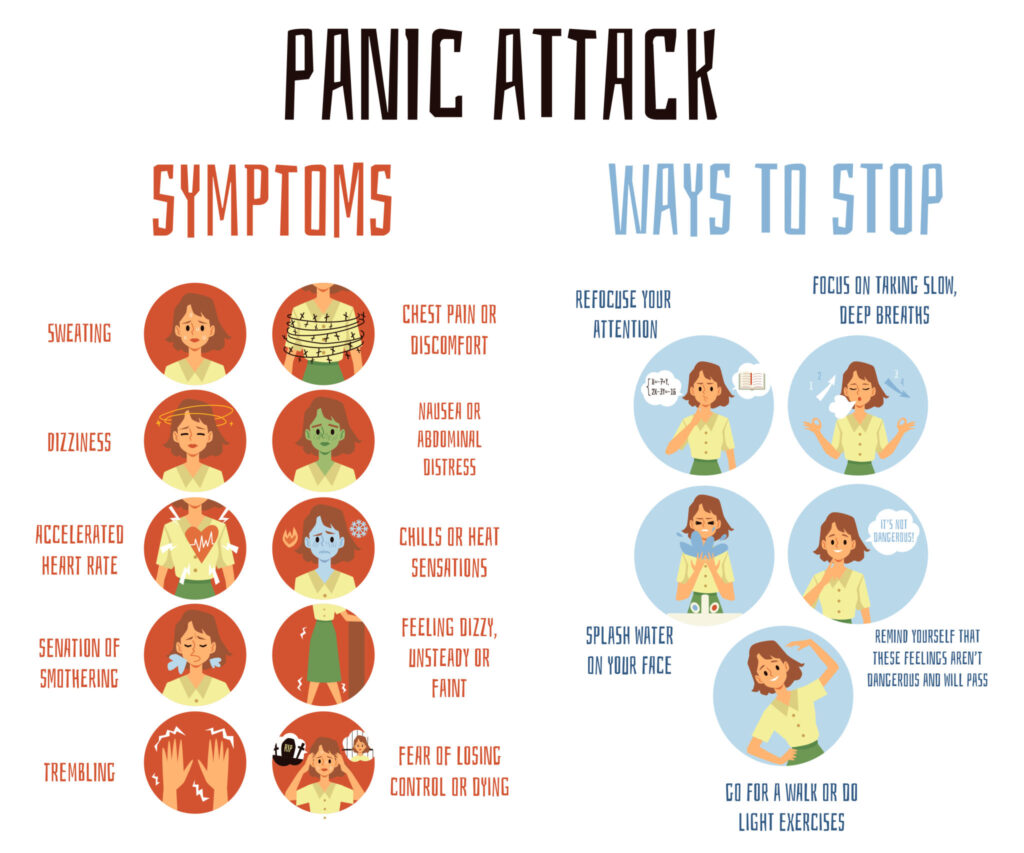
Ever found yourself gasping for air like a fish outta water during a panic episode? Yeah, me too. That’s where deep breathing comes in—simple but oh-so-effective. It’s kinda like telling your wild heartbeats to chill out. According to Medical News Today, taking deep, focused breaths can actually ease those anxious jitters. Here’s a step-by-step on how to do it like a pro:
- Breathe in through your nose real slow, and count to four while you’re doing it.
- Hold that breath for a quick sec.
- Let it out through your mouth nice and easy, counting to six.
- Keep it going till you’re back in control and feeling steady.
Grounding Methods
When the world feels like it’s flipping upside down during a panic attack, grounding techniques can be your superhero. These exercises drag your focus back to reality, wiping away feelings of being lost at sea. Here’s one grounding method to try on for size:
- Scout out five things you can see around you.
- Then, feel four things with your hands.
- Listen for three sounds, sniff out two smells, and—yep—take a nibble or sip to taste one thing.
It’s like a mini scavenger hunt that snaps you back to the here and now, easing that worrisome detachment-panic combo.
Light Exercise
A gentle walk or a bit of stretching? Those can be serious game-changers when late-night anxiety strikes. Even light movements kickstart those feel-good endorphins and dial down stress levels like magic. Medical News Today backs up that stretching your legs can soothe both body and mind, possibly making those panic run-ins a rare occasion.
Incorporate little workouts into your daily groove, especially if your anxiety’s acting up. An easy stroll before hitting the sack or some mellow stretching might just help tuck you in snugly for a peaceful snooze.
So there you have it! By weaving these coping strategies into your evening routine, you take steps towards transforming nighttime into your serene sanctuary. Find what clicks for you, and remember, a sprinkle of self-kindness and loads of patience can work wonders as you steer through this challenge towards a healthier mindset.
Treatment Options for Nocturnal Panic Attacks
If you’re battling those pesky nighttime panic attacks, there’s a bunch of options you might wanna check out to ease the symptoms and snag some shut-eye. Folks often find a mix of cognitive behavioral therapy (CBT), medication, or a dash of both does the trick.
Cognitive Behavioral Therapy (CBT)
Cognitive Behavioral Therapy, or CBT if you wanna sound all fancy, is pretty much the gold standard for tackling panic attacks, day or night. This therapy zeroes in on spotting and flipping those negative thoughts and behaviors that get panic rolling. With the help of a therapist who knows their stuff, you can pick up some nifty ways to keep those symptoms in check and maybe even dial down how often panic knocks on your door.
For tackling those nighttime freak-outs, CBT could have you doing stuff like rethinking your anxious thoughts, trying out relaxation drills, or facing what scares you little by little. Doing this kinda work helps you shake up unsupportive thoughts, keep your emotions on a leash, and slowly test the waters to face situations that make you panic. Stick with it, and you’ll walk away with some trusty skills to tackle those nightly panic visits.
Medication
Sometimes, doctors might suggest meds to give those nighttime panic attacks a swift kick. SSRIs, benzodiazepines, and antidepressants are the usual suspects used for helping out with panic problems. They mess around with brain chemicals responsible for anxiety and panic, so you can sleep a little easier when the sun’s down.
But hold up—chatting with a doc before you start any new pills is a must. They’ll check out what you need, keep an eye on how things are going, and tweak your doses as needed to get the best results with fewer hiccups.
Combination Therapy Approach
If nighttime panic attacks are making your life a rollercoaster, a combo of therapy and meds might be just the ticket. This tag-team approach lets you enjoy CBT’s benefits alongside the calming touch of meds, tackling both the head and the body to cut down those panic meet-ups.
This mix is all about covering your bases—a full-on plan that aims at the thinking patterns fueling your panic and any wonky brain chemicals stirring the pot. Medical pros fine-tune this plan to match your smile-to-frown ratio, assuring it fits like a glove for managing how panic impacts your snooze time.
Sniffing out the right fix—whether therapy, meds, or a combo—can make a big difference if those nighttime panic attacks keep busting in on your beauty sleep. Plus, with a little expert guidance, you could unearth some cool coping tricks, boost your well-being, catch better Z’s, and keep those panic attacks from outstaying their welcome.
Managing Nocturnal Panic Attacks
If you’re battling those midnight terrors, taking charge can really help ease those dreaded nocturnal panic shakes. You’ll want your ducks in a row with a panic attack plan and pairing that with the right treatment for handling this nighttime havoc.
Creating a Panic Attack Plan
Let’s face it, no one wants to feel like they’ve been thrown to the wolves during an episode. Having your own panic attack plan to whip out can make you feel boss-level prepared. Ever hear the phrase, “find your happy place?” Well, in this case, it’s all about chilling in a quiet spot, practicing some good ol’ deep breathing, and maybe fixating on something soothing (Medical News Today). Having this go-to plan isn’t just about looking like a pro in control—it’s personalized to your needs, making it your own tool for taming those panic episodes.
Seeking Suitable Treatment
If nighttime fear-fests are wearing you down, getting the right kind of help is seriously your best bet. Experts might suggest a combo pack of therapy and some meds not unlike what’s used when panic strikes in the daytime (Cleveland Clinic). The goal here? Get to the bottom of what’s eating you at night and sort it out so you can breathe easy.
Nipping daytime panic in the bud helps put the brakes on those night-time attacks, which shows why sticking to treatment is so golden (Cleveland Clinic). Meds like benzodiazepines, beta-blockers, or SSRIs could find their way into your doc’s arsenal to keep those panic episodes at bay. It’s all about sticking to what the doc ordered to finesse results while dodging nasty side effects (Medical News Today).
Link your personalized plan with good treatment tactics, and you’re paving a smoother road for tackling those night frights, putting you back in the driver’s seat of your well-being. Remember, reaching out to the pros is a game-changer in dealing with panic chaos and finding your steady groove for long-haul peace.
Impact of Nocturnal Panic Attacks
Living with panic attacks at night is like having an unwelcome visitor crash your slumber party. They don’t just mess up your night, they leave their grubby footprints all over your daily life, too. Poor sleep isn’t the only problem; it grates on your mental and physical well-being like a persistent itch you can’t scratch away.
Sleep Disruptions and Chronic Effects
Night-time panic attacks are like a misbehaving alarm clock, jolting you awake and leaving you wide-eyed when you should be snoozing. They snatch away your zzz’s, leaving you dragging your feet during the day and cranking up your grouchy meter past 11. Your brain, the ultimate multitasker, struggles with focus and memory when it’s crying out for rest. Work, friends, family life—all take a hit when you’re running on empty.
Getting stuck in this sleepless cycle isn’t just exhausting, it’s a snowball rolling downhill. Ignore it long enough, and it might just bowl you over with extra anxiety or phobias tagging along for the ride. The more tired you are, the more your nerves are stretched like an overwound tape—one false move, and everything snaps.
Mental and Physical Well-Being
Panic attacks at night are like your body’s way of playing a cruel prank—think racing heart, drenched skin, the shakes, everything screaming, “Doom!” It’s frantic, and the fallout can mess with your head, leaving you frazzled and worried about when the next attack is sneaking up.
It’s not just thoughts that get jumbled; your body feels it too—lightheadedness, gasping for air—and it’s not an act. Over time, these episodes chip away at your physical and mental armor, leaving you vulnerable to more panic and a life not quite lived at full wattage.
If you’re in this boat, grab a paddle and seek some help. There’s no need to let panic attacks steer your ship when there’s treatment and support to guide you back to calmer waters. Sorting out the root causes and learning to handle the turmoil can put you back in the captain’s seat of your own life, aiming for peaceful nights and brighter days.