 Finding Support Online
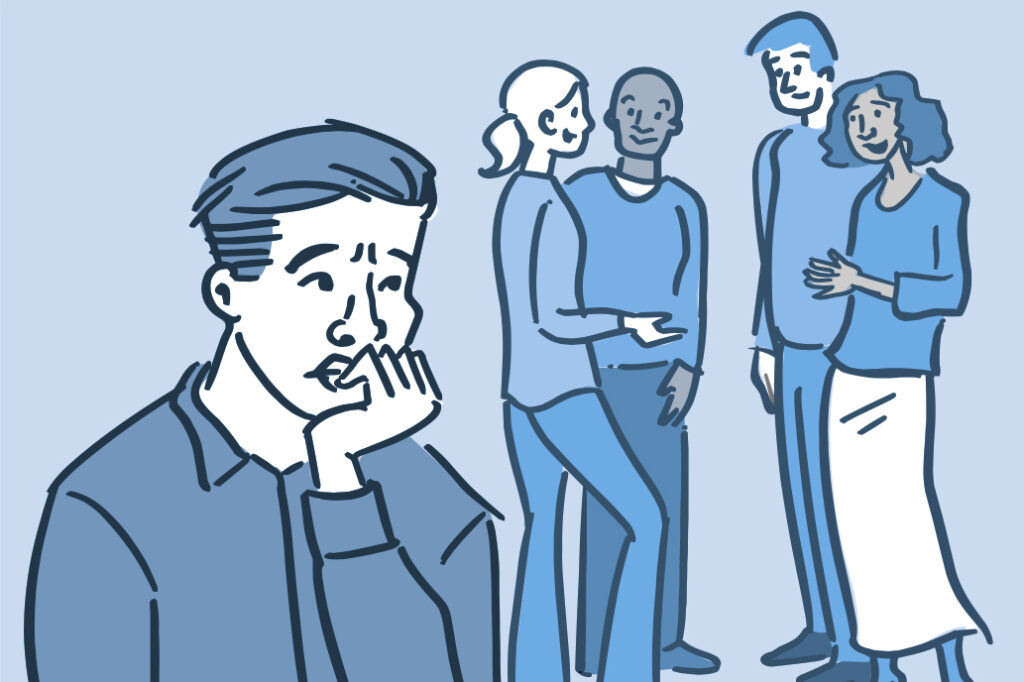
Dealing with panic disorder can feel like a never-ending rollercoaster, but meeting folks online who get you can be a real game-changer. The internet has unlocked a new treasure trove of communities where you can chat about your experience and feel a little less alone.
Virtual Support Communities
Jumping into virtual support communities for panic disorder can be a balm for the soul. Websites like the Mental Health Forum, found at www.mentalhealthforum.net, offer a place where everyone speaks your language. Imagine hanging out with people who understand exactly what you’re going through. You might talk with them about your day, share tips on handling anxiety or just listen when you need an ear. These interactions can make the world feel a little less lonely.
Utilizing Online Support Groups
Online support groups are like a comfy blanket for the heart, providing a space to exchange stories and support. These groups welcome folks dealing with all sorts of challenges, from chronic health problems to feeling marginalized in society (Self). It’s important to remember that while sharing online is comforting, it’s not a replacement for a good therapist. It’s more like texting a friend who’ve been through similar storms—you’re understood because they’ve walked in similar shoes (Self).
When choosing a group, it’s smart to check its vibes. See if the group feels well-managed, respects privacy, and keeps conversations respectful (Mayo Clinic). Ideally, these groups complement the care you’re already getting, providing a blend of medical insights and personal support (Mayo Clinic).
Joining these online spaces can mean finding a little more empathy and strength when you need it most. It’s like having a supportive hug from people scattered all over the planet, all rooting for you to heal and grow stronger.
Benefits of Online Support
When life’s got you down with panic disorder, diving into online communities for panic disorder support could be your little corner of peace. Beyond just the “it’s always there” convenience, these spaces deliver all the vibes—trust, understanding, and a sense of belonging that’s really something else when dealing with panic struggles.
Anonymity and Accessibility
These online hideaways let you open up without the pressure of showing your face or spilling too much personal tea. It’s a judgment-free zone where sharing your mental health story isn’t met with side-eye (LinkedIn). If the thought of a therapist’s couch makes you squirm, maybe chatting online behind a screen is a baby step in the right direction.
Plus, you’re not stuck worrying about who’s nearby or what the clock says. Day or night, these support groups have got your back whenever you need it—offering comfort right from your own cozy space. It’s like having a 24/7 support system tailor-made for the ups and downs of panic disorder.
Connecting with Similar Experiences
Jumping into these online spaces means you’re tapping into a well of folks who get it—whatever “it” is for you. Knowing there’s a tribe out there who completely understand helps validate your feelings and gives you the strength to deal with it all.
Chatting with others on the same emotional rollercoaster, sharing survival tips, and offering that virtual pat on the back, gives everyone a little more hope. This shared journey makes it feel less like a battle alone and more like a team sport towards healing.
When the chips are down or you’re lost in a cloud of doubts, reaching out to people who know panic disorder up close can be a lifesaver. Together, online support communities walk through the highs and lows, cheering each other on with genuine care and solid companionship.
The real magic happens when you find those like-minded folks and can chat without a name-tag. These online havens shine a light that cuts through the dark times, building a community grounded in empathy, shared stories, and a lifeline of resilience that’s just the ticket on the path back to feeling okay.
Evaluating Online Support Groups
So if you’re on the lookout for online communities to help with panic disorders, you gotta make sure they’re legit and safe. Different groups cater to various needs — from structured non-profit initiatives to casual meetups of folks just wanting to chat about life’s hiccups online.
Assessing Group Credibility
You wouldn’t jump into a swimming pool without checking it’s got water, right? Same goes here. Before diving into a support group, make sure there’s some mental health gurus or folks who’ve been through the mill and back at the helm. Good groups should have rules that keep things kind and comfy. Plus, do a little fact-checking on what’s being shared in there — real talk only, no quackery.
Ensuring Confidentiality and Safety
Now let’s chat about keeping things hush-hush. Sharing inside these groups shouldn’t come back to bite you. People should feel like they’ve got a secret handshake that keeps their stories safe. The group should lay out what happens with your info and promise not to play Telephone with it. Knowing it’s cool to speak out without some troll-breaking or mishandling your story is vital.
Joining an online support group can be a real game-changer if you’re working through mental health stuff. Science says these communities can help folks get through the dark times and keep them at bay. Bonus: online anonymity means you don’t have to pop your head out from under the covers — nobody snitching on your business. This helps people open up more, as they put less pressure on traditional therapy and kick mental health stigma in the teeth.
By making sure a group’s got its ducks in a row when it comes to credibility, privacy, and safety, folks living with panic disorder can tap into understanding and hands-a-helping community vibes, lifting their spirits and keeping the rough patches smoother.
Specific Online Resources
If you’re looking to find a safe place where people just like you understand what you’re going through with panic disorder, there are some solid options online. Two main go-to’s are mental health forums and peer-to-peer support platforms.
Mental Health Forums
Dive into the Mental Health Forum and you’ll find a corner of the internet that’s all about panic disorder and agoraphobia. It’s a spot where you can spill your thoughts, pick others’ brains for advice, and come across a treasure trove of useful info. It feels good to open up and talk with folks who just get it, especially when you’re trying to handle those pesky panic attacks.
Peer-to-Peer Support Platforms
The Anxiety and Depression Association of America (ADAA) hooks you up with an anonymous peer-to-peer group, bringing together a big crowd of over 60,000 folks dealing with not just anxiety but also depression, OCD, ADHD, PTSD, and more (Self). These places are like big hugs full of understanding, where you can swap tips, share a few laughs, and get a shoulder to lean on. Having other people who know what it’s like really helps when you’re battling panic disorder.
The way tech’s changing, these online communities are stepping up more than ever to lend a hand to anyone wrestling with their mental health, like panic disorder. They break down walls, lift people up, and remind us that no one has to weather the storm alone. By connecting with each other, we get to see that we’re stronger than we believed, and find buddies who’ll cheer us on every step of the way.
Importance of Moderation
Let’s chat about moderation in those online communities for panic disorder support. It’s like being the bouncer at a club but with a lot more empathy. The goal? To keep things safe and make sure everyone feels understood and supported. There are really two big things to this moderation deal: keeping conversations positive and keeping troublemakers at bay.
Promoting Positive Vibes
Getting folks to talk nicely to each other is like setting the table for a good heart-to-heart. Moderators step in like the cool friends who make sure the party vibes stay chill. They keep an eye on how people talk—no one’s getting dragged, and everyone’s encouraged to share a piece of their story. This vibe makes folks feel comfy enough to spill the beans on their stress, ask for pointers, and lend a helping hand without fear of judgment.
Thanks to this upbeat atmosphere, people from all walks of life find a haven where they can share, get advice, and talk about what works for them. It’s magical how such open chats can really help lighten some of the weight folks carry around panic disorder.
Keeping the Bad Stuff Out
Of course, there’s always the element of playing referee. Keeping a close watch for bad behavior is just as important. Moderators are like the neighborhood watch but online—ready to spot fibs, cyberbullies, or anything that might make someone feel lousy.
Just like in the movies, quick action is crucial. Nipping problems in the bud, playing by the rules, and steering those who’re struggling towards help is all in a day’s work. Trust is a big deal, so keeping secrets close to the chest and making sure everyone feels safe is top priority.
Moderation’s the balancing act between making sure everyone gets along and shutting down the nonsense. It’s all about crafting a warm corner of the internet where people reaching out for panic disorder support can feel at ease. This way, online scenes become more than just a chat room—they evolve into welcoming shelters of empathy, hope, and a shared path to getting better together.
Online Support for Panic Disorder
Dealing with panic disorder can feel like a rollercoaster ride without a seatbelt, but trust me, the vast web of online communities designed for this provide a comfy cushion for folks seeking understanding and guidance. These digital hubs are packed with handy resources and practical tools designed to help manage those nerve-wracking panic attacks.
Panic Disorder Resources
In the virtual world, folks having a rough time with panic disorder don’t just find resources, they find lifelines tailored to their needs. There are articles to ease your mind, self-help guides to turn to, and videos that break down what panic attacks are all about and how to handle them like a pro. Tapping into these resources can seriously up your game in understanding panic disorders, helping you to wrest back a bit of control over your own mental health narrative.
They’re not just educational—they’re transformative. They bring the latest info on treatments, DIY self-care, and everything you need for long-term pep. By using these resources, you’re not just learning about your condition; you’re arming yourself with personalized strategies to fend off those anxiety-ridden moments.
Managing Panic Attacks Virtually
Online support’s secret sauce for panic disorder? It’s all about tackling panic attacks without ever leaving your cozy spot. These virtual havens let you link up with others riding the same emotional rollercoaster. You can share your troubles, swap tricks, and find comfort in knowing you’re not alone. The digital world breaks down walls, offering immediate support and a place to exhale when panic hits, bringing about solidarity that’s both warm and welcoming.
Plus, there’re nifty online tools tailored to take on panic—think trackers to note down episodes, chill-out apps, and mindfulness exercises that help your noggin calm down and breathe easy. Using these digital aids daily cultivates a personal attack management plan, making handling those dreaded panic surges feel less daunting and more familiar.
Diving into online networks and embracing this virtual toolkit, you latch onto a powerful reserve of support. Resilience grows, coping skills sharpen, and before you know it, you’re setting off on a hopeful trek toward healing. These online sanctuaries for panic disorder support aren’t just helpful, they’re the lifeline you didn’t know you needed lighting up the way to mental well-being.