 Understanding Panic Attacks
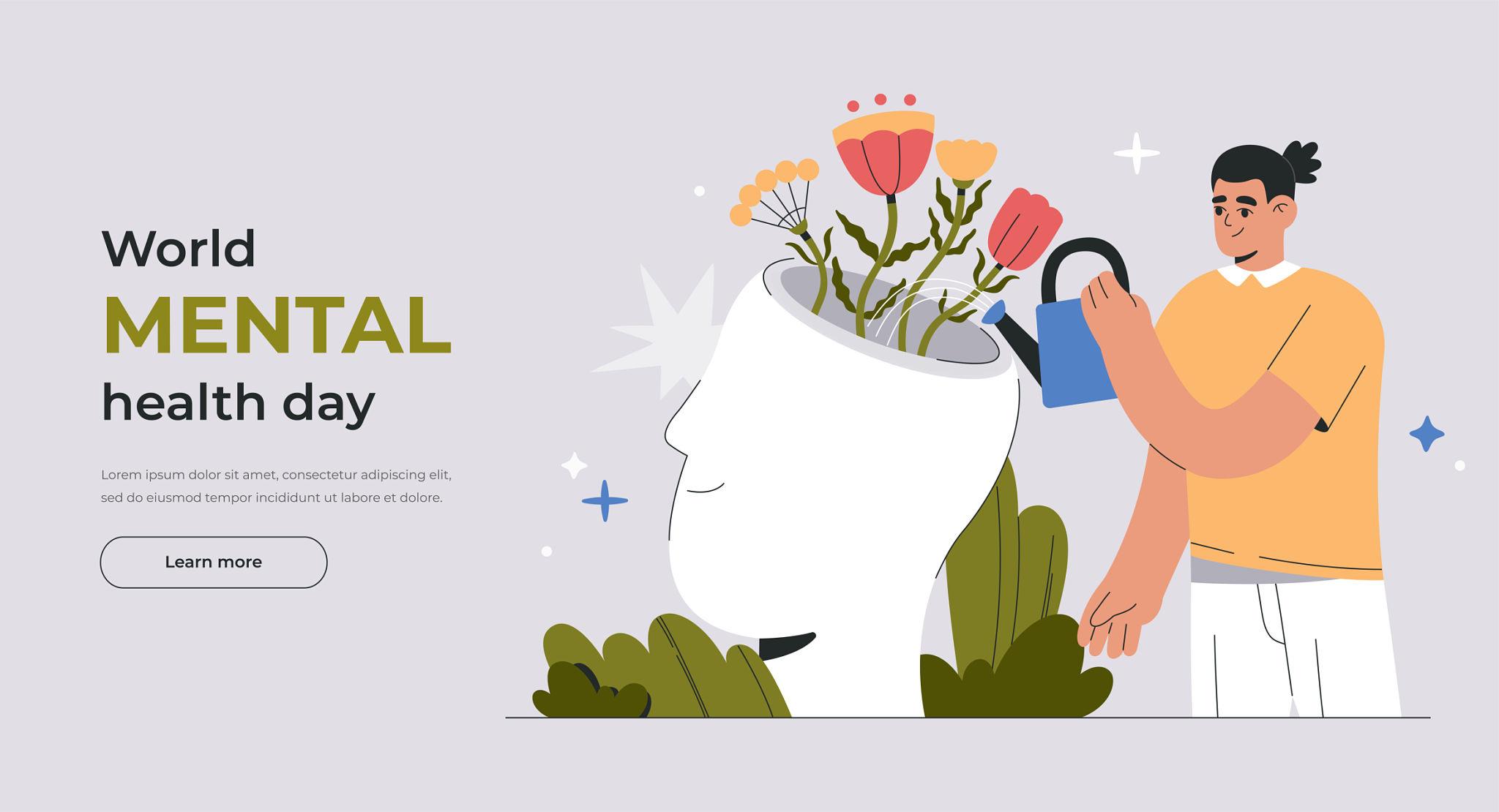
Panic attacks hit like a freight train—sudden bursts of fear and anxiety that show up uninvited, leaving you reeling. When these strike, they can bring along a parade of physical symptoms that make life an instant rollercoaster. It’s good to get the scoop on what they are and what they feel like so you can tackle ’em head-on.
Definition and Symptoms
Imagine getting hit with a fear tornado, out of nowhere, and peaking in just a handful of minutes. That’s what a panic attack feels like. Symptoms could include:
- Heart doing its best drum solo
- Sweat sneaking up on you like your worst nightmare
- Your body shaking like it’s auditioning for a dance competition
- Breathing becoming a strenuous chore
- A chest heavy with discomfort
- Stomach doing flips
- Feeling like gravity just took a vacation
- Pins and needles without the comfy seat
- Temperature problems—hello unwanted arctic breeze or blazing fire
- Fear you’re you’re losing your marbles or life itself
Nobody gets the same ride; one person’s overwhelming experience could be a bit different from another’s. But spotting these symptoms early is like your life’s own cheat code, helping you manage the chaos and find your way back to calm.
Prevalence of Panic Attacks
Panic attacks are more common than you’d guess—like, we’re talking a huge chunk of the population here. In the U.S. alone, about 40 million grown-ups find themselves grappling with these episodes every year. That’s roughly 18% of adults feeling the squeeze. Quite the crowd, huh? See more on their impact here: CPR AED Course.
There’s also panic disorder, which is like when panic attacks decide to crash your party uninvited, again and again, affecting 6 million folks in the U.S. Finding yourself panicking over non-threatening stuff? That’s panic disorder’s handy work, messing with your senses: CPR AED Course.
Picking up on the wide reach and signs of these anxiety busters is step one on the road to understanding what’s up and getting some help when needed. With a bit of insight, we can shine a light on mental health, helping our communities understand and support those going through these tough spots.
Causes of Panic Attacks
Getting a grip on what fuels panic attacks is a game changer when it comes to keeping them in check. These pesky episodes can creep up on you due to a mix of life hurdles, personal worries, and a few surprising culprits like some activities and substances.
External Stressors
Think of external stressors like life’s little curveballs that mess with your peace of mind. It could be a boss breathing down your neck, wondering if you’ve got enough in the bank to make it through the month, the grind of schoolwork, fighting with someone you care about, or dealing with big changes in life. Pinning down these outside stress factors is a necessary step to calming those panic attack storms.
Perceived Stressors
Perceived stressors live inside your head. They’re the stories we tell ourselves that ratchet up the anxiety, like expecting too much of ourselves, dreading we’ll bomb that presentation, or that voice in our heads that can’t stop the negative chatter. Tackling these mental gremlins by changing how we perceive them could ease the weight of anxiety that provokes panic attacks.
Activity and Substance Triggers
Let’s talk about what you’re doing and consuming. Some activities may feel like they’re pouring fuel on the anxiety fire, especially things like working out too hard, speaking in front of a crowd, or facing something that sets you off. And some substances—hello, coffee, booze, cigarettes, and certain drugs—can bump up anxiety levels by messing with your brain’s messengers.
Spotting what sets off panic attacks in your activities or with substances is key to keeping them at bay. By knowing which life hurdles, personal worries, or lifestyle choices might throw you off-kilter, you can map out your own battle plan to lessen panic attacks’ grip.
And if you’re looking to get deeper into outsmarting panic attacks, it might be worth checking out courses by experts like Dr. Rick Hanson, Dr. Ronald Siegel, or Dr. Caroline Leaf. They dish out solid tips and tools for navigating the ups and downs of panic attack causes and triggers.
Management Strategies
Panic attacks can feel like a whirlwind, but trust me, there are ways to wrangle them into submission. You’ve got a toolbox of strategies at your disposal that can help ease those symptoms and bring back that reassuring sense of control. Dive into some breathing exercises, explore calming practices, and if needed, chat with your doc about meds.
Breathing Techniques
Breathing—sounds basic, right? But when panic hits, breathing can be your best friend. Balance is key though. Breathing too slow isn’t the goal here; it needs to be just right. Too much slow breathing can actually mess up carbon dioxide levels in your blood, making you feel even more anxious. Folks with panic disorder are often caught in a cycle of low blood carbon dioxide, but getting those levels back to normal can be a game-changer for panic symptoms.
When panic sets in, deep breaths can help ease that feeling of a tight chest and slow down that racing mind. Picture gentle but steady breaths, flowing right from your belly. Making this a daily routine means you’re building your skill set against panic attacks, so when one hits, you’ve got the breathing chops to face it head-on.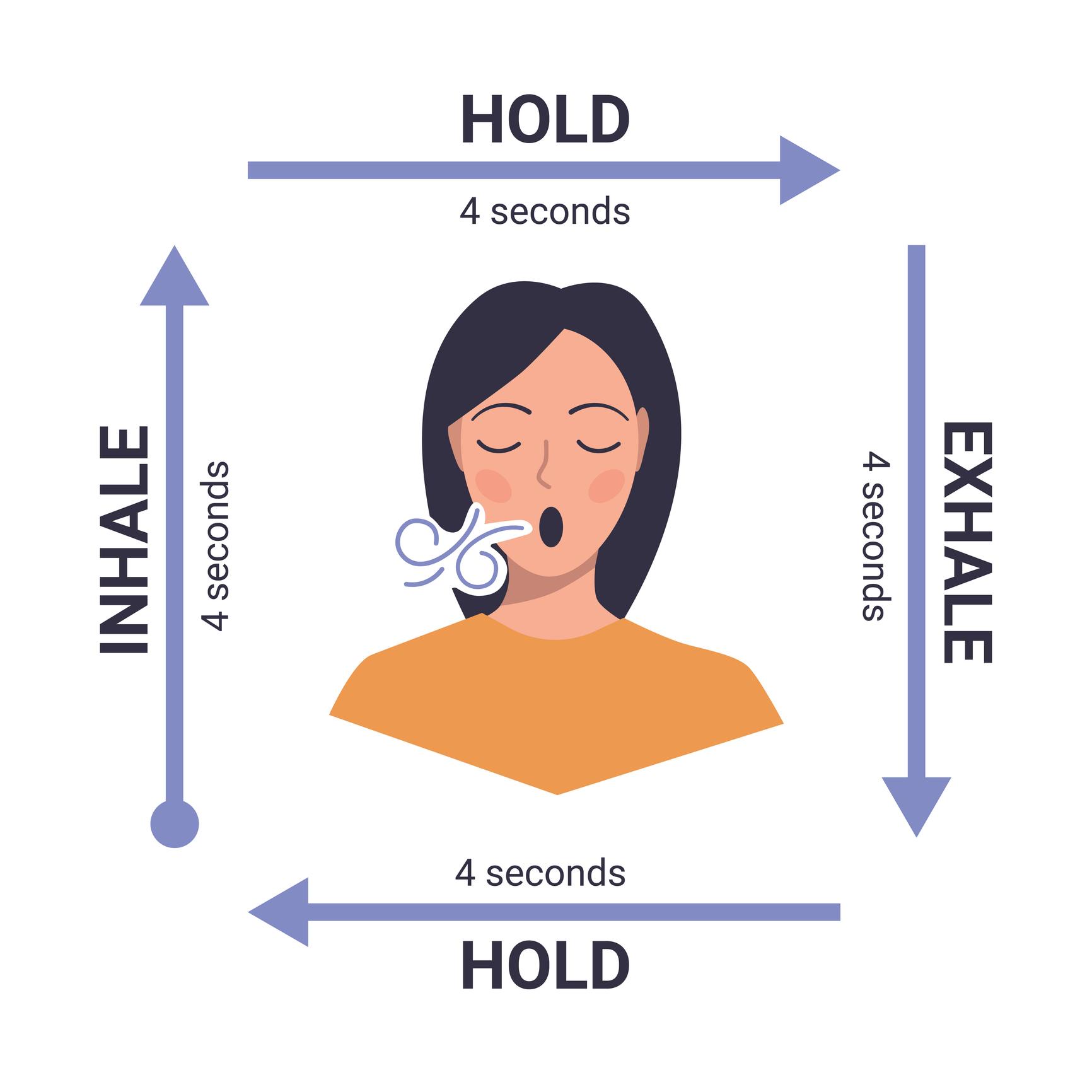
Calming Techniques
Breathing is just the start. Mixing in some calming routines can further take the edge off panic attacks. Think meditation, mindfulness, and progressive muscle relaxation. These aren’t just fancy terms—they’re solid tools to ground you when everything feels like it’s spinning. They shift your focus from the chaos to a more chill, centered state.
Incorporating these into your day-to-day life builds resilience. It’s like creating a toolbox of peace and calm that you can access anytime. You’ll have techniques to manage stress and anxiety, ready for action.
Medication Options
Sometimes, even with the best calming and breathing tactics, you might need a little extra help. That’s where medication can step in. Antidepressants, anti-anxiety medications, or beta-blockers might just be what the doctor orders to help steady the ship.
If panic attacks are frequent or feel like they’re taking over your life, getting a healthcare pro’s opinion is crucial. They’ll help untangle the root causes and consider if medication could be part of the plan to keep panic at bay.
By blending breathing exercises, calming habits, and potentially medications, you’ll craft a solid strategy to tackle panic head-on. Remember, it’s about what works for you. Tailor these techniques to your needs, and don’t hesitate to get professional guidance to keep those panic attacks in check.
Online Courses for Panic Attack Management
Deciding to tackle panic attacks through online courses can arm you with tools and strategies to cope better. Let’s check out the Oxygen Advantage Course and some other handy programs out there to help manage those nerve-wracking moments.
Oxygen Advantage Course
The Oxygen Advantage Course is all about the magic of breathing and its link to anxiety. By focusing on your breathing patterns, this course aims to soothe those pesky panic attacks by leveling out the carbon dioxide (CO2) in your blood. Some folks struggling with panic often show low blood CO2, which can hype up the anxiety. With the right breathing techniques, this course can help mellow out those symptoms.
This course is crafted to help you get a grip on how breathing ties into anxiety. Armed with knowledge and skills, you’ll take charge, dial down those attack impacts, and find a slice of tranquility.
Other Online Programs
Beyond the Oxygen Advantage Course, there are lots of other online programs ready to lend a hand to those looking for ways to handle panic attacks more effectively. These courses share various techniques and insights to aid in the journey to healthier mental well-being.
| Online Course | Description | Provider |
|---|---|---|
| “Concrete Strategies to Help Your Clients Overcome Anxiety” | Delivers practical methods to tackle anxiety, zooming in on panic attacks, OCD, or trauma-related anxiety | Dr. Rick Hanson |
| “Beating Depression: A Cognitive Therapy Approach” | Leans into cognitive behavioral therapy (CBT) to fight depression by tweaking negative thoughts and behaviors | Coursera |
| “Depression: Beyond the Symptoms” | Offers a broad view of depression, from causes and symptoms to treatments and impacts on life | edX |
| “Living with Depression and Anxiety” | Shares info and support for those dealing with depression and anxiety, exploring causes, symptoms, and coping strategies | Khan Academy |
Jumping into these courses gives you access to solid resources and expert advice to better understand and manage panic attacks. Check out these classes, and discover ways to deal with panic, ultimately boosting your overall quality of life.
Benefits of Online Learning
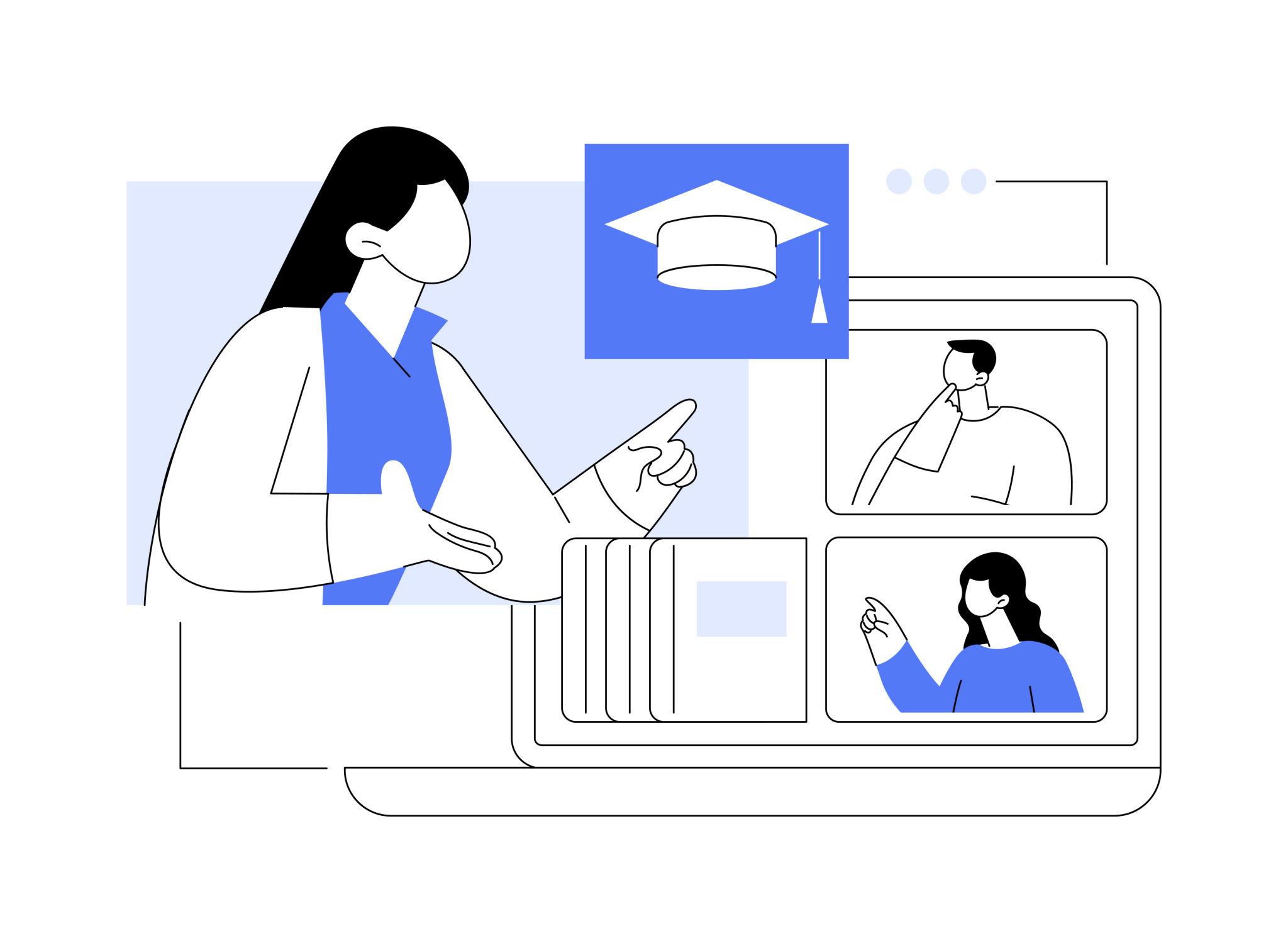
Have you ever considered checking out online courses to learn panic attack management? It’s like a treasure chest of opportunities, especially for folks looking to manage panic attacks. Let’s chat about two big perks of online learning: the freedom it gives you and how it dials down stress levels.
Flexibility in Learning
Getting a degree or diving into online courses isn’t just about bagging knowledge—it’s about doing it your way. Unlike traditional campuses, online learning is a bit like a choose-your-own-adventure book, as Learn.org mentions. For those dealing with panic disorder, this kind of flexibility can be a game-changer, lessening the weight of anxiety tied to attending physical classes.
Take places like Charter Oak State College or the University of Maryland Global Campus, for example—they let you earn degrees without ever sitting in a lecture hall. You can hit the books—or screens—whenever it suits you, join discussions, or hand in assignments when you’re ready, which kind of puts you in the driver’s seat of your education (Learn.org).
Plus, these programs often provide several start dates throughout the year and adjustable term lengths, a neat feature of the University of Maryland Global Campus. Such flexibility allows students with panic disorders to shape their learning around their lifestyle, avoiding panic from rigid deadlines or demanding schedules.
Reduced Stress Environment
For some of us managing panic attacks, online learning is a bit like finding a cozy nook away from the chaos of a physical classroom. The beauty here lies in learning from your own comfy corner, free from stressors that might crank up anxiety levels.
Most online courses let you learn at your own speed, which is pure bliss if you have conditions like panic disorder. Programs like MyPath from UMass Global toss out any strict deadline pressures, creating a feel-good vibe for learners (Learn.org).
This stress-free setting empowers you to absorb your coursework without the looming fear of an unwanted panic episode. Offering a calm and supportive environment, online courses for managing panic attacks help you boost your coping skills and build resilience on your own terms.
Expert-Recommended Courses
When you’re on the hunt for online help to tackle panic attacks, it’s worth checking out programs that the pros swear by. Here’s a peek at three standout courses experts often recommend for dealing with anxiety:
Dr. Rick Hanson’s Course
Step into the world of stress-busting with “Dealing With Anxiety With Dr. Rick Hanson.” At just $29, this 34-minute crash course gives you five powerful tricks to chill out and keep those jittery feelings in check. Led by Dr. Hanson—a psychologist who’s got mindfulness and brain science down to a tee—this course is all about getting you calm and collected. Want in? Head over to Rick Hanson’s course for the 411.
Dr. Ronald Siegel’s Course
If you’re really looking to dig deep, Dr. Ronald Siegel offers “Concrete Strategies to Help Clients Overcome Anxiety,” a beefy $197 course filled with 7 hours of videos and transcripts. Perfect for professionals, Dr. Siegel—a Harvard Psych whizz—lays out step-by-step plans to tackle anxiety-heavy stuff like panic attacks, OCD, and trauma. Everything you need to know is here at Dr. Ronald Siegel’s course.
Dr. Caroline Leaf’s Course
Got a week to spare for a calmer mind? Dr. Caroline Leaf’s “Calm Mind: A Scientific Guide to Managing Anxiety and Depression” might just be your jam. During this 7-day program, Dr. Leaf, a brainy cognitive neuroscientist, walks you through how to chill out and keep those pesky thoughts at bay. Lucky you, it’s part of the Mindvalley Membership and packs in 2.5 hours of solid advice. Get the lowdown at Dr. Caroline Leaf’s course.
Picking courses from brainy folks like Dr. Rick Hanson, Dr. Ronald Siegel, and Dr. Caroline Leaf gives you a toolkit for tackling anxiety straight from the experts’ playbook. With tried-and-true advice, you’ll be prepped to grab the driver’s seat on your mental health journey, ready to roll with whatever life throws your way.