
Understanding Psychological Stress
Let’s chat about stress—the kind that folks in demanding jobs like emergency services and healthcare deal with. These heroes are often neck-deep in stressful situations and face heaps of pressure. Getting a grip on how these intense experiences, along with the mental struggles they might bring, impact them is a game-changer for offering the right support and care.
Impact of Traumatic Events
Imagine having a job where “bad day” doesn’t cover it. First responders and healthcare workers often come face-to-face with traumatic events—you know, the nightmare-inducing kind. It’s hardly a surprise that such high-octane moments can shake up their mental health, leading to tough stuff like PTSD, feeling worn out from all the empathy (compassion fatigue), or plain old burnout. Spotting and tackling these mental health speed bumps is crucial when we’re talking about keeping these professionals in their best shape, both mentally and physically.
Mental Health Challenges in First Responders
Remember back in 2018, when a study among Canadian Public Safety Personnel (the unsung heroes like firefighters, police officers, and more) showed that a staggering 26.7%—over a quarter of them—dealt with symptoms hinting at more than one mental health disorder? Yikes. That says a lot about how common mental health struggles are in their circle. This isn’t something we can sweep under the rug; we’ve got to build rock-solid support systems to help these brave souls face their challenges head-on.
Barriers to Seeking Mental Health Support
But here’s the kicker: getting the necessary mental health support isn’t a breeze for these folks. The roadblock? Stigma, the big scary monster that makes asking for help feel like wearing a neon sign saying, “I’m struggling.” We need to bulldoze these barriers and make chats about mental health as normal as discussing the weather. Ensuring that those who keep us safe can freely get the support they need is not just important—it’s essential.
Recognizing the toll of traumatic events, the mental rollercoaster first responders endure, and the barriers they face to get help is just the first step in creating a decent game plan for their well-being. By honing in on these areas, organizations and mental health pros can step up their game, crafting environments that foster resilience and ensure the mental wellness of these everyday heroes who give so much to their communities.
Implementing Support Programs
Let’s talk about something vital—taking care of those who care for us: first responders and emergency personnel. Their mental health is key and one way to do this is with well-thought-out support programs. Meet the STEADY Program. This initiative has its sights set on the wellbeing of Public Safety Personnel (PSP) and Healthcare Workers (HCWs) by tackling those pesky post-traumatic stress injuries (PTSI) head-on with solid prevention strategies.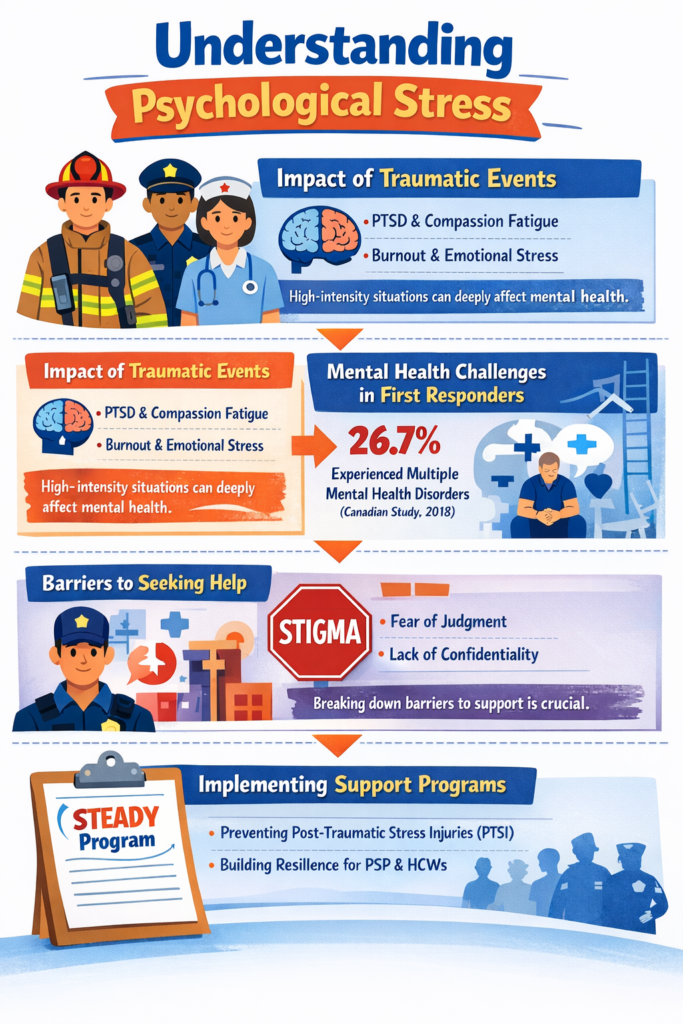
The STEADY Program
Why is the STEADY Program getting a shoutout? Because it’s like a multi-tool for mental health, streamlining the way folks can access help and building bridges between people. Here’s what’s in the toolbox:
- Peer partnering – because, sometimes, it’s easier to talk to someone who’s been in your shoes.
- Distress tracking – keeping an eye on stress levels before they spiral.
- Psychoeducation – turning technical lingo into understandable, useful stuff.
- Peer support groups – small communities within the community.
- Community-building activities – bringing people together for team spirit and mental wellness.
These moving parts work together to offer support to both diverse and specific groups within PSP and HCWs, promoting mental health like it’s everybody’s business (PMC).
Components of Critical Incident Stress Debriefing (CISD)
After the storm of a critical incident, entering calm waters is essential. The Critical Incident Stress Debriefing (CISD) is a structured process to help with exactly that. Here’s the lowdown on its seven-step journey:
- Introduction – set the stage for open conversation.
- Fact phase – what happened?
- Thought phase – what’s going through your head?
- Reaction phase – how did it make you feel?
- Symptom phase – recognize any tanigible effects.
- Teaching phase – here’s what we can learn from this.
- Re-entry phase – bridge back to normal life.
Going through these steps helps ease mental health bumps, keep substance issues at bay, stop relationship rifts, and snag those elusive Z’s post-trauma (Verywell Mind).
Efficacy of Peer Support and Psychoeducation
So, does all of this work, you ask? You bet it does! Having others who’ve got your back in peer support, tracking distress levels, teaching folks what they need to know through psychoeducation, and having groups ready to listen and assist really makes a difference for those in high-stress roles. Check these out:
- CISD doesn’t just whisper sweet nothings—there are real health gains involved. Military personnel, for instance, have better mental and physical outcomes with organized, timely help (Verywell Mind).
- Look at it this way: imagine emergency workers dealing with less burnout and more staying power thanks to optional CISD, which has shown promise in turning down the volume on trauma symptoms (Verywell Mind).
Getting these components from CISD into helping hands like the STEADY Program gives workers the mental resilience they need to face what comes their way and puts a spotlight on a mindset of healing and community support.
Debunking Psychological Debriefing
When you jump into the world of psychological debriefing, including Critical Incident Stress Debriefing (CISD), you find a nest of debates on whether it actually works or is just a misunderstood practice.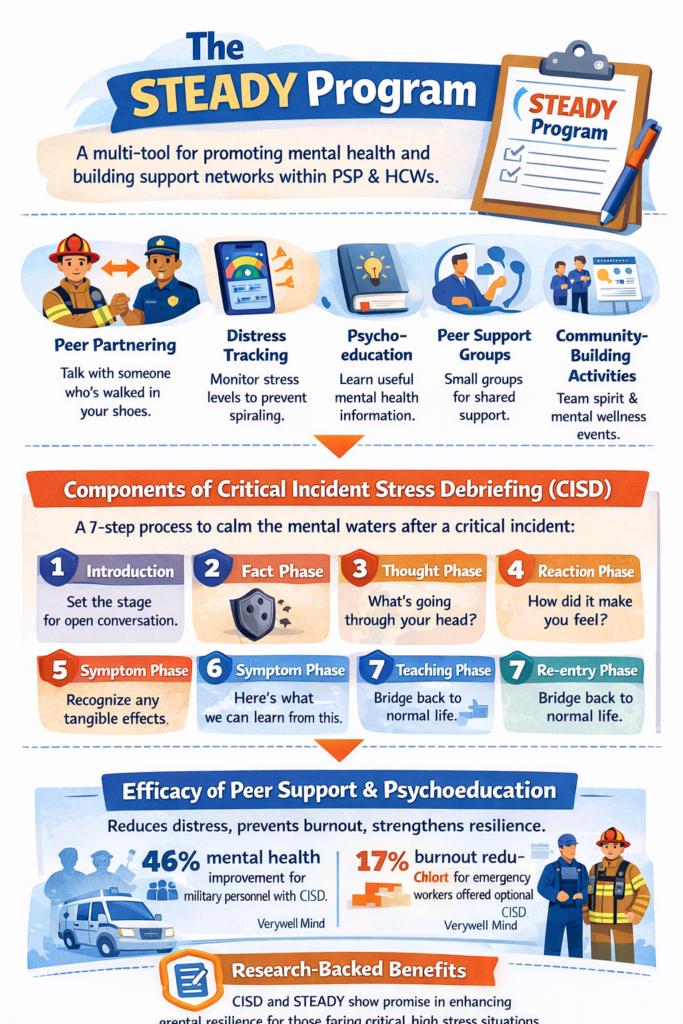
Effectiveness of Psychological Debriefing
According to NCBI, studies suggest that psychological debriefing, especially the one-shot type after trauma, doesn’t really have the backup it needs for preventing PTSD or cutting down on the mental mess like stress, depression, or anxiety. Honestly, the numbers say debriefing didn’t stop PTSD from showing up, nor did it ease psychological distress when put next to other methods like simple chats or info sessions.
Debriefing tries to give a quick helping hand to folks who’ve been through rough times, like soldiers, but it doesn’t seem to pull its weight in shrinking PTSD symptoms. So, maybe it’s time to rethink the hype around individual debriefing and shine a light on methods that actually work based on solid evidence for helping folks after they’ve seen some things.
Misconceptions about Debriefing
What’s also bugging the debriefing scene is how many people drop out of these sessions compared to sticking around for other types of support, as the NCBI points out. It makes you wonder if debriefing is the best move post-trauma.
Moreover, research keeps saying that debriefing sessions, even the CISD, might not be the golden ticket for warding off PTSD or stress for people who’ve been through the wringer. Lack of clear proof about debriefing’s worth underlines why it’s crucial to think twice about its use in mental health programs for the military and others in the aftermath of serious events.
With mental health support practices changing all the time, busting myths and chasing down evidence-backed tactics is the way forward to boost resilience and well-being in those hit by trauma. Health bodies and pros should go for strategies with the right kind of backing to honestly support people dealing with the fallout of critical incidents.
Application in Military and Healthcare
Cramming stressful jobs like military duties and healthcare hustle? Yup, you’re not alone. Folks in these fields deal with crazy-pressured spots. But here’s the kicker: Critical Incident Stress Debriefing (CISD) steps in with some mental smooth-sailing and makes sure folks stay tough. So buckle up, while I break down how it all works for our service members, our healthcare heroes, and, of course, those moments in escorting the chaos.
Benefits for Military Personnel
We’ve all heard that boot camps train the body, but what about the mind? According to some smart folks at Verywell Mind, CISD does wonders for the mental fitness of our troops. Get this: when led by someone who knows their stuff at just the right moment, these sessions help soldiers cope better, feel less stuck after rough events, and connect with their mates over shared experiences.
Bringing CISD into the barracks builds a vibe where talking about mental wealth is as routine as polishing boots. Hit tough spots head-on, and soldiers can walk through tough stuff with less trauma baggage and more mental armor.
Support for Healthcare Workers
Ah, the wild world of hospitals! It can feel like running a marathon—every single day. Here’s where CISD shows it’s got some real magic. According to another roundup by Verywell Mind, healthcare workers who engage in voluntary CISD tend to face fewer burnouts and keep doing what they do best: caring for folks.
Providing these structured chats post-crisis lets healthcare peeps shake off the emotional rollercoasters they ride daily, so they can come back for round two, feeling a bit lighter. Through CISD sessions, our medical champs get the chance to deal with those extra emotional layers, lean on each other, and develop a knack for coming right back in, day after day.
CISD for Emergency Settings
Rolling up on scenes of natural disasters or dire emergencies? Those can be mind-boggling for responders. CISD steps in here, helping break down the emotional burden so it doesn’t weigh the team down. The clever design of these sessions encourages emergency vets to share, let emotions out, and pick up ways to shake off the stress together.
This organized method, where everyone lets loose a bit, builds strong teams that know how to lean on one another. CISD ensures responders have their team’s back from all that relentless stress, nurturing a camaraderie that stands tall against PTSD’s nasty shadow.
Acknowledging how CISD shines in military and healthcare spaces helps organizations focus on what matters—people’s heads and hearts. By rolling out thoughtful debriefing programs and keeping that support coming, CISD stays a trusty sidekick in helping folks keep their chin up after facing life’s messiest moments.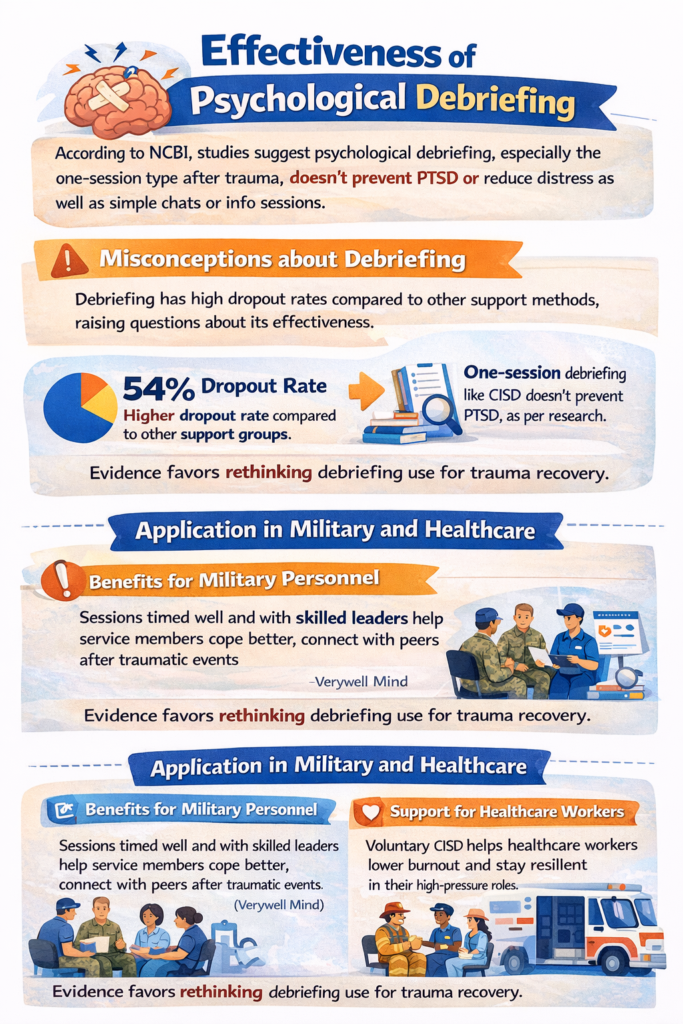
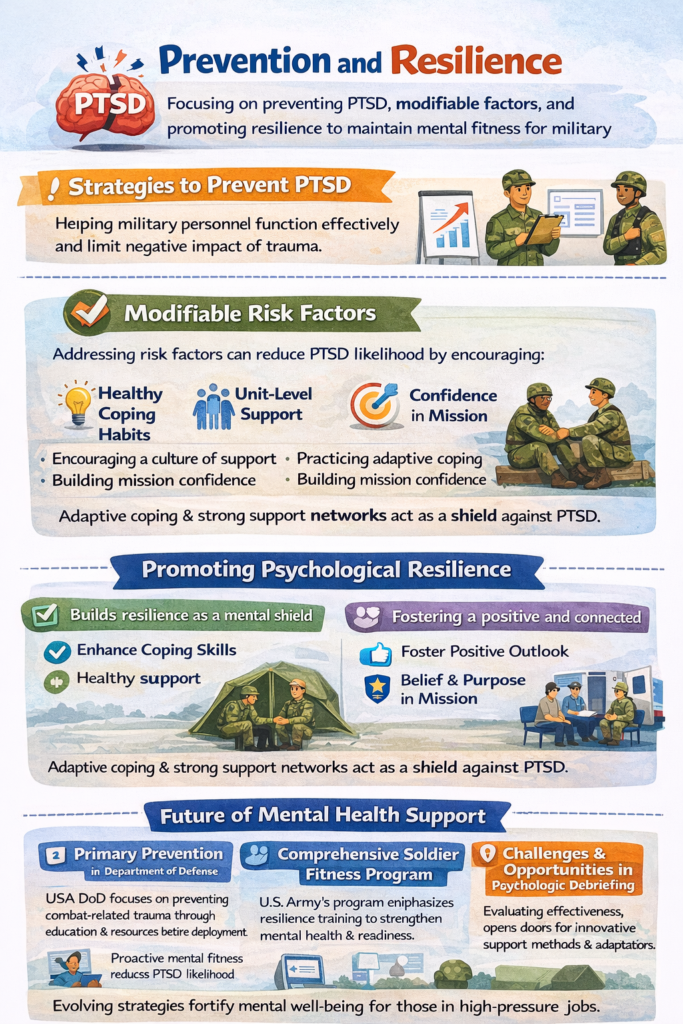
Prevention and Resilience
I believe if we’re going to keep our military folks in tip-top mental shape, we’ve got to zero in on preventing PTSD, tackling what’s changeable, and building that mental toughness.
Strategies to Prevent PTSD
Keeping PTSD at bay for our active-duty folks and vets is a biggie for making sure they’re healthy and mission-ready. That means cutting down on traumatic encounters, jumping on early signs of acute stress disorder, and setting up ways to handle any pesky symptoms. The idea’s to keep them functioning well and dodging any nasty side effects. We’ve got to be proactive, you know?
Modifiable Risk Factors
Our troops face a load of risk factors that can crank up the PTSD odds. Getting a grip on and tweaking these elements can really lessen trauma’s blow. It’s about leaning on healthy coping habits, pumping up unit support, and feeling confident about the mission. It’s kinda like holding an invisible shield against PTSD. Social support and knowing the mission’s purpose help keep the mental monsters at bay.
Promoting Psychological Resilience
Resilience is that secret sauce that helps our military types fend off trauma’s worst. It’s like a mental muscle—gotta work it to make it strong. Boosting coping skills, nurturing positivity, tight-knit support networks, belief in the cause, and top-notch training all help. When these elements are in the mix, folks are better at rolling with life’s punches and picking themselves up after a fall.
So, if we’re hitting prevention, fixing the fixable, and juicing up resilience, the military can really have our people’s backs in the mental well-being department and keep them primed and ready for whatever challenge lies ahead.
Future of Mental Health Support
Looking ahead, the future of mental health support, especially for folks in high-pressure jobs like the military and emergency services, has great potential for positive change. Here, I’m gonna chat about the Department of Defense’s primary prevention efforts, the Comprehensive Soldier Fitness Program, and what’s up with psychologic debriefing.
Primary Prevention in the Department of Defense
The Department of Defense (DoD) gets it – they’ve gotta focus on keeping service members mentally fit, especially when it comes to the tough stuff that comes with combat. They’re all about giving folks the skills to handle stress and be resilient before they even head out. The idea is that if they do this right, there’s a lesser chance of PTSD cropping up, and folks stay ready and strong for action. Trust me, when the DoD invests in teaching how to bounce back and offering trauma-handling resources, they’re making a long-lasting impact on mental health.
Comprehensive Soldier Fitness Program
This isn’t just a bunch of words – the Comprehensive Soldier Fitness Program from the U.S. Army is all about making service members mentally fit. It’s part of the DoD’s prevention approach. They’re prepping these folks to handle what’s coming their way during deployments. This program is committed to teaching resilience through an array of training and interventions, ensuring that the military crew can handle the mental curveballs they might face. In plain speak, they’re investing in healthy minds so folks can give their best.
Challenges and Opportunities in Psychologic Debriefing
Then there’s psychologic debriefing, like Critical Incident Stress Debriefing or CISD. This method has been used right after traumatic events to try to stop PTSD before it starts. But guess what? Newer research casts doubt on how effective it really is, and it might not even be as helpful as folks thought. Instead of clinging to what’s traditional, it’s time to consider other methods. Re-thinking and improving how these debriefs happen could spell better mental health support for military folks and those in high-pressure gigs.
As we move forward in mental health support, it’s key to see current limits and welcome fresh ideas. Being open to the latest in psychological help and making sure support is a good fit for each person can really make a difference. Keeping service members and first responders robust and sound is the goal, and with new insights, we can boost mental grit and healing for those in tough environments. So, here’s to creating stronger paths forward for mental health support.