Understanding Critical Incident Stress
Let’s chat about the world first responders live in—a place where critical incident stress isn’t just a concern; it’s a part of life that can seriously shake up the body and mind. Knowing the ins and outs of this stress can help us tackle it head-on and keep our heroes standing tall.
Definition of Critical Incident Stress
Critical incident stress is like a mental and emotional punch first responders get when dealing with harrowing scenes. Whether you’re a cop, firefighter, or paramedic, these brave souls face traumatic events that can leave scars deeper than the eye can see. Back in 2006, the Canada Border Services Agency – Pacific Region whipped up a fancy plan called the Critical Incident Stress Management (CISM) Mass Event Response Plan. Sounds official, right? It’s got all the deets on how stress rears its ugly head with physical, mental, emotional, and behavioral symptoms (BC Emergency Health Services).
Spotting these stress signs is like catching a thief in the act—it’s crucial for snuffing out problems before they boil over. Employers in high-pressure jobs better keep their eyes peeled so they can help out when their folks are feeling the weight.
Impact on First Responders
When it comes to handling life’s curveballs, first responders don’t get tossed softballs. Police, firefighters, ambulance crews, and search teams are the ones diving headfirst into chaos. They see all sorts of heartbreaking and gut-wrenching stuff, which takes a serious toll on their mental health. The stuff they witness—like death and serious injuries—isn’t something you just shrug off (OSHA – Critical Incident Stress Guide).
This type of stress doesn’t sit quietly in a corner; it barges in and messes with their work mojo during emergencies. Some folks are hardwired to bounce back, while others might struggle more and end up with even bigger issues, like PTSD (NIMH).
Helping these everyday heroes deal with critical incident stress is crucial. Knowing the weight it puts on them means we can put the right tools—like psychological debriefing and crafty critical incident response team training—in their toolkits to manage the stress and keep ticking. If organizations step up with solid support, they’re not just looking out for their teams’ sanity—they’re building resilience in these brave souls, so they stand strong, now and down the road.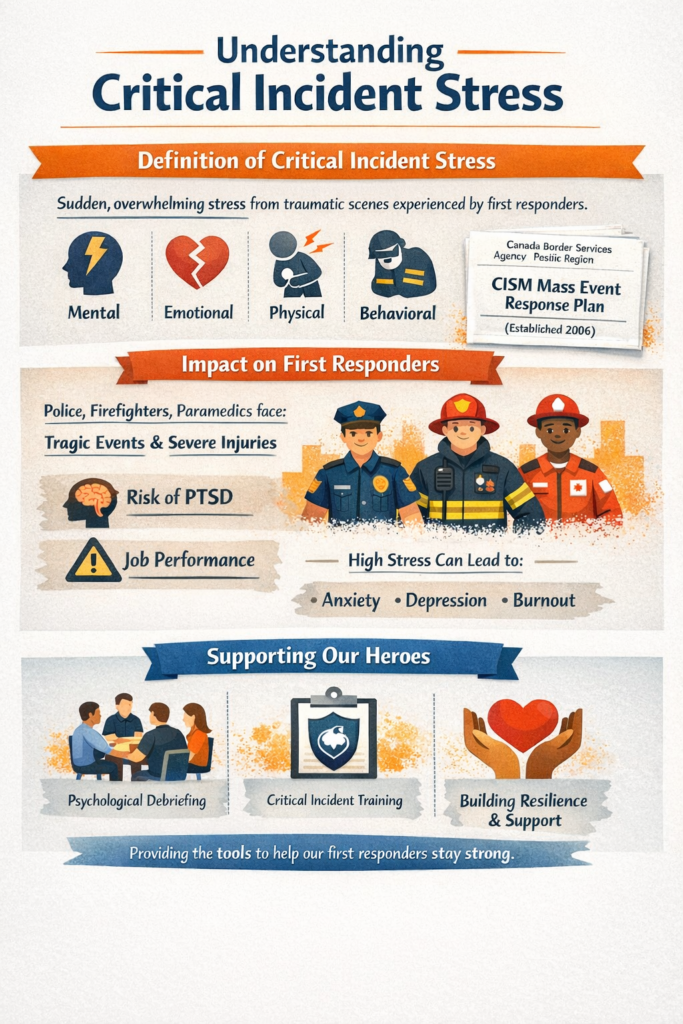
Signs and Symptoms of Critical Incident Stress
When life’s drama hits like a heavyweight boxer, stress can sneak in wearing different disguises. It can mess with your mind and body in ways you wouldn’t believe. Everyone reacts differently, and that’s what makes understanding stress so intriguing.
Physical Reactions
Stress has its way of mucking up your body’s normal vibe. Suddenly you notice:
- Your heart’s doing a marathon inside your chest.
- Your shoulders feel like you’ve been lifting weights all night.
- You’re tired even though you just woke up, and sleep’s playing hide and seek.
- Your stomach’s acting as if it’s auditioning for a horror movie.
Keeping track of these body signs is step numero uno in getting ahead of stress before it turns into a full-blown monster.
Cognitive Reactions
Ever felt like your brain’s taken a short vacation without leaving you a note? Post-incident, it could look like this:
- Concentrating feels like trying to solve a Rubik’s cube blindfolded.
- Memories of the bad moments pop up uninvited, like that one friend who never knocks.
- You forget things easily or get all mixed up.
- Your thoughts take a dark turn, and it feels like everything’s under a black cloud.
Spotting these mind tricks early means you can work on taming them with some brainy support.
Emotional Reactions
Feelings can be all over the place, turning up the volume on emotions like:
- Feeling like you’re on a rollercoaster of anxiety, fear, or panic.
- That heavy cloak of sadness or grief takes over.
- Anger flares up like a matchstick or maybe you feel nothing at all.
- Your mood flips like a light switch, making you feel like a character in a soap opera.
Feeling all this is part of the healing, and recognizing it helps in getting back to smiley days.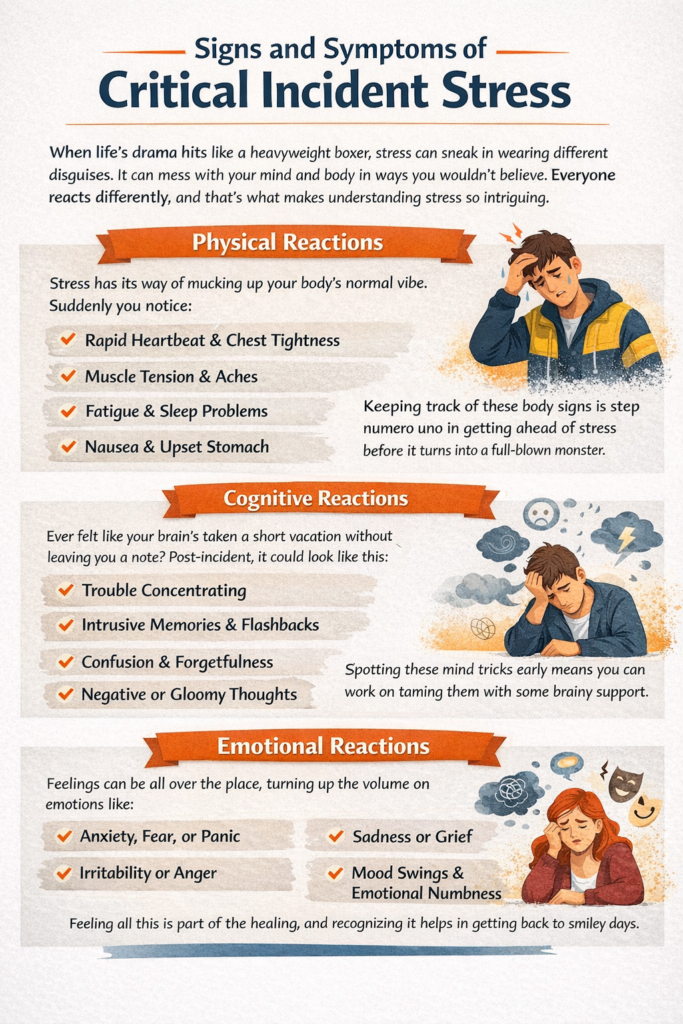
Behavioral Reactions
What you do says a lot about how you’re feeling inside. Post-event, you might see:
- Shutting yourself off from the world like a recluse.
- Dabbling in too much drink and risky stuff.
- Snap, crackle, and pop behavior or making impulsive choices.
- Eating and self-care routines go out the window, and hygiene becomes a vague memory.
Understanding these reactions lets you and your crew take steps to steer back to safer shores.
When we get what stress is up to — how it messes with our bodies, brains, hearts, and actions — we can put together a game plan. Having some strategies and professional assistance in place means we aren’t just surviving the storm; we’re ready to come out the other side stronger.
Coping Strategies for Critical Incident Stress
Dealing with critical incident stress ain’t a walk in the park. It’s got its challenges and hurdles. But fear not. There are ways to manage and lower its impact while keeping your mind and emotions on solid ground. So, let’s jump into some practical ways to make sure stress doesn’t run the show.
Psychological Support Strategies
First things first, when life throws a curveball, it’s wise to seek some psychological backup. Having a chat with a counselor or therapist can make a world of difference. You get a comfy corner to let it all out, learn ways to handle stuff, and sort through all the messy thoughts events like these tend to stir up. Methods like Trauma-focused cognitive-behavioral therapy and crisis intervention counseling techniques are golden for tackling the mental rollercoaster critical incidents bring. Teaming up with a mental health pro helps folks understand their reactions better, grab some handy coping tricks, and build resilience to kick stress in the pants.
Recreational and Work Activities
Finding joy in activities you love is a great stress-busting tool. Getting lost in a hobby or exercise not only serves as a great escape from those disturbing memories but also boosts your mood like nothing else. It’s about diving into stuff that brings you peace and normalcy despite the chaos. Companies that look out for their folks with resilience-building activities for emergency responders give their teams a chance to relax and nurture mental strength in high-pressure situations.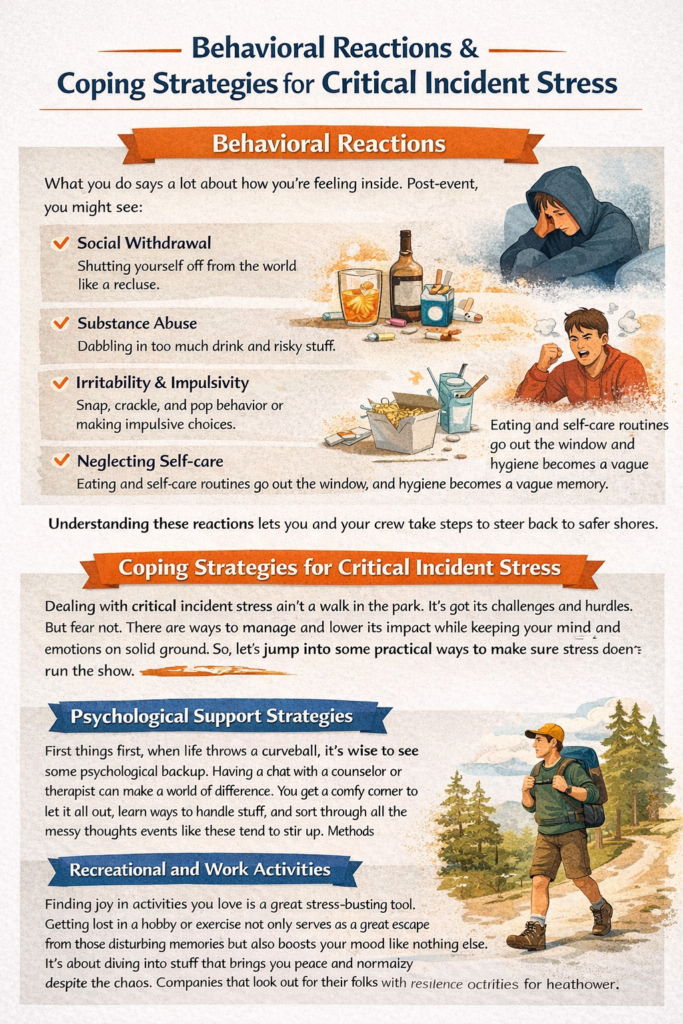
Seeking Professional Help
Spotting the signs of critical incident stress is the first nudge towards getting the help you need. If your solo efforts aren’t cutting it and things seem stuck or getting rougher, reaching out to a doctor or counselor is a smart move. You get a care package tailored to what you need with treatments that help you heal. Supportive workplaces that embrace trauma-informed care in crisis response are key to creating an environment where people feel backed up when critical incidents hit.
Mixing in psychological support, diving into enjoyable activities, and knowing when to tag in professionals can seriously sharpen your skills to tackle critical incident stress effectively. These methods don’t just help you bounce back and toughen up; they’re building blocks for lasting mental well-being even when the going gets tough.
Implementing Critical Incident Stress Management
Using fancy terms like “critical incident stress management” sounds all serious and official, but it’s really about helping people deal with really tough times. Let’s break it down.
Why We Need CISM
When life throws some heavy-duty stress our way, like in emergencies or disasters, Critical Incident Stress Management (CISM) is the game-changer. It’s all about teaching, prevention, and easing those intense stress levels when chaos strikes. This approach gets its mojo from folks known as crisis intervention specialists who step in to help folks keep it together when they face the aftermath of traumatic events (here’s a little more from OSHA).
Crisis Intervention Specialists: The Calming Crew
These specialists are like unsung heroes swooping in during a drama storm. They’ve got the skills and know-how to lend a helping hand pronto to those going through trauma. Think of them as the one’s offering emotional first-aid kits. They help people handle all those messy feelings and issues that pop up after something big happens. They’re key to helping people bounce back and find their footing again.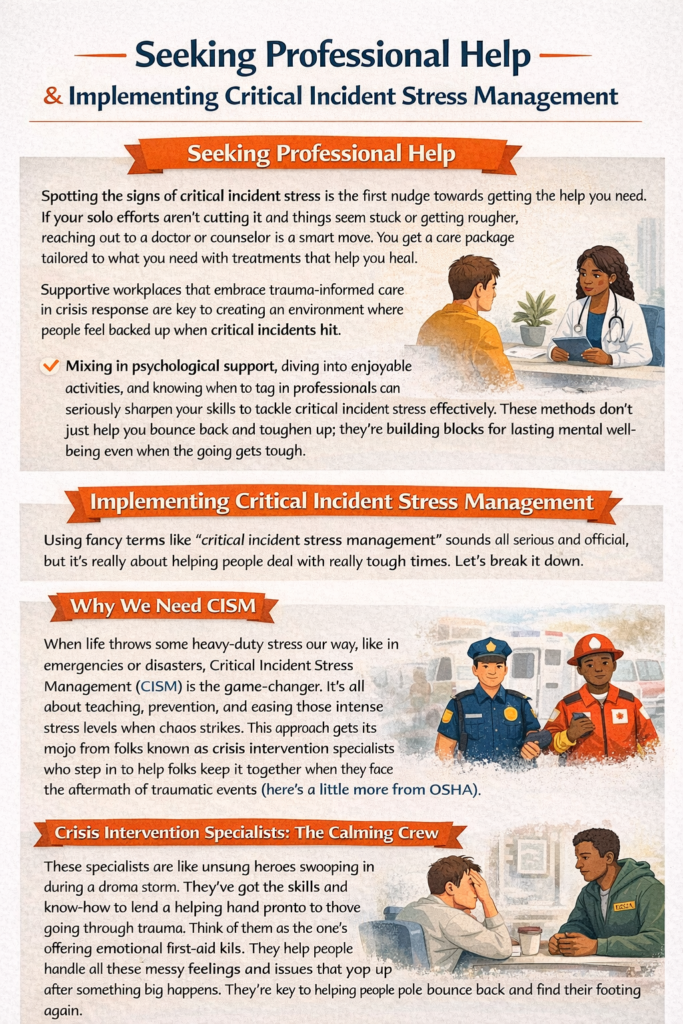
Breaking Down Critical Incident Stress Debriefing (CISD)
Now, imagine everyone who went through the chaotic event coming together for a group chat right after things calm down a bit. That’s what Critical Incident Stress Debriefing (CISD) is. It’s a structured way of helping folks deal with stress post-trauma. There are seven steps: Introduction, Fact-sharing, Thoughts, Reactions, Symptoms, Teaching, and Re-entry. Sounds like a mouthful, but it’s really about letting everyone talk, share, and get hooked up with more support if needed. It’s like a team huddle for emotional recovery (some light reading on it from OSHA).
By getting to know how CISM, crisis intervention specialists, and CISD work, we can better help organizations and folks handle stress from tough situations. Putting these strategies into play in everyday work and mental health settings means we’re creating a vibe of resilience and togetherness to bravely face whatever life throws our way.
Addressing Critical Incident Stress in Healthcare
So, you’re in healthcare, huh? Let’s talk about the not-so-glamorous psychological rollercoaster that keeps you up at night. Dealing with everyday chaos and those extra stressful moments can really do a number on our minds and hearts. Keeping it together is crucial—not just for you but for the folks counting on you. Here, I’m diving into peer support programs, unique hurdles you face, and the self-care moves you need to keep your head above water.
Peer Support Programs
You know, chat groups aren’t just for gossip. They’re also about finding our tribe where stories get shared, burdens feel lighter, and no one looks at you sideways if you admit work’s spilling into your weekend daydreams. Lately, it’s apparent that healthcare settings need these groups more than ever. Take COVID-19, for example—it didn’t just ruin brunch plans, it highlighted the need for solid support circles, especially for heroes like those in Organ Procurement Organizations (OPOs).
Thanks to these programs, hospitals are not just about needles and charts anymore; they’re building spaces where you can unload the weight of those crazy long shifts. Feeling understood? It’s like hitting the jackpot of sanity, trust me.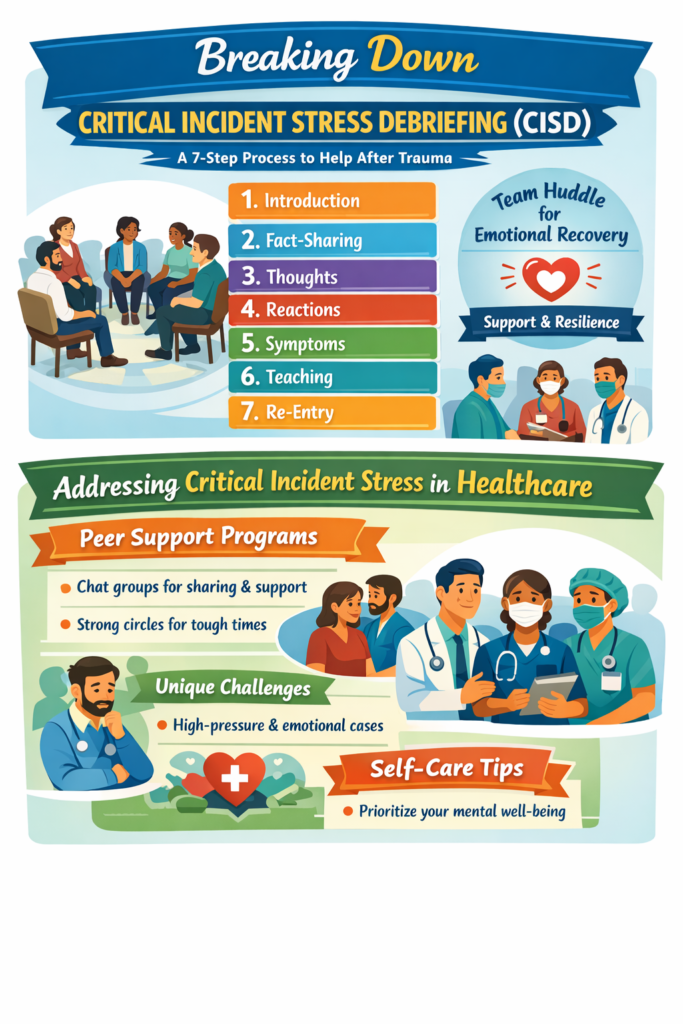
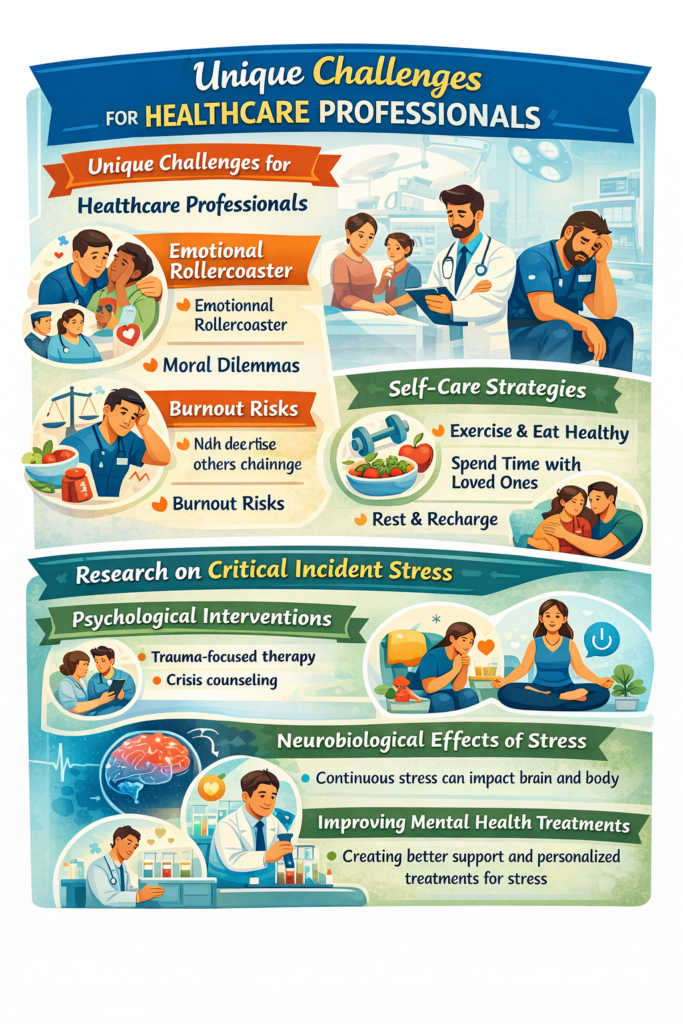
Unique Challenges for Healthcare Professionals
Let’s not sugarcoat it—you folks in OPOs face some pretty unique hurdles. From the high-tension grapple with grief to convincing some families to take a chance on the gift of life. One minute, you’re comforting someone who’s lost it all, and the next, you’re handing out hope like it’s going out of style.
Healthcare life means juggling moral dilemmas, dodging the burnout monster, and staying cool when things heat up. Without a game plan, that stress turns into compassion fatigue. Yeah, letting that beast run wild only leads to one thing: burnout city—and no one’s booking a return ticket there, right?
Self-Care Strategies
In the whirlwind of healthcare, let’s not skip the part where you give yourself some love. You can’t run on empty, just like a car can’t run without gas. Prioritize the basics: get moving, eat something green, and remember how good it feels to chill. Call up those emotional needs with a heart-to-heart with people you love, or dive into activities that whisper ‘relax’ to your brain.
Behind every sharp, sane healthcare pro is a solid circle and a good handle on stress-cop strategies. When you’ve got those self-care habits sorted, you’re not just surviving—you’re thriving. That’s how you keep bringing your A-game to the patients who need you.
Research on Critical Incident Stress
Checking out critical incident stress brings us to a mix of research, covering things like how we handle psychological stress, what stress does to our brains, and the new ways we’re finding to help folks manage their mental health better.
Psychological Interventions
Psychological help is super important when it comes to dealing with critical incident stress. From trauma-focused cognitive-behavior therapy to crisis counseling, there are a bunch of ways we can support first responders and healthcare workers that are feeling stressed to the max.
Studies show that some psychosocial interventions, like cognitive-behavioral stress management, really help boost life quality for those dealing with ongoing stress. They focus on reducing stress levels, boosting social support, and lightening bad moods, all to keep mental health issues from spinning out of control and to support well-being.
Neurobiological Effects of Stress
When it comes to how critical incident stress messes with your brain and body, the effects can be huge and can stick around for a while. Continuous stress can mess with your mind and body, leading to stuff like anxiety, mood swings, and changes in the brain, as some research points out (PMC).
Being stressed all the time ramps up your sympathetic nervous system, leading to things like high blood pressure and heart issues. It can also throw your immune system off balance, messing with cytokines and weakening how your body defends itself.
Improving Mental Health Treatments
To make mental health treatments better for those stressed by critical incidents, researchers are working on finding better support and intervention strategies. This includes focus on building resilience, offering trauma-informed care, and creating personalized treatments so healthcare pros can better meet each person’s unique needs.
Besides typical psychological interventions, there are advances in stress management and post-traumatic stress recovery approaches. These methods aim to not just treat the symptoms but also the deeper brain and body changes caused by really stressful situations, helping to support healing and bounce back.
As we learn more about managing stress from critical incidents, it’s important to use new research insights in practice, making sure those hit hard by traumatic events get all the care and support they need to handle the tough stuff that comes their way.