Exposure therapy is like a brave heart in the world of mental health treatment, tackling fears and anxieties head-on. It’s a step-by-step process where you face the things that freak you out, but it’s all done in a way that’s calm and collected, giving you the power to chill out those panic vibes.
When it comes to exposure therapy, playing nice matters, especially with kids. It’s got to do with involving families, making sure everyone knows what’s happening and why, and keeping the folks who are getting help comfortable and safe.
Now, imagine a scene where you’re slowly introduced to your anxiety or fear trigger, like a controlled setting that feels as safe as a hug. By hanging out with these triggers without running away, there’s a chance to tame those wild thoughts and feelings over time. It’s about stopping the avoidance cycle and building up your badass confidence to deal with whatever life throws your way.
Effectiveness of Exposure Therapy
Ask around, and you’ll hear folks singing the praises of exposure therapy. It’s a rockstar in dealing with specific phobias, and nine out of ten people find it works wonders if they give it their all (Cleveland Clinic). Sometimes, it’s all you need to see those pesky phobias hit the road.
But there’s more to the story. When it comes to more complicated stuff like PTSD and OCD, exposure therapy joins forces with other therapies to nail a thorough recovery plan (Cleveland Clinic). For kids battling with anxiety and OCD, this therapy often spells a major drop in those anxious feelings.
Even though there’s a bit of worry that exposure therapy might unsettle folks, science backs it up as not just effective but also a safe bet when done right. It all comes down to having the right know-how, a solid game plan, and making sure the people in need always have a safety net while they bravely face their fears.
Application of Exposure Therapy
Have you ever felt like you’re stuck in an endless loop of panic, fear, or memories you’d rather forget? Exposure therapy might be just the ticket to break that cycle. It’s a heavy hitter in mental health care, especially for folks wrestling with panic attacks, crippling fears, or the haunting aftershocks of trauma.
Treatment for Panic Disorder
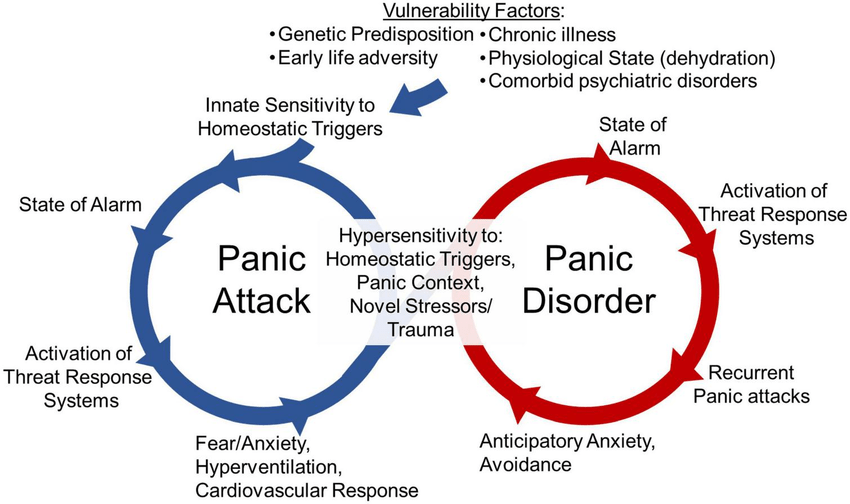
Picture this: you’re minding your own business, and bam! Out of nowhere, you’re hit with a panic attack. Your heart’s racing, your mind’s in overdrive. For many, this is a way of life, and it’s plain exhausting. But here’s a silver lining, backed by the American Academy of Family Physicians—pairing antidepressants with cognitive-behavioral therapy (CBT) that includes a splash of exposure therapy can be a game-changer.
When panic disorder’s got you by the collar, finding a pro who’s savvy with exposure techniques can make a world of difference. It’s like having a training buddy who’s there while you safely face down the stuff that sends your anxiety through the roof. Over time, you get tougher, panic gets weaker, and you reclaim your peace of mind.
Managing Phobias and PTSD
Exposure therapy isn’t just a one-trick pony. If you’re tackling phobias or PTSD, this method could be your new best friend (Cleveland Clinic). When folks hunker down and stick with it, over 90% see those irrational fears take a nosedive. For many, it’s not just a part of their treatment—it is the treatment.
The magic here lies in facing what freaks you out, but in baby steps. You’re not just thrown into the deep end. It’s about slowly coaxing yourself to engage with the stuff that makes your heart pound. Eventually, those things lose their grip on you. With each session, you grow more confident and less anxious.
How long it all takes? Well, that’s like asking how long a piece of string is. Some folks find their groove pretty quickly; others need a longer runway. It’s all about what feels right for you. The beauty of exposure therapy is that it’s tailored to fit your pace, aligning with how you progress and grow stronger.
By folding exposure therapy into the mix for tackling panic disorder, phobias, and PTSD, you’re gearing up for a journey—one that helps you manage symptoms, face fears head-on, and ultimately feel more like yourself.
Mechanisms of Exposure Therapy
When tackling panic disorders, getting a grip on how exposure therapy really works is key for figuring out its long-haul benefits. Two big ideas behind this type of therapy are letting go of fear and learning to override it when it tries to muscle its way back in.
Fear Extinction
Think of fear extinction in exposure therapy as the art of making scary stuff less scary. Instead of wiping out the original fear connection, what happens is that new, less scary ideas about the triggers get added to the mix. It’s like showing the brain that the spooky stuff isn’t truly that threatening anymore, so it’s okay to chill out a bit.
Inhibitory Learning Model
This one’s a heavy hitter. When it’s about anxiety, it’s not so much about erasing fear as it is about teaching new lessons that calm the fear down. If you find yourself not shaking off exposure therapy as well as you’d like, this means things didn’t quite click. The key is to make new memories that teach the fear to take a backseat. The trick is making fear louder and less frequent with some cool strategies like:
Busting expectations
Stacking up exposure
Sometimes reminding yourself of those fears
Ditching safety crutches
Shaking things up
Memory joggers
New settings
Putting emotions into words
Nailing these pointers can seriously amp up how exposure therapy works for you, pulling the plug on when fear tries to sneak back. There’s something in our noggins called brain-derived neurotrophic factor (BDNF) that helps shape up how we tackle fears. Having more of this guy around when you’re starting out can mean your therapy might work wonders.
Therapists worry about exposure therapy kicking up dust, but put your mind at ease; research gives this method a big thumbs-up. It’s safe, people handle it just fine, and it works wonders against panic disorders when used the right way. Get these mechanisms down, and you’re halfway to making panic a thing of the past.
Optimizing Exposure Therapy
Reflecting on my own path through exposure therapy and the benefits it brings for panic disorders, I’ve gained a deep appreciation for the tactics that strengthen my learning and guide me towards healing. These strategies have been game-changers in my progress and happiness.
Strategies That Boost Learning
A big part of exposure therapy’s success is the idea of inhibitory learning. This concept suggests that the process doesn’t erase fear, but adds new layers of understanding about what scares us, showing it isn’t so threatening after all (source). Here’s how we can power up this kind of learning:
Shatter Expectations: By throwing unexpected situations into the mix, we can challenge what folks think might happen.
Deep Dive into Exposure: Revisiting scary scenarios when it’s safe helps to weaken those fears.
Reinforce the Calm: Sometimes reinforcing that nothing bad happens can seriously boost new learning.
Ditch the Safety Tools: Zapping those crutches people lean on can create fresh links.
Mix It Up: Shaking up the exposure situations encourages fear fading across the board.
Memory Boosters: Using reminders to call up memories of past wins can reinforce what’s learned.
Change of Scenery: Trying exposures in new spots helps cement what’s been learned.
Name the Feelings: Pushing people to pin down what they’re feeling can speed up dealing with emotions.
Getting these strategies in play during therapy sessions can really ramp up treatment success and dodge hurdles like fear bouncing back (source).
The Power of Switching Things Up
Adding a twist to exposure techniques is a big win in getting the most out of therapy for anxiety. Changes in fear levels during exposure open up amazing chances for growth. By putting these ideas into action, therapists can tweak therapy to support lasting change:
Memory Prompts: Using cues to drum up past exposure memories strengthens fear extinction.
Varied Settings: Turning exposure sessions into adventures in different places boosts reduction in fear.
Feel Talk: Getting folks to talk about how they feel helps them manage and express emotions better.
Varying exposure methods brings a fresh approach to tackling anxiety head-on, enabling individuals like me to face fear headfirst, no matter where or what state I’m in (source). Plus, using memory cues, fresh locations, and feeling checks makes learning stick and helps keep anxiety at bay.
These optimized tactics in exposure therapy have reshaped my journey, forging a path towards enduring recovery and strength despite panic challenges. Through every wave of anxiety, I’m reminded of the incredible force therapy holds to help folks break free from fear, reclaiming a life full of peace and promise.
Cognitive Behavioral Therapy (CBT) for Panic Disorders
Stepping into the world of managing panic disorders, I’ve found Cognitive Behavioral Therapy (CBT) to be a game-changer. It’s not just me saying this—research backs it up plenty, showing it’s a top-notch treatment method for tackling these disorders.
Efficacy of CBT
Research and studies have painted a clear picture: CBT in its different flavors—whether it’s cognitive therapy, behavior therapy, or the combo pack—does the job better than just having someone to talk to. Around 73% of folks treated see their panic taking a hike within 3 to 4 months, with close to half still hanging in there panic-free even two years later (American Academy of Family Physicians).
And get this, CBT doesn’t just fizzle out. It’s like having a buddy that sticks around for the long haul, with studies showing it still working its magic from six months to nine years down the line. So, for anyone wrestling with panic disorders, CBT is like the reliable friend you want on your team.
Components of CBT
Now, when it comes to the tools inside the CBT toolbox, exposure techniques are where the real magic happens. This part’s about facing those monsters under the bed—imaginary or real—and telling them who’s boss. Especially if agoraphobia’s tagging along, these confrontations can be real game-changers (American Academy of Family Physicians).
If you’re thinking about hopping on the exposure therapy train, it’s wise to find someone who knows the ropes. Also, mixing in some antidepressants can help, at least for a bit. However, over time, sticking with just CBT or CBT plus a placebo seems to overtake the combo with antidepressants.
There was a bit of hesitation at first about exposure therapy—like, what if it does more harm? But as it turns out, it’s not just effective, it’s safe, as long as it’s done right. It’s about finding what fits for the unique ride each person is on through panic disorders: the tailor-made kind of therapy that meets someone right where they are.
Enhancers for Exposure Therapy
When it comes to exposure therapy, there are a couple of super helpers that might just up the whole game, mainly for handling panic disorders. Let’s talk about the two game-changers here: D-Cycloserine and the fancy-sounding Brain-Derived Neurotrophic Factor, or just BDNF for us regular folks.
D-Cycloserine and Fear Extinction
D-Cycloserine (DCS) is like the trusty sidekick in therapy episodes, really getting to the heart of shutting down fear. By cozying up to the brain’s NMDA receptors, DCS gives a little nudge in learning to face fears and not break a sweat over them. Its real magic happens in brain spots like the amygdala and prefrontal cortex—that’s where the fear extinction action takes place, helping us say “so long” to panic (PMC).
The secret sauce here? Tossing some DCS in just before or after therapy sessions has proven to be pretty golden, helping folks better update their fear memories. We’ve seen solid wins across different anxiety hurdles—it’s done a number on panic disorder, social anxiety, and even PTSD vibes.
Brain-Derived Neurotrophic Factor (BDNF) Benefits
BDNF is another star player for tackling those nerves. It’s got a hand in fear learning and wiping the slate clean from fear. Higher BDNF levels might mean you’re in for a smoother ride with therapy. Especially if you’re dealing with panic disorders, having BDNF at peak levels can be a game-changer (PMC).
While the BDNF perks sound fab, more of those science-y folks need to roll up their sleeves and dive into some robust checks and balances. They need to wrap their heads around how exactly BDNF juices up therapy success and speeds things along for those facing panic.
Tapping into enhancers like D-Cycloserine and BDNF can make exposure therapy the rockstar treatment it’s meant to be, giving people another shot at living life without fear messing with their zen.