
 Understanding Panic Attacks
 Understanding Panic Attacks
Let’s chat about panic attacks, those sneaky episodes that make your heart race like it’s running a marathon, even when you’re just sitting in your living room. These come out of nowhere, triggering intense fear. Y’know, the kind of fear that convinces your mind there’s a grizzly bear in the room when you’re only facing an empty coffee cup.
- Understanding Panic Attacks
- Impact of Panic Attacks
- Triggers of Panic Attacks
- Stress as a Trigger
- Health Conditions Influence
- Medication and Substance Abuse
- Mindfulness Techniques for Panic Management
- Deep Breathing and Relaxation
- Grounding Techniques
- Mantra Meditation
- Benefits of Mindfulness for Panic Episodes
- Emotional Regulation
- Improved Concentration
- Stress Reduction
- Practical Applications of Mindfulness
- Mindfulness in Daily Life
- Mindfulness Meditation Practices
- Preventing and Managing Panic Attacks
- Mindfulness-Based Cognitive Therapy
- Identifying and Addressing Triggers
- Long-Term Strategies for Anxiety Reduction
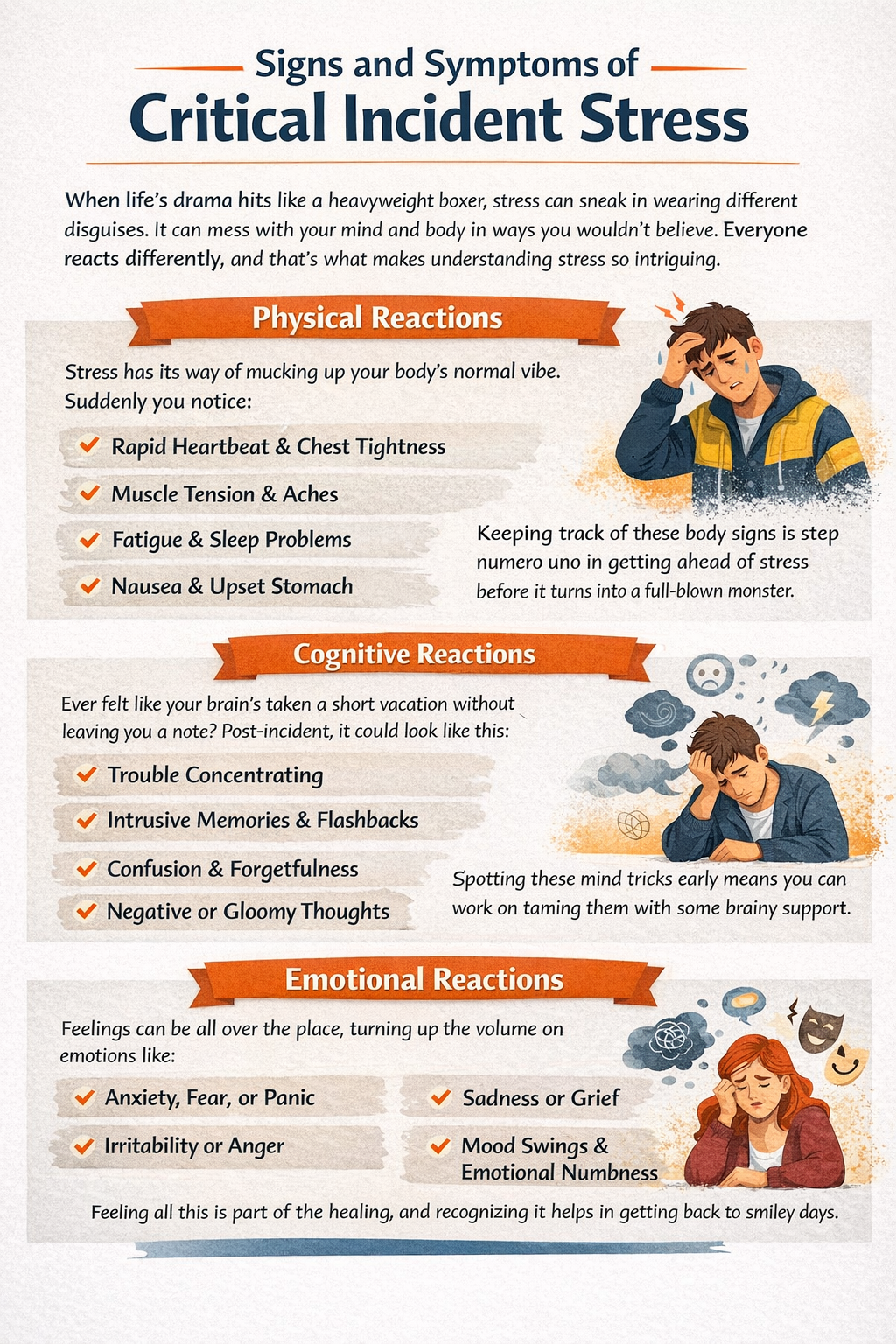
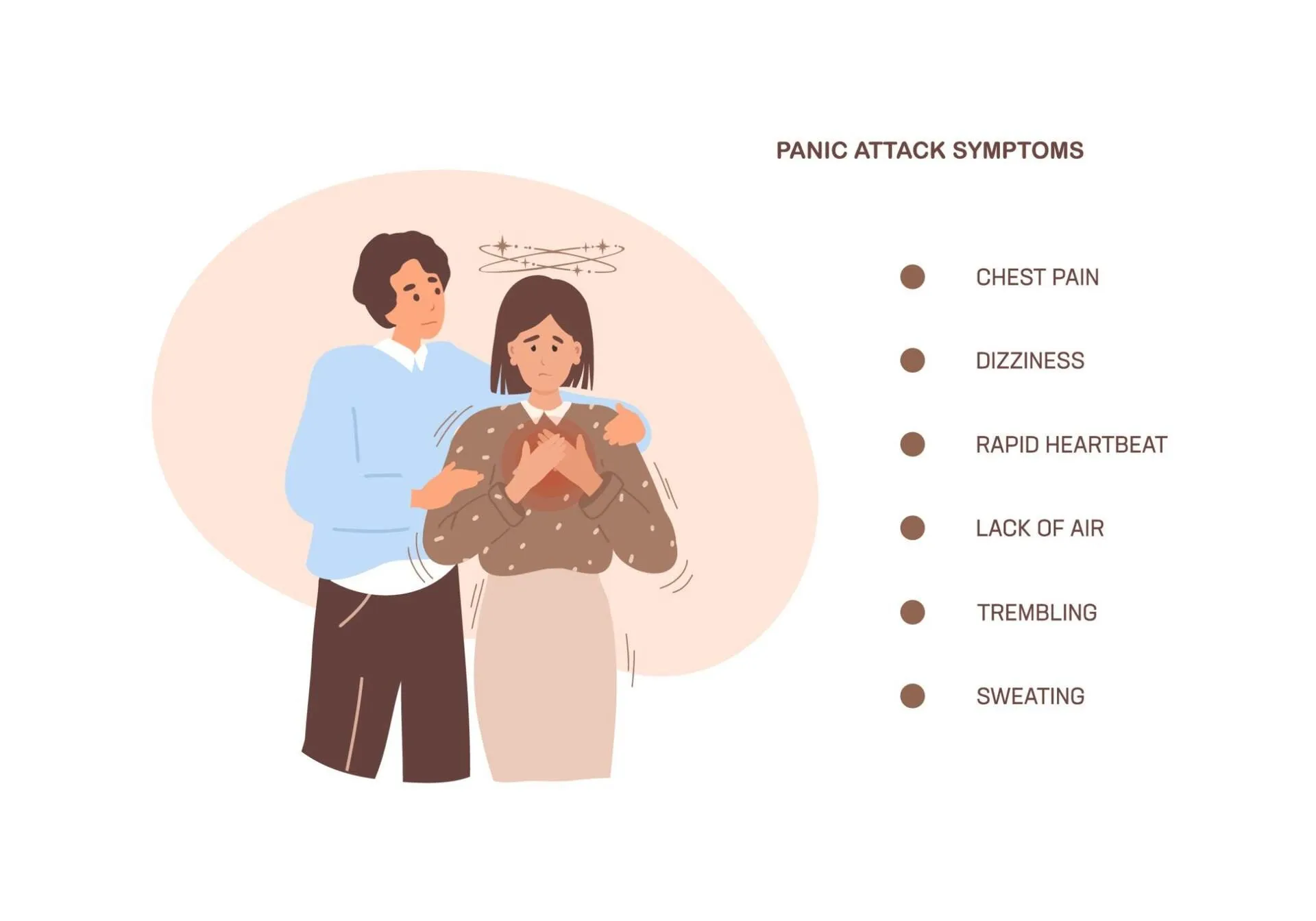
Here’s what you might notice during an attack:
- Shaky hands or knees
- Heart pounding like a drum solo
- Sweaty palms or soaking wet shirt
- Gasping for air like you’ve run uphill
- Feeling like you’re choking on nothing
- Pain in your chest that makes you swear you’re having a heart attack
- An upset tummy doing gymnastics
- A spinning head, like you just got off a dizzy ride
- Icy chills creeping down your spine
- Hands or feet going numb or tingly
- A creeping fear you’re losing it, going nuts, or even worse
Yep, they can leave your body and mind in a tangled mess, making daily life feel like you’re in a constant test of nerves. Trust me, if you’re feeling this way, it’s time to chat with someone who gets it.
Impact of Panic Attacks
Panic attacks do more than just leave your body feeling wiped. They set up camp in your mind, affecting your emotional game—a bit like inviting unwanted guests who overstay their welcome. When these attacks keep popping up, and you’re stuck worrying yourself sick about the next one, that might point to something called panic disorder, a term my folks at the Mayo Clinic are familiar with.
Here’s what all that worry can lead to:
- Never-ending jitters
- Dodging places or things you usually enjoy
- Hiding away from friends
- Feeling like you’re constantly climbing a hill in life
- Emotional chaos that feels like a never-ending soap opera
- Brain fog that makes focusing harder than herding cats
- Disruptions in daily plans like a never-ending stoplight
Grasping what panic attacks can do to your mind and day-to-day life is like holding the flashlight in a spooky basement. By understanding the chaos they can cause, you can start seeing the path to getting a handle on them and regaining the reins of your life. Remember, facing it head-on could be the ticket to smoother sailing.
Triggers of Panic Attacks
Let’s chat about what gets those panic attacks going. A lotta things like stress, health issues you already have, medications, and, yup, even partying too hard can start ’em off. Knowing what lights the fuse can help you stay chill during these episodes.
Stress as a Trigger
Ah, stress, the old friend we all love to hate. It’s like that never-ending TV series that always manages to find a way to increase your anxiety levels. When you’re stressed out of your mind, your body sometimes decides to throw a panic attack into the mix (Banyan Treatment Center). Doing things like taking deep breaths, chilling out, and being in the present can actually keep stress at bay, which in turn lowers the panic button a notch.
Health Conditions Influence
If you’ve got some health stuff going on – be it physical or mental – you might notice panic attacks dropping by more often. Things like hormone mix-ups or a tendency your fam has handed down might do it (Banyan Treatment Center). So stick close to your healthcare peeps to handle your health issues, which lessens the chances for the panic party to start.
Medication and Substance Abuse
Sometimes, meds and the stuff you like to consume might kick off a panic attack. That lovely cup of coffee or a night out could turn into something not so fun. So, get clued up about side effects and how they might mess with your head (Banyan Treatment Center). Talk with someone who knows their stuff if you’re worried about this, and ditch unhealthy habits where you can.
Getting smart on how stress, health ups and downs, medications, and your 5pm drink can make panic attacks happen is just step one in keeping ’em under control. Face these triggers head-on, mix in a bit of ‘me time’ with your routine, and you might just build a game plan to keep those panic attacks from wrecking your mood. For more tips and tricks on holding your ground against panic attacks, check out topics like can stress cause panic attacks and how medications can trigger panic attacks.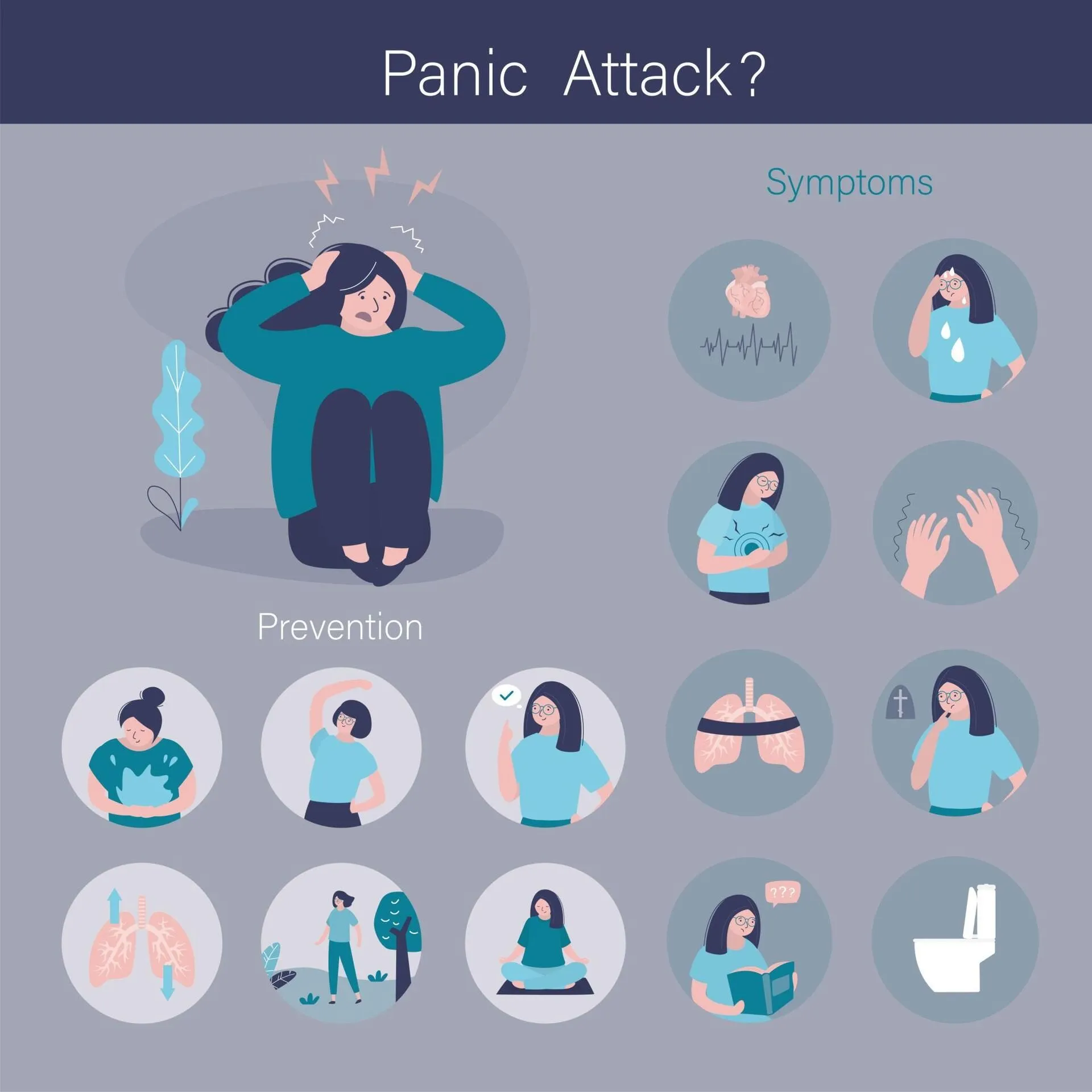
Mindfulness Techniques for Panic Management
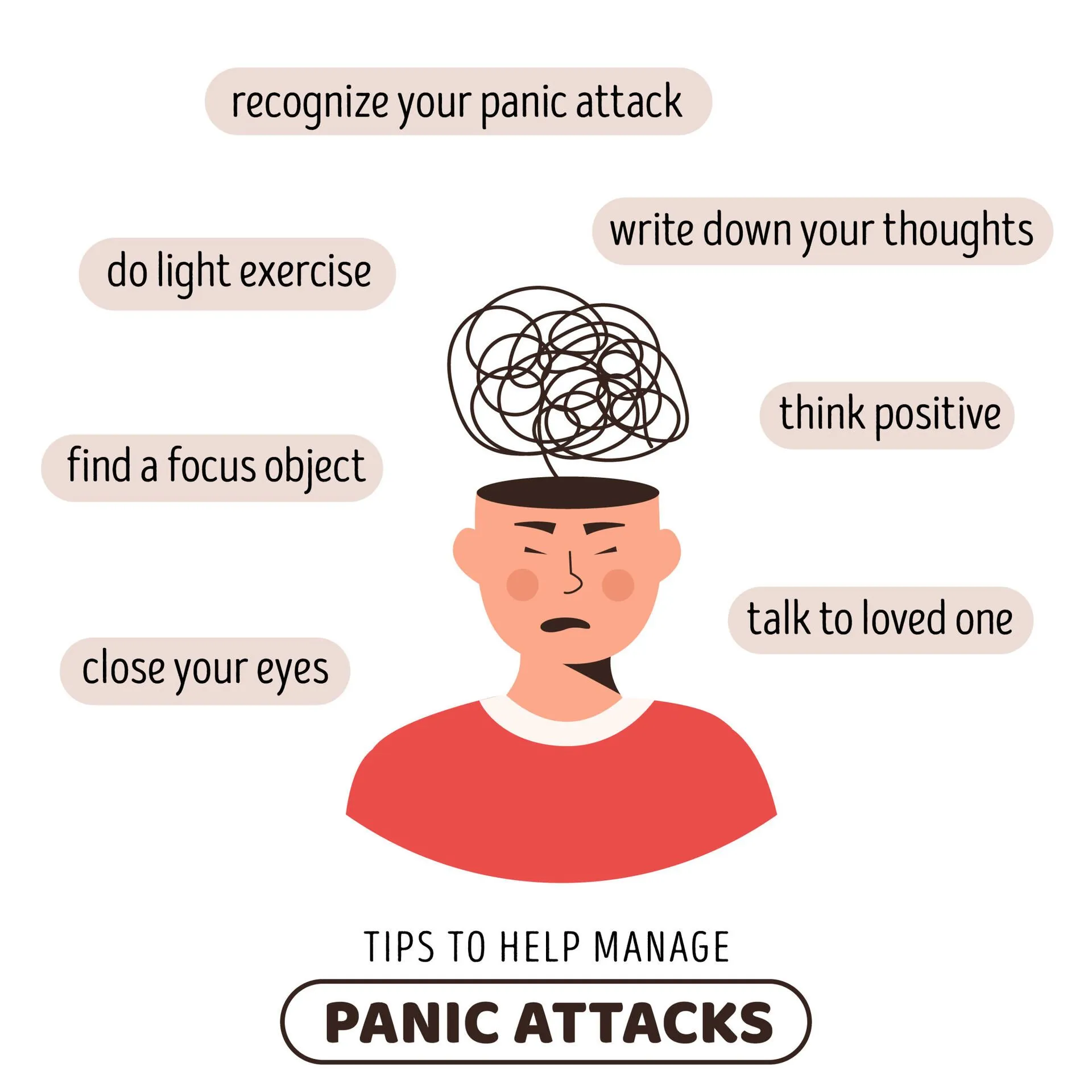
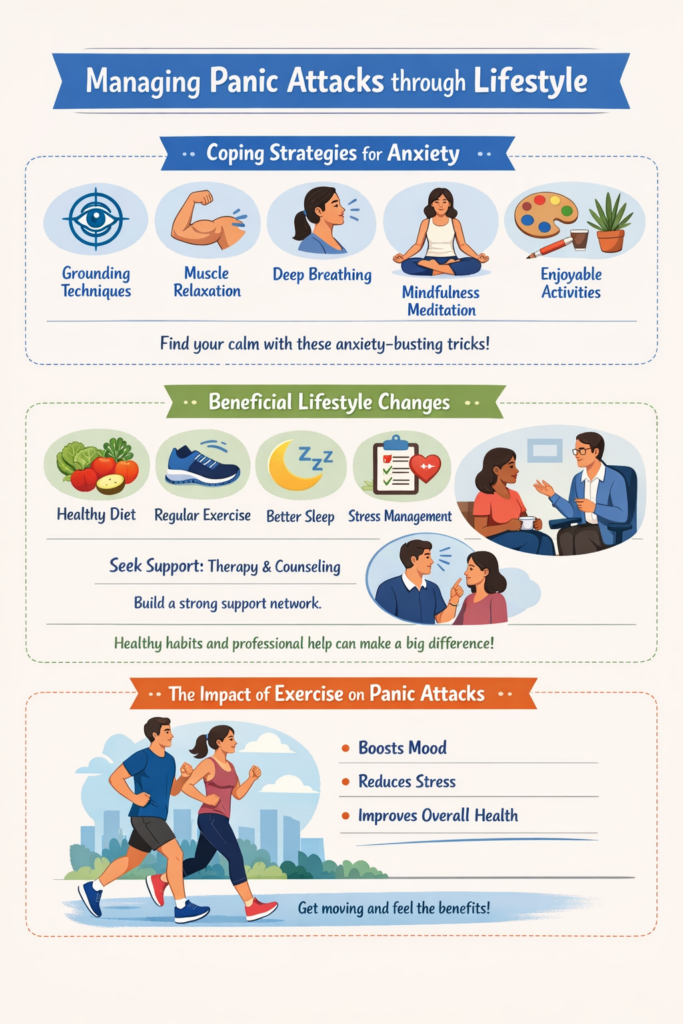
Facing a wave of panic feels like standing in front of a surprise exam—unexpected, overwhelming, and a bit terrifying. But hey, I’ve discovered some tricks to help keep those feelings in check. We’re talking stuff like breathing deeply, finding your anchor, and repeating calming words. These mindfulness methods are like your trusty sidekicks when panic seems to crash over you.
Deep Breathing and Relaxation
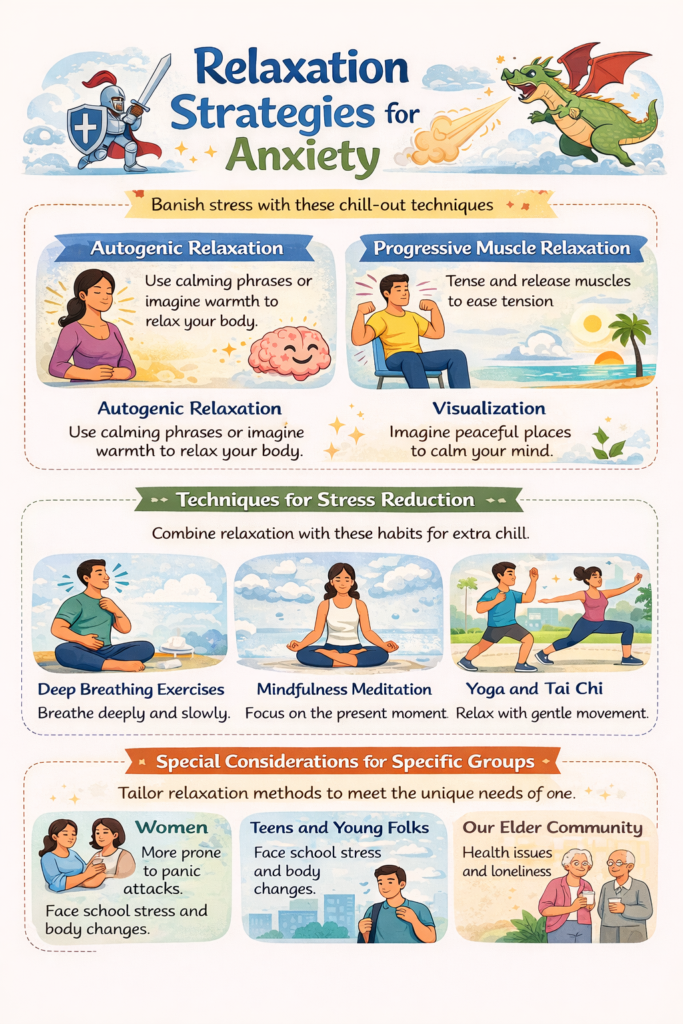
There’s something magical about taking a good, deep breath. Like those times when you step outside, smell the fresh air, and feel a little better. When that tight-chested panic starts creeping in, focusing on slow, deliberate breaths can make a world of difference. It’s all about hitting pause to let your body know it doesn’t need to sound the alarm. Get into the habit of practicing deep breathing, maybe while waiting for your coffee to brew or during the odd boring meeting. It preps you to handle stress when it hits unexpectedly, helping you not only survive but thrive past those anxious moments. Give it a try—you might find yourself feeling a bit more collected.
Grounding Techniques
Grounding, like having your favorite comfort food, pulls you back to the here and now when panic is hammering at your door. Instead of getting sucked into the whirlwind of anxious thoughts, try focusing on what’s actually around you. Think about the last time you had an intense craving for ice cream—remember the texture, the coolness? Doing something similar can snap you back to your senses. Just count off things you see, hear, or can reach out and touch, like a mental scavenger hunt. Regularly playing this game helps you get better at pulling yourself out from the chaos.
Mantra Meditation
Repeating a calming word or phrase can be soothing, like a lullaby for the frazzled soul. When panic bumps up the noise in your brain, a simple mantra can help you turn the volume down. It’s not about complex rituals or chanting in foreign tongues; it’s about finding that personal bit of calm to hang onto amidst the storm. Mantras keep you present and focused, like reading your favorite book during a power outage. Practicing this routinely helps train your mind to focus—a huge help when the going gets tough.
Using these tricks—deep breaths, grounding games, and mantras—you build a toolkit that beats panic down and keeps it from running your life. It’s like muscle memory for your emotions, ready to step in when the pressure’s on. Not only do they provide a breather during those panic-heavy times, but they also pave the road to calmer, happier days.
Benefits of Mindfulness for Panic Episodes
Managing panic episodes can feel like trying to calm a wild storm. But adding some mindfulness practices into the mix can work wonders, soothing emotional chaos and cutting stress down to size. When those waves of panic hit, these techniques can help you find your footing through better emotional steadiness, sharper focus, and a calming of nerves.
Emotional Regulation
Mindfulness is like having a magic remote that can help you manage emotions during a panic. By keeping you in the present and embracing what’s happening without judgment, it lets you take a step back and see your thoughts and feelings for what they are. This awareness helps you face those panic triggers with more courage and clarity. There’s some real smarty-pants science from NCBI backing this up, showing that mindfulness can help reduce stress, depression, and anxiety. So, it’s a solid ally in keeping your emotional cool when things get tough.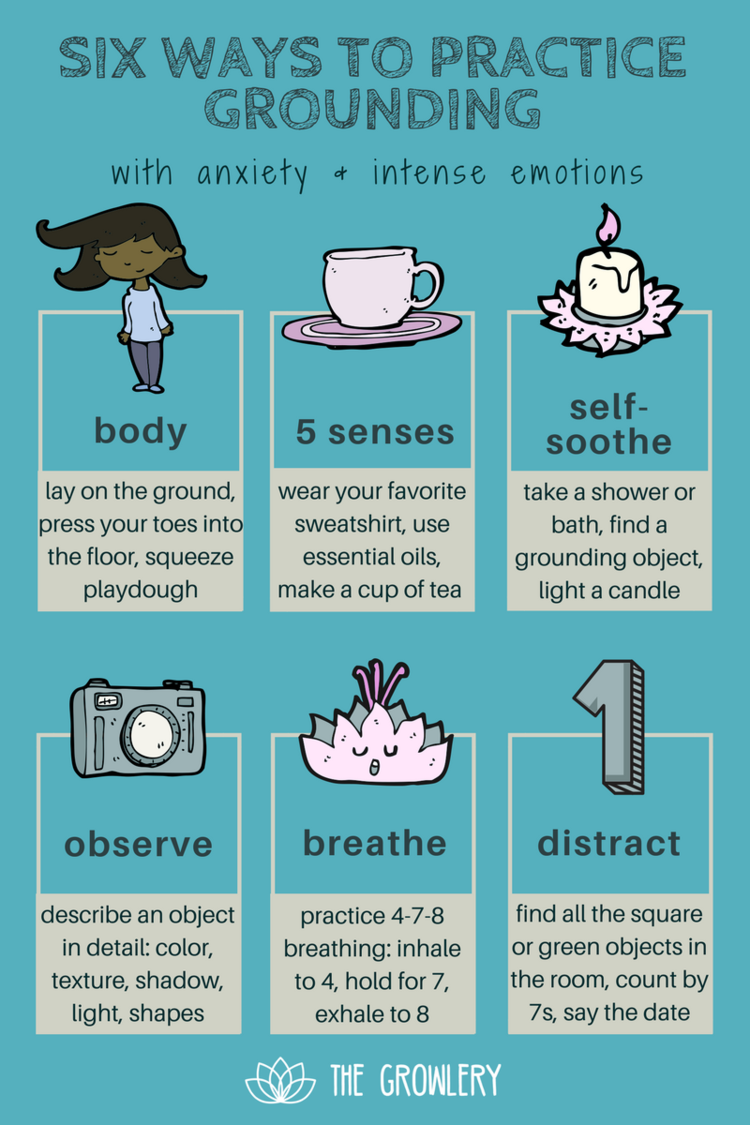
Improved Concentration
Let’s face it, trying to focus is hard enough without panic crashing the party. Mindfulness comes to the rescue here, too. Techniques like deep breathing and grounding are the superheroes. They help you stay rooted in the now, making it easier to clear the fog and hone your focus. By zeroing in on something simple, like your breath or the feel of the ground beneath your feet, you’re better equipped to dial down the chaos. Studies on Mindfulness-Based Stress Reduction (MBSR) show it’s top-notch in easing anxiety, according to NCBI. So, it’s a handy tool for concentration when panic looms.
Stress Reduction
Mindfulness doesn’t just tackle stress—it can clobber it. Think of it as learning a new rhythm that helps break the cycle of anxious thoughts and overwhelming sensations that come with panic attacks. Techniques like mantra meditation and mindfulness-based cognitive therapy are part of this rhythm, bringing peace and chill vibes. They arm you with the strength to face stress triggers without crumbling. More science from NCBI backs this up, showing mindfulness can seriously cut down anxiety and depression, standing tall against less-proven methods.
Weaving mindfulness into your everyday life can really change the game when facing panic. By leaning into the benefits of emotional regulation, sharpening your focus, and stress-busting, mindfulness can help you find a stronger, calmer place to stand when panic hits.
Practical Applications of Mindfulness
Bringing mindfulness into your daily life can really help keep panic at bay. With a sprinkle of mindfulness here and there, you’ll be handling tough times with a little extra chill and composure. Let’s break down how to weave some of that mindfulness magic into your daily routine.
Mindfulness in Daily Life
Mindfulness is all about keeping it real with your here and now, tuning into your thoughts, vibes, and how your body’s doing—just don’t judge ’em. Doing this day-to-day, you’ll get a better grip on what’s going on inside and face those panic flashes with a bit more cool.
One trick is mindful breathing—just pay attention to your in and out breaths to help land you right in the now. Even things like eating, strolling, or driving can become moments to chill and ground yourself when the panic monster looms.
By giving mindfulness a regular spot in your routine, you can foster a sense of calm and clarity that hits pause on the anxiety or stress. This way, you handle challenging situations with newfound resilience and awareness.
Mindfulness Meditation Practices
Mindfulness meditation is a go-to for easing panic and boosting your emotional mojo. It’s about hanging out in the now, letting thoughts drift by without grabbing onto them. This practice can melt away stress, slice through anxiety, and clear up your mind like never before.
A nifty technique for calming those panic waves is mantra meditation. Pick a word or phrase, mentally repeat it, and let it hush the chaos, centering your mind and soothing your soul (Verywell Mind). Throwing mantras into your daily life is like tuning into the rhythm that grounds you in the present, calming those stormy emotions.
Deep breathing meditation is another good one to keep in your toolkit. Focus on your breaths, nice and easy, to hit the body’s chill-out button and knock down any anxious spikes (Mindful). This method shines when anxiety peaks, offering a calming payoff for managing panic.
By threading mindfulness meditation into what you do daily, you build your emotional defense, better handle panic button scenarios, and amp up your inner peace. Try out various mindfulness methods to discover what strikes a chord with you on the quest for panic-free living.
Preventing and Managing Panic Attacks
Finding reliable ways to handle panic attacks can change your life for the better. One pretty nifty method is using mindfulness to calm the mind and ease anxiety. I’m going to talk about Mindfulness-Based Cognitive Therapy (MBCT), importance of figuring out your triggers, and why long-term strategies for anxiety could be a game-changer for you.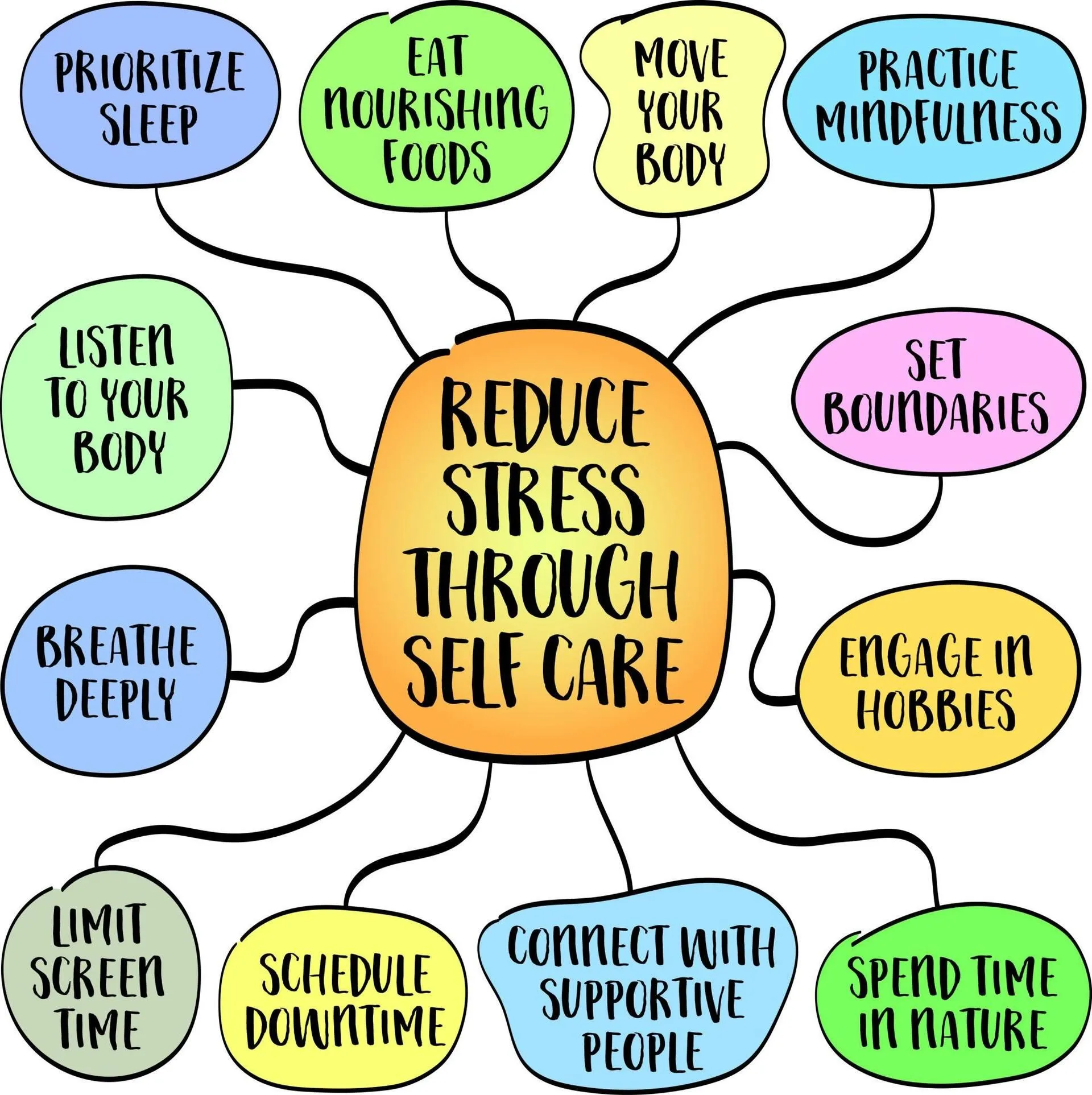
Mindfulness-Based Cognitive Therapy
Mindfulness-Based Cognitive Therapy, or MBCT if you like short names, is pretty popular when it comes to dealing with panic attacks and anxious jitters. Smart folks have found out that MBCT can help lower the chances of panic’s nasty comeback, especially in people wrestling with big-time depression or those occasional low moods (NCBI). This therapy is a mix of mindfulness and cognitive behavioral therapy, which teaches people to pay attention to their thoughts and feelings without jumping to conclusions. This practice can help keep anxiety in check and help you deal with your emotions better.
MBCT involves things like meditation, body scans, and some mental exercises that help you be more mindful. You learn to observe what your mind says, without getting pulled into a negative thought tornado. Incorporating MBCT into daily life helps build a kind of mental armor against stress and anxiety triggers, and helps people know themselves just a bit better.
Identifying and Addressing Triggers
Knowing what sets off a panic attack is like having a map to navigate anxiety-ville. Triggers are different for everyone. What gives one person the jitters might be a breeze for someone else. They could be anything from stress and phobias to health issues or even certain surroundings. Working with a therapist can help in discovering these sneaky culprits and developing ways to keep them at bay.
Everyday triggers like too much stress, lack of sleep, or overdoing coffee can be tamed with some mindfulness magic. By paying attention to their feelings and bodily signals, people can spot when panic is about to crash the party and fend it off before it even starts. This awareness helps you tackle triggers smartly, cutting down the chances of panic attacks.
Long-Term Strategies for Anxiety Reduction
Apart from the on-the-spot tricks, having a long game for anxiety management is key for staying mentally sunny. Folding mindfulness into everyday moments makes for better stress handling and a sense of calm. Practices like meditating, breathing exercises, and chilling out can help you keep your cool, even when everything around you is going bonkers.
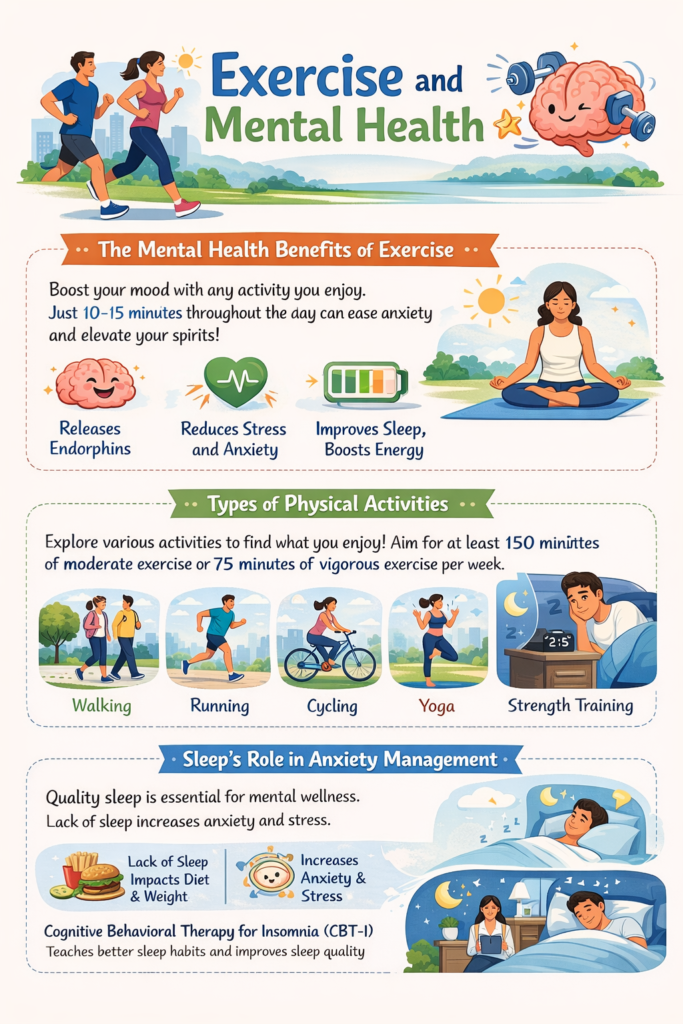
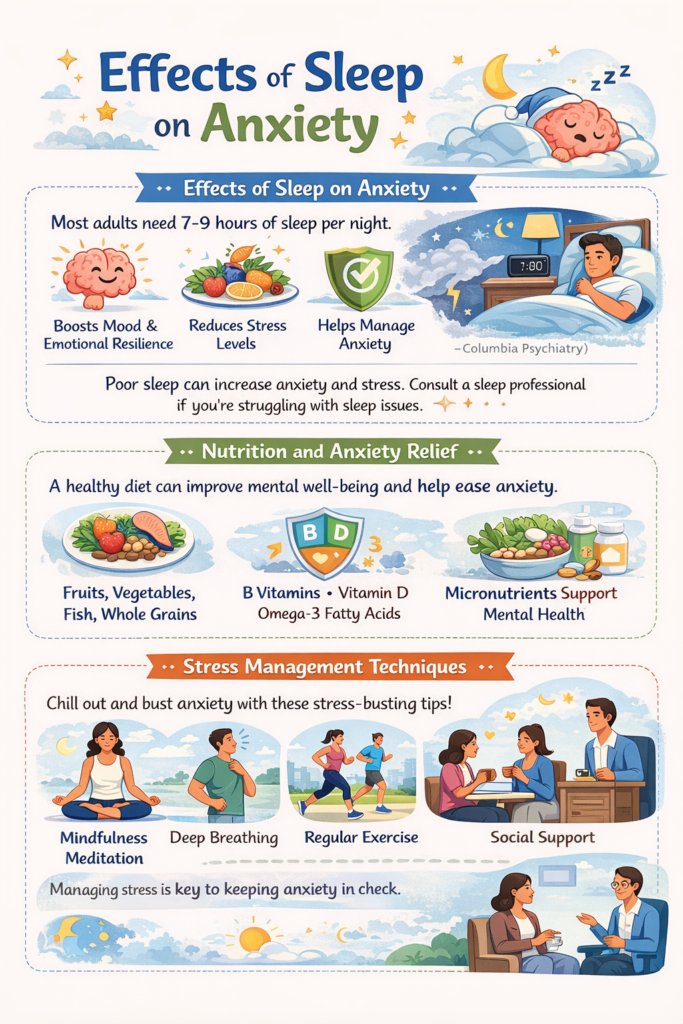
Staying physically fit with regular workouts, good food, and enough shut-eye ties directly to mental health boons. Mixing mindfulness with your healthy habits can make you more resilient to stress and freak-outs. Taking care of your body and mind in this way gradually chips away at anxiety, paving a strong path toward emotional stability.
By welcoming Mindfulness-Based Cognitive Therapy, tackling triggers head-on, and sticking to sustainable anxiety-crushing habits, a person can glide through the pitfalls of panic with more grit and self-awareness. This all-around mindfulness plan doesn’t just help prevent panic episodes but also lights the way to better mental health days ahead.