
 Understanding Panic Attacks
So, let’s be real – panic attacks can be downright scary. One minute you’re fine, the next, you feel like everything’s closing in. It’s not just something you can easily shake off. These intense bouts of panic can hit hard, messing with both your body and your mind. So, yeah, handling them can feel like a battle, but getting a grip on what’s really happening can start to make things a bit more manageable.
Impact of Panic Attacks
When a panic attack strikes, it doesn’t mess around. Your heart’s racing like you’ve run a marathon, breathing goes haywire, you might shake like a leaf, and then there’s that crushing chest discomfort paired with this dreadful feeling of doom. It’s like your body sounds the alarm, even if there’s no actual fire. This rollercoaster ride doesn’t just vanish without leaving a trace. It can toss a wrench in your daily plans, disrupt your connections with folks, and even knock the wind out of your sails when it comes to living life on your terms.
And here’s a wild stat slapped together by the researchers over at NCBI: around 4.7% of people get tangled up in panic disorder at some point in their lives. The fallout from this ain’t just a drop in the bucket – it’s the kind of stuff that screams for a solid game plan tailored to helping folks come out stronger on the other side.
Coping with Panic Attacks
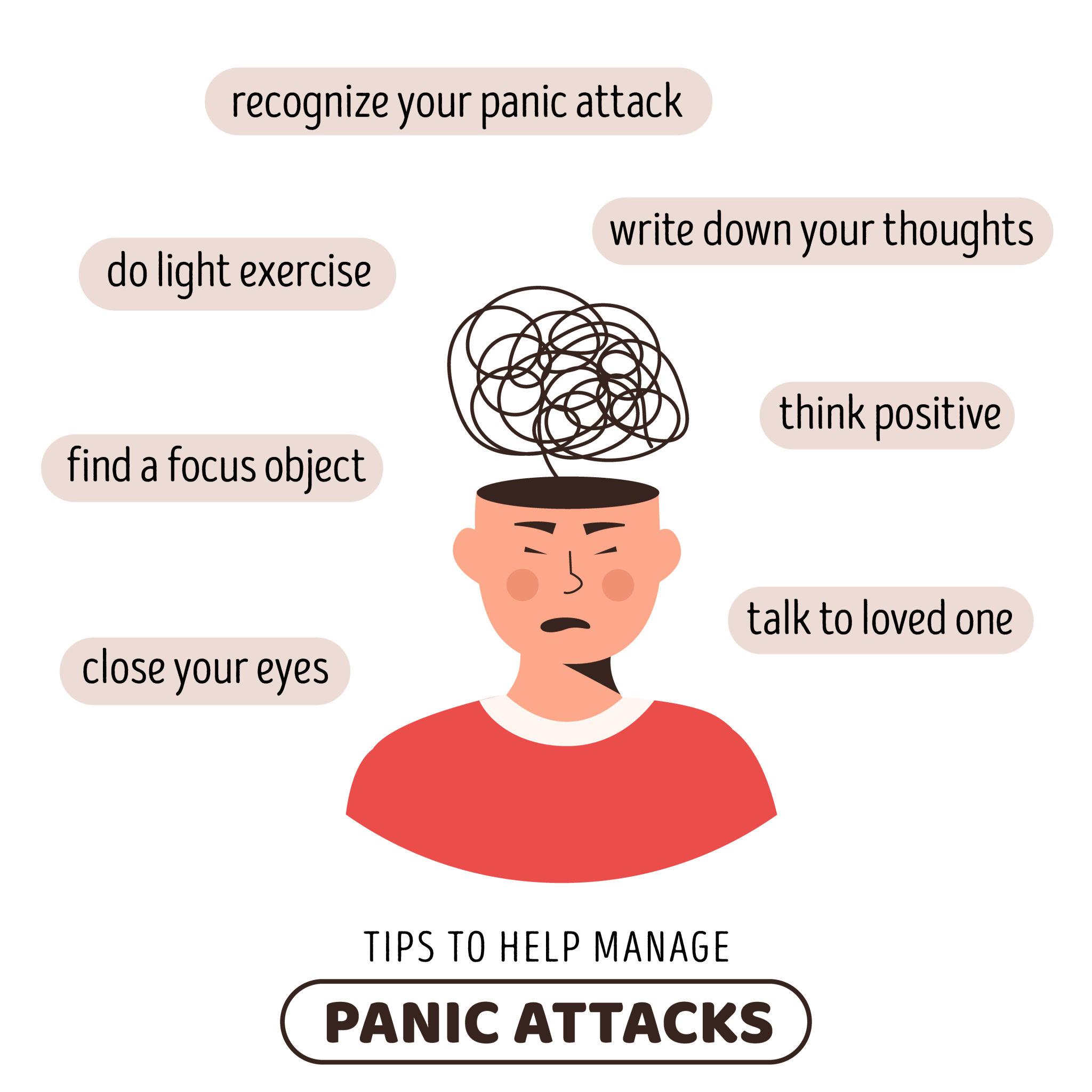
Now, talk about getting creative! Tackling panic isn’t just a “suck it up” scenario. It’s all about loading up your toolbox with some nifty tricks and tips to whittle down those panic episodes. One nifty trick? Visualization. Yeah, close your eyes and let the imagination run wild, but in a chill, therapeutic kind of way. Guided by soothing imagery or zoning into some goal-driven focal points, your mind can be like your safe haven when panic comes knocking.
It turns out, visualization can give you the upper hand over those pesky anxiety and panic vibes. The fine folks at Potomac Psychiatry dug deeper into this, showing there’s a link between how your brain operates and how your body reacts when folks with panic disorder whip out visualization techniques. The brainstem, a sneaky little area in your noggin, starts syncing up better, leading to a calmer heart rate and a more zen you.
So here’s the skinny: when panic thinks it can hijack your day, knowing how your brain and body tick makes a world of difference. Nabbing these visualization tips and channeling them as part of a more extensive anxiety playbook can be your ace in the hole. Turn the tables on panic, keep calm, and hold steady, even when it feels like the world’s spinning out of control.
Visualization Techniques for Anxiety
Tackling the jitters with visualization can be a game-changer in dialing down that nervous energy and preventing panic attacks. Picture it: you close your eyes and drift away to your own mind-designed paradise, a place that says, “Hey, relax.”
Introduction to Visualization
So, here’s the lowdown: Visualization is all about crafting those perfect mental postcards—think beach sunsets or mountain meadows—helping you channel your inner Zen master. Slip it into your daily groove, and you might just dodge that fight-or-flight overreaction when anxiety hits the fan (Verywell Mind).
Benefits of Visualization
Visualization’s a bit like a mental spa visit. It gently guides your brain from being on high alert to chill mode by drawing on comforting visuals. It’s like a shield, keeping those thought loops of fear from spiraling out of control. Master this, and you might just see your mental state calm down, with anxiety losing its grip on your day-to-day life (Verywell Mind).
Here’s why visualization deserves a gold star in anxiety relief:
- Eases you into relaxation and helps mellow your mind
- Fights off those repetitive worry-thoughts
- Takes the edge off stress and unease
Want to personalize your calm-down plan using visualization? Dive into options like guided imagery (where someone walks you through a soothing scene), goal-oriented visuals (focusing on specific outcomes), or compassion meditation (cultivating kindness). Pick what gels with you and weave it into your daily vibe for a heartier mental toolkit against anxiety’s sneaky triggers. Say hello to more peace and a sprinkle of grit when anxiety dares to pop up.
Types of Visualization Techniques
When you’re diving into visualization techniques to tackle panic episodes, it’s vital to find whatever vibes with you personally. It’s all about using your mind’s eye to float to a more chill place—like zoning out in a happy daydream. By focusing on soothing scenes in your head, you can dial down the panic and amp up your peace vibes.
Guided Imagery
Picture this: You’re on a cozy beach, the waves doing their gentle thing, and the sun warming your face. That’s guided imagery for you, and it’s like a mini mental vacay from stress. By crafting these vivid mental landscapes, this type of visualization lets the tension take a back seat, giving your mind a calm zone to hang out in.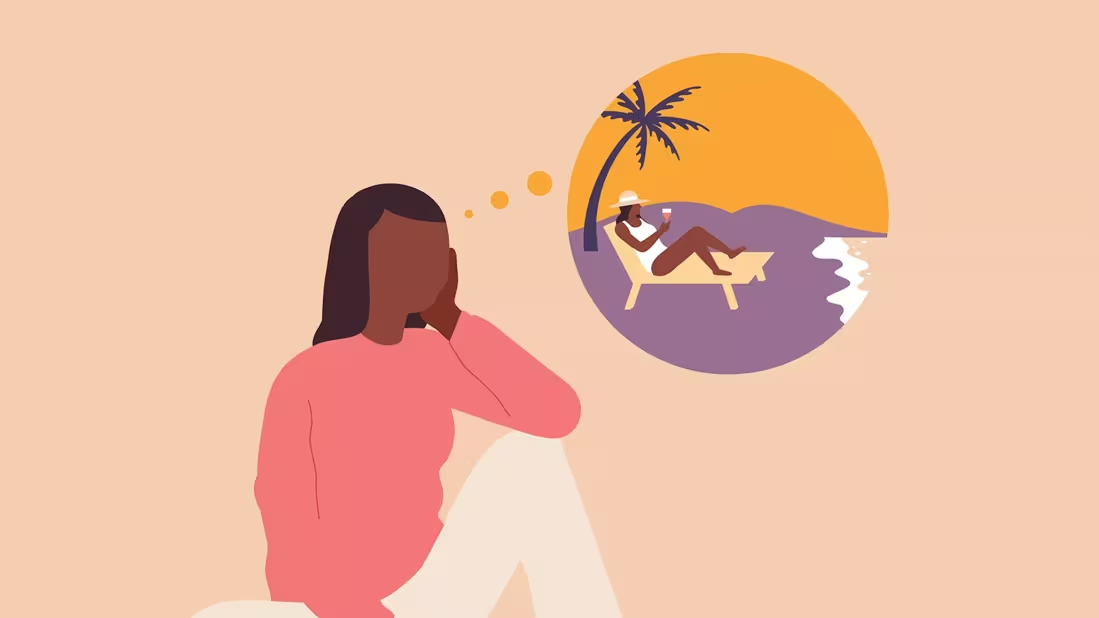
Goal-Oriented Visualization
Now, onto goal-oriented visualization, which is a bit like pep-talking yourself using your imagination. It’s about seeing yourself smash through goals and tasks like a pro, which (believe it or not) can really pump up your confidence. It swaps out fears for “heck yes, I can do this!”—and who doesn’t want a little more of that in their life?
Compassion Meditation
Compassion meditation taps into the good juice, focusing on kindness and empathy, both for you and the people around you. It’s like giving your inner worrywart a hug. This practice helps boost your mood and resilience, replacing anxiety with a gentler, reassuring touch. Spreading love to yourself can be a game-changer when it comes to keeping those panicky sensations in check.
These visualization approaches—guided imagery, goal-getter visualization, and compassion meditation—let you fine-tune your anti-anxiety toolkit to what suits you best. Mix these practices into your daily rituals and maybe stir in some relaxation exercises to tackle panic before it even starts showing up. Your mind deserves that TLC for long-lasting calm.
Practicing Visualization for Anxiety Relief
When I was dealing with panic episodes, I stumbled upon visualization as a lifeline. Blending this mental trickery with some straightforward relaxation methods, I managed to find a pathway to calm in the chaos. Visualization isn’t just about pretty pictures in your head—it’s a full sensory experience I leaned on during stressful times and it gave me a bit more power over my reactions.
Incorporating Visualization Daily
Creating mental getaways that bring comfort is like magic when you’re battling anxiety. Each day, I let myself drift into these imagined worlds where stress bows down. The trick is to really feel it: hear, see, smell, and touch the peace. I usually squeeze in a session just after waking up or right before hitting the hay. This little ritual has offered a steadfast anchor to my mental well-being.
Enhancing Visualization with Relaxation Techniques
To pack an extra punch, I team up visualization with other calming tactics. I’ve tried breathing exercises that remind me of blowing up balloons, yoga that ties me into a pretzel, muscle relaxation that feels like melting butter, and meditation that quiets my racing thoughts. They all work wonders alongside visualization, forming a tag team against anxiety’s physical and mental chokehold.
Sometimes, seeking a nudge from healthcare experts has helped in fine-tuning these practices to match my needs. Regularly practicing visualization, even the spine-tingling compassion meditation variety, has given me a lifeline when anxiety pops up uninvited. Over time, this combo has built my resilience and confidence, turning my once chaotic ride into a more manageable stroll.
Mindfulness and Anxiety Relief
Battling panic episodes, I’ve stumbled upon mindfulness as my secret weapon against anxiety. It’s not just a way to catch my breath during those overwhelming moments; it’s my guide to long-term peace and balance.
The Good Stuff About Mindfulness Meditation
Turns out, loads of research backs up how fantastic mindfulness meditation is when you’re trying to wrestle anxiety. For me, just being present—embracing the here and now—has turbocharged my sense of well-being and tackled those pesky anxious thoughts head-on. Plus, it’s been a sanity saver when my emotions start running wild, helping me regain clarity and calm when freak-outs strike.
There’s also some brain-boosting perks. Mindfulness has been a real game-changer for my thinking skills, making me sharper and more mentally agile. Since weaving mindfulness into my daily flow, I’ve found handling stress way easier. It’s like my brain’s got a new, chill autopilot mode.
Getting Chill with Mindfulness-Based Stress Reduction
One standout hero in my anxiety-busting toolkit is the Mindfulness-Based Stress Reduction (MBSR) program. This isn’t just some feel-good fad—it’s science-sanctioned awesomeness that’s helped countless folks dial down anxiety, depression, and stress from all sorts of backgrounds.
Jumping into MBSR showed me how to keep my cool when anxiety feels like a storm brewing inside. These sessions armed me with strategies to handle anxiety flare-ups with more control and compassion toward myself. Engaging in stress-slaying mindfulness routines, I’ve found there’s an inner calm within even when panic threatens to take the driver’s seat.
With mindfulness meditation and MBSR backing me up, I’ve been on a pretty cool ride to anxiety relief and overall emotional health. Adopting these practices has laid down a sturdy base of resilience and peace, helping me to handle the twists and turns of living with panic attacks, with a lot more grace.
Panic Attacks and Specific Populations
When it comes to dealing with panic attacks in certain groups, I know it requires a bit of extra care and understanding. It’s about grasping the specific hurdles they face and coming up with strategies that really help them manage. We can create a supportive space for those going through these tough moments.
Impacts on Different Groups
It turns out that panic disorders show up more in some demographics than others, as seen in a study which found a lifetime prevalence of 4.7% (NCBI). That number illustrates how deeply panic attacks can affect people’s lives. Knowing how these attacks impact folks of different ages, genders, and income levels is key to offering help that makes a real difference.
Demographic Considerations:
- Age Groups: Panic attacks don’t quite look the same in teenagers as they do in older folks. So, we gotta tweak our approach for each age group, focusing on their unique stressors and ways to cope.
- Gender Differences: Research highlights that panic attacks vary between men and women. Acknowledging these differences is vital to crafting personalized care.
- Economic Factors: Money problems, which two in five Americans stress over, fuel anxiety (Potomac Psychiatry). Making sure support and resources are available to those strapped for cash is critical in dealing with panic episodes.
Strategies for Managing Panic Attacks
Finding strong ways to handle and cut down on panic attacks can bring long-lasting relief and a better life quality. Visualization techniques, if practiced daily, can help folks keep calm and tough against anxiety triggers.
Specific Interventions:
- Culturally Aware Practices: Being mindful of someone’s cultural background when they experience panic attacks ensures they get the support that’s right for them.
- Focused Therapy Options: Using targeted therapies like cognitive-behavioral therapy (CBT) that fit well with the needs of different groups helps boost coping skills and overall resilience.
Support Networks:
- Community Bonds: Urging people to get involved with support groups and community services can help them feel connected and understood, which is vital for emotional balance.
- Family and Caregiver Participation: Bringing family members and caregivers into the mix can strengthen the support system, offering better outcomes for those struggling with panic attacks.
Collaboratively understanding how panic attacks uniquely affect certain groups and employing specific strategies can help create a warm, inclusive space. Together, we can support individuals on their path to managing and overcoming panic episodes.